
Reviewed · MUSEUMS
Guided tour of Venice wonders including Correr Museum & Empress Sisi Apartments
Venice makes more sense fast with the right plan. This guided walk strings together the city’s biggest squares, standout viewpoints, and two major culture stops, so you leave with context, not just photos. I especially liked how it helps you avoid navigating solo while still making each turning point feel meaningful.
I love the mix of open squares and lagoon views, starting right near St. Mark’s and moving into places like Fondamenta Nove. I also love the Museo Correr portion of the day, where you get a long sweep of Venetian life, including navigation-related objects and the Doges rooms. When I see a guide bring these stops to life, it usually depends on the person, and in one past group the guide was Romy, who was praised for tying each location to interesting background.
One thing to consider is logistics: there’s a dress code for churches and selected museums (no shorts or sleeveless tops, and knees and shoulders must be covered). Add the requirement for a Covid-19 vaccination card or Green Pass to enter museums and churches, and you will want to check your plans before you go.
In This Review
- Key takeaways before you walk into Venice
- A smart route through Venice’s big squares and lagoon views
- From St. Mark’s Square to Campo Santa Maria Formosa
- Fondamenta Nove: the lagoon view that changes your perspective
- Campo Santi Giovanni e Paolo: a monumental stop with three big anchors
- Museo Correr: navigation tools, costumes, and the Doges rooms
- Empress Sisi apartments: history meets European royal imagination
- Price and value for a 4-hour Venice highlights experience
- Who should book this tour, and who should skip it
- Should you book this Venice Wonders tour?
- FAQ
- How long is the tour?
- What is included in the price?
- Are food and drinks included?
- Where does the tour start and end?
- What dress code is required?
- Do I need proof of vaccination or Green Pass?
Key takeaways before you walk into Venice
- A guided route that reduces wayfinding stress, so you can focus on what you see
- Fondamenta Nove gives you a strong lagoon viewpoint during the walk
- Museo Correr covers about 500 years through art and everyday objects
- Doges-focused rooms help you understand how Venice ruled itself
- Empress Sisi apartments are part of the museum experience
- Tickets and a local guide are included, so you are not hunting entrances mid-tour
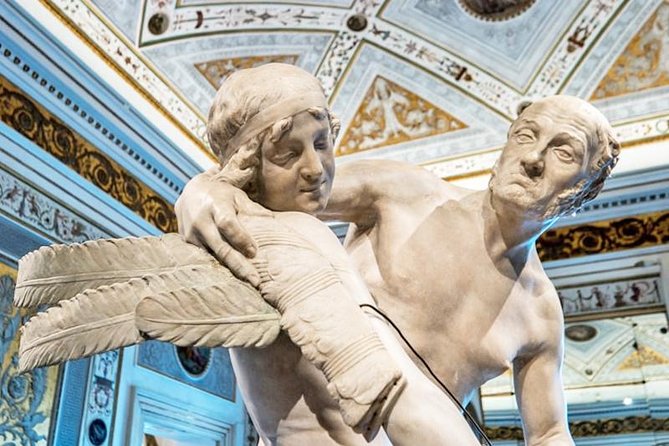
Other Venetian collections behind the palace doors:


A smart route through Venice’s big squares and lagoon views
If you only rely on wandering, Venice can feel like a dream you cannot fully translate. The best tours fix that by giving you a route and a storyline. This one does that by mixing landmark squares, architectural backdrops, and museum time, all in about four hours.
For me, the value is not just that you see famous places. You also get the “why” behind them, which matters in Venice because everything looks beautiful, but not everything is important in the same way. You will also get help moving from place to place without constantly checking your phone, which is a real quality-of-life upgrade in tight streets.
From St. Mark’s Square to Campo Santa Maria Formosa
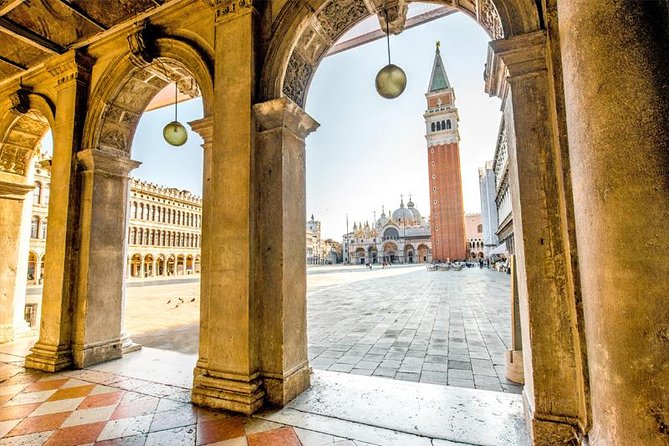
You start in St. Mark’s Square, then head into one of Venice’s widest campi, Campo Santa Maria Formosa. This is the kind of stop that sets the tone: you get scale right away. Wide squares in Venice do not just look good, they act like outdoor “rooms” where the city’s civic and religious life shows up.
At Campo Santa Maria Formosa, you are surrounded by the Santa Maria Formosa Church and ancient buildings. That combination is useful because it shows you what Venice built to last, and how religious architecture anchors the neighborhood. It is a brief stop, but it is the right kind of breather, especially if you want a tour that does not feel like a sprint.
What I like about starting here is that it helps you read the rest of the day. After this, later stops make more sense because you understand how the big public spaces connect to the city’s institutions.
Fondamenta Nove: the lagoon view that changes your perspective
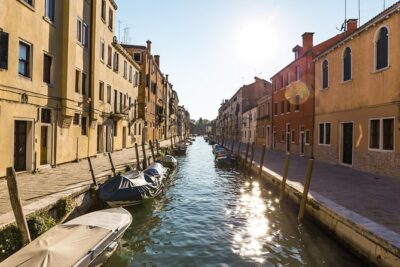
Next you walk to Fondamenta Nove, a long promenade where you get an amazing view over the Venetian lagoon. This is one of those moments where Venice stops being only buildings and becomes geography. From the water’s edge, you understand why the city’s history is so tied to navigation, trade, and control of sea routes.
The practical benefit is also timing. The stop is about 30 minutes, which is enough to enjoy the view without turning your tour into a long outdoor slog. If you have been walking all over the center, this segment can feel like a reset button.
One caution: promenades can be windy, especially near open water. Bring something light that you can layer, even in milder months, so the view stays fun instead of chilly.
A few more Venice outings worth comparing
- Venice: La Fenice Opera House Entry Ticket with Audio Guide
★ 4.6 · 11,742 reviews - Murano & Burano: Boat Tour with Guide & Glass Factory Visit
★ 4.3 · 10,716 reviews - Murano & Burano Islands Guided Small-Group Tour by Private Boat
★ 4.5 · 7,580 reviews - Murano, Burano, Torcello: Tour with Guide & Glass Factory
★ 4.4 · 6,187 reviews - Murano & Burano Guided Tour by Private Boat with Glassmaking
★ 4.7 · 5,658 reviews
Campo Santi Giovanni e Paolo: a monumental stop with three big anchors
Your next major square is Campo Santi Giovanni e Paolo, a monumental area that pulls together several major attractions. Instead of ticking off one church and moving on, this stop gives you a little cluster effect. You can see how different institutions sit side by side, and how they shape what people did day to day.
Here you encounter a concentration of major sights:
- the Church
- Scuola Grande di San Marco
- the Majestic Hospital
- the Church of Santi Apostoli with a notable Tiepolo painting, described as the eyes of St Lucia
Even with limited time, that list tells you what this area represents. Venice did not separate religion, civic pride, and charity the way some cities do. In a single square, you can get a sense of social structure, artistic patronage, and public responsibility.
The time at this stop is around 30 minutes. That is enough to take in the facades and orient yourself, but not enough to be slow and linger everywhere. If you love photographing churches and doors, keep your pace steady or you may run behind the group.
Museo Correr: navigation tools, costumes, and the Doges rooms
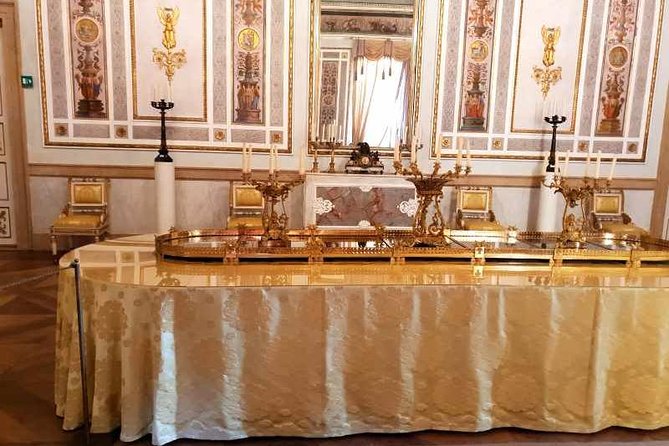
Then comes the part many people will remember: Museo Correr. This is where the tour shifts from streets to collections, and it is also where the day becomes more than sightseeing.
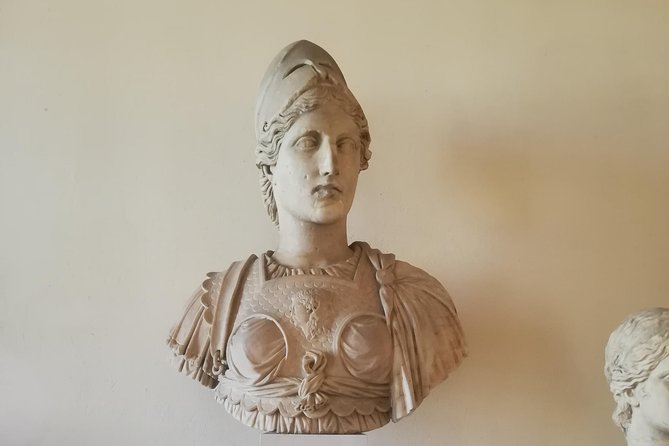
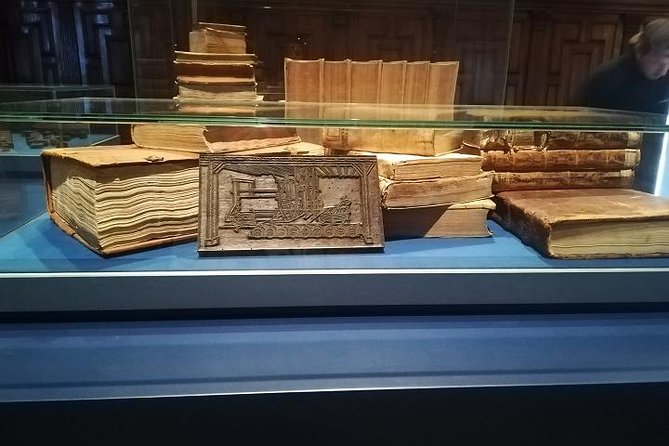
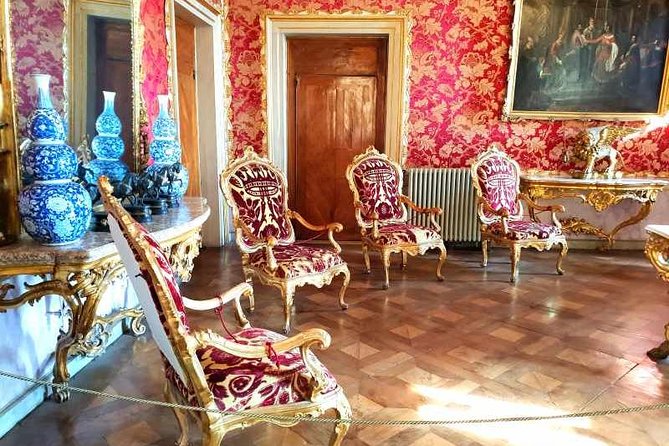
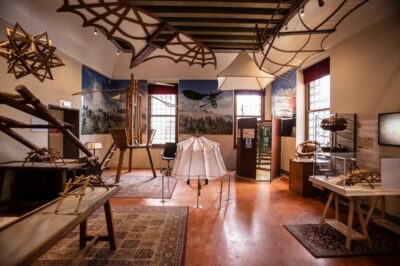
You are looking at an array of artwork and objects that reflect Venetian art and heritage, with a special emphasis on how Venetians connected to the sea. The museum includes collections described as navigation tools, plus costumes and other items that help explain life in a maritime power. If you want to understand why Venice became Venice, this is where you start making the connections.
What I like about this section is that it does not treat history like a set of dates. It uses objects. Seeing navigation-related pieces, for example, helps you grasp that Venice’s power was not only about ships in the distance. It was also about instruments, know-how, and expertise.
You also get attention to the city’s visual memory through landscape rooms with paintings of old city views, reproduced by collectors over time. That matters because it shows you how Venetians (and later admirers) looked at the city and preserved it.
Finally, the museum visit leads you to the part dedicated to the Doges, the ancient rulers of Venice. That shift from general life and art to governance is a smart way to end museum time, because it ties the cultural objects to political reality. You leave with a clearer picture of who held power and how that power shaped the city you are walking through.
Tip for making the most of museum time: keep your attention on the big themes your guide highlights. Without that, it is easy to get lost in rooms full of detail.
Empress Sisi apartments: history meets European royal imagination
Your tour also includes access to portions connected with Empress Sisi’s apartments. Even though this is a shorter mention compared with the broader museum story, it adds a different flavor to the day.
Venice has layers, and one of the most interesting ways to experience those layers is to see how later eras reinterpreted the city. Royal settings like Sisi’s apartments help you shift from the maritime republic world of earlier centuries to a more modern, European court perspective. It is a reminder that Venice stayed important long after its sea empire peaked, because it remained a stage for glamour, power, and culture.
Because the tour keeps the day moving, you should treat this portion as a highlight stop, not as a slow museum marathon. If you are the type who wants to read every label, you might want to follow up later with independent time at the museum so you can linger.
Price and value for a 4-hour Venice highlights experience
At $405.51 per person, this is not a budget walking tour. But it can still be good value if you weigh what you get: a local guide, admission tickets, and a structured route that saves time and decision-making in a city where that time adds up quickly.
The biggest value levers for me are:
- You pay for guidance, not just walking.
- You get tickets included, which reduces friction.
- You spend about four hours covering multiple stops, instead of stitching together separate visits.
Food is not included, so you will need to plan a meal before or after. That is normal for a half-day-style tour, but it is worth noting because Venice restaurants can be pricey, and you will want energy if you plan more walking afterward.
If you are traveling as a group that values context and hates guesswork, the structure becomes worth paying for. If you only want photos and are perfectly comfortable navigating on your own, you might feel the cost more sharply.
Who should book this tour, and who should skip it
This fits best if you want to see more than one major side of Venice in a short window. It is a smart choice if you are:
- short on time and want a guided route that covers squares plus museum depth
- interested in Venice’s sea power themes, not just views
- the type who enjoys museum rooms that connect art, objects, and governance
It is also ideal if you dislike the “find the entrance, stand in line, then figure it out” rhythm. The tour’s promise is basically: get your bearings fast, and let a guide do the stitching.
Consider skipping or double-checking if you:
- struggle with walking pace, since you will be out moving between several stops
- cannot meet the dress code for worship sites and selected museums
- do not have the required Covid-19 documentation for museum and church entry
Should you book this Venice Wonders tour?
I would book it if your priority is understanding Venice, not just consuming it. The combination of major squares, a lagoon viewpoint, and Museo Correr gives you a layered day without dragging on. The Doges focus and the mention of Empress Sisi’s apartments also help the museum time feel like more than random rooms.
I would hesitate if you are determined to browse slowly, read everything line by line, or you are worried about dressing appropriately for museums and churches. In that case, you might prefer a self-guided approach and spend the day on your own tempo.
If you want a short, well-structured Venice experience with context built in, this one is a solid choice.
FAQ
How long is the tour?
The tour is approximately 4 hours.
What is included in the price?
The price includes a local guide and admission tickets.
Are food and drinks included?
No. Food and drinks, including lunch, are not included.
Where does the tour start and end?
The tour starts at St. Mark’s Square, Piazza San Marco, 30124 Venezia VE, Italy, and it ends back at the meeting point.
What dress code is required?
You must follow a dress code for places of worship and selected museums: no shorts or sleeveless tops, and knees and shoulders must be covered for both men and women.
Do I need proof of vaccination or Green Pass?
Yes. A Covid-19 vaccination card or Green Pass is mandatory to enter museums and churches.
Lately added around Venice



Museums, compared.
Venice’s Best: Basilica, Doge’s Palace, Gondola & History Gallery
Read our review →
Vivaldi’s Four Seasons Concert & Music Museum Visit
Read our review →
Charming Gondola Ride on the Grand Canal & Gondola Gallery™
Read our review →
City Pass with Museums including Doge’s Palace
Read our review →
Bell Tower & St Mark’s Square History Gallery Ticket
Read our review →
Venice Museum Pass & Doge’s Palace Entrance Ticket
Read our review →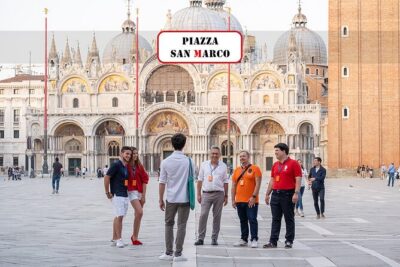
Basilica, Doge’s Palace, History Gallery & Bell Tower Option
Read our review →Browse the lists this tour appears in