
Reviewed · MURANO & BURANO BOAT TRIPS
Lio Piccolo: Flamingos & Birdwatching Bike Tour in the Lagoon
Venice already has plenty of birds, but this route is different. I love how this 5-hour bike tour takes you out to the edge of the Venetian Lagoon for real birdwatching, guided in English by Valerio Coppo and a nature interpretive guide. The focus stays practical: ride, stop, look, learn.
You’ll like the small group size capped at just eight for a calmer experience, and you’ll love the chance to see flamingos right in the lagoon instead of treating them like an offbeat day trip.
The only drawback is that birding is never guaranteed, and sightings can depend on season and conditions. If you want to identify waders and herons properly, I suggest bringing binoculars, since even in good spotting moments, details are much easier that way.
In This Review
- Key Points You Should Know Before You Go
- From Fondamente Nove to Treporti, a Lagoon Start That Feels Like a Reset
- Picking Your Bike in Treporti (City, Tandem, or E-Bike for Extra Help)
- Lio Piccolo Flamingos: Seeing a Winter Colony in the Venetian Lagoon
- Beyond Pink Birds, You Are Actually Birdwatching for Waders and Herons
- Via delle Mesole: Cycling Through Mudflats, Canals, and Fishing Valleys
- Al Notturno: Where Land Meets Fresh Water and Salt Water
- What Makes This Tour Worth the Money (Even if the Lagoon Is Sometimes Quiet)
- Price Breakdown, Plus the Costs You Must Plan For
- Timing, Weather, and Season: How to Set Your Expectations
- What to Bring So You Don’t Miss the Small Stuff
- Who This Bike Tour Fits Best
- Should You Book Lio Piccolo Flamingos and Birdwatching by Bike?
- FAQ
- How long is the Lio Piccolo flamingos and birdwatching bike tour?
- What is included in the price?
- What costs extra during the tour?
- Where does the tour meet in Venice?
- How many people are on the tour?
- What happens if the weather is bad?
Key Points You Should Know Before You Go
- Small group birding (capped at eight) keeps the stops relaxed and the viewing more focused.
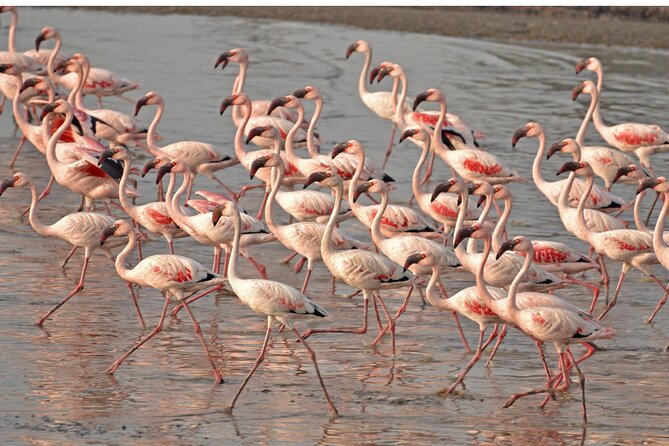
- Flamingos are a big deal here: the lagoon hosts thousands during winter, and some stay year-round.
- Your bike choices matter: city bikes, tandems, and e-bikes are available, with e-bike rental costing extra.
- You bike through wetland scenery with sand banks, mudflats, canals, and fishing valleys.
- A nature interpretive guide adds context so you know what you are looking at, not just spotting shapes.
- Good weather helps a lot since this experience depends on conditions for the route and viewing.
Other boats out to Murano and Burano:

From Fondamente Nove to Treporti, a Lagoon Start That Feels Like a Reset
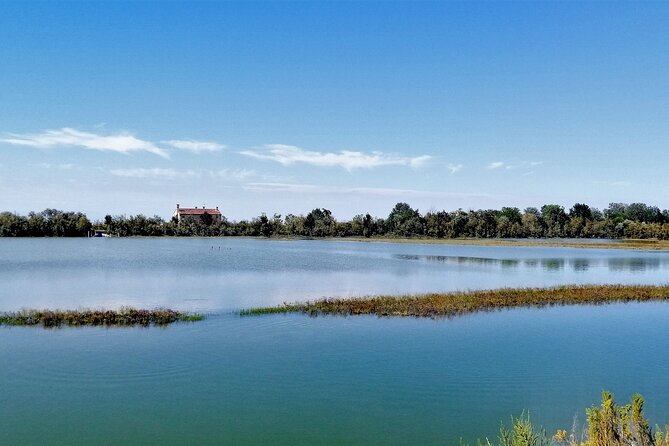
The tour begins at Fondamente Nove, where you gather and then travel by water bus up into the northern Venetian Lagoon area toward Treporti. It is not just a transfer. You are using that ride to shift your mindset from city crowds to water, reeds, and breathing space.
That first stretch matters more than it sounds. Venice is beautiful, but it can be loud and fast. Once you are out by the lagoon islands, the whole rhythm changes. You start noticing light on water, the edges where land meets shallows, and those subtle changes that tell you where wading birds will feed.
Picking Your Bike in Treporti (City, Tandem, or E-Bike for Extra Help)
At Treporti, the bikes are waiting. This is where the tour becomes “you” friendly. You can choose a city bike, a tandem, or an e-bike if you want an easier ride. The e-bike rental costs about €20, and it is supposed to be booked and ready for you.
Here is how I think about the bike choice. If you are comfortable cycling at an easy pace and you like moving under your own power, a city bike is plenty. If you want to spend your energy scanning the water and not thinking about pedaling, the e-bike option is worth considering.
Also, you are not doing long, marathon distances here. The value of the bike choice is less about athletic achievement and more about keeping your attention on the birds and views.
Lio Piccolo Flamingos: Seeing a Winter Colony in the Venetian Lagoon
Your first real bird stop is Lio Piccolo, where the highlight is flamingos. It is easy to assume flamingos are only a distant, postcard place. Here, they have been present for over a decade, and the lagoon hosts more than 8,000 flamingos in winter, with many staying for extended periods.
What makes this stop feel special is the habitat description. Flamingos move with confidence in shallow areas and valli da pesca, which are like fish-farm sections in the lagoon. They filter food with their specialized beaks in muddy, shallow water. So you are not just spotting pink birds on a distant shoreline. You are seeing them in the setting that makes their feeding possible.
Practical note: flamingos often look calm before you realize they are actually busy. You may see individuals standing still, then taking a few deliberate steps, then restarting. The longer you watch, the more “real” the behavior becomes.
The same hours, spent on the water instead:
- Venice: Doge’s Palace Reserved Entry Ticket
★ 4.6 · 42,716 reviews - Venice: Grand Canal Gondola Ride with App Commentary
★ 4.1 · 23,020 reviews - Venice: Grand Canal Gondola Experience with Live Commentary™
★ 4.2 · 16,504 reviews - Venice: La Fenice Opera House Entry Ticket with Audio Guide
★ 4.6 · 11,742 reviews - Murano, Burano and Torcello Half-Day Sightseeing Tour
★ 3.5 · 7,928 reviews
Beyond Pink Birds, You Are Actually Birdwatching for Waders and Herons
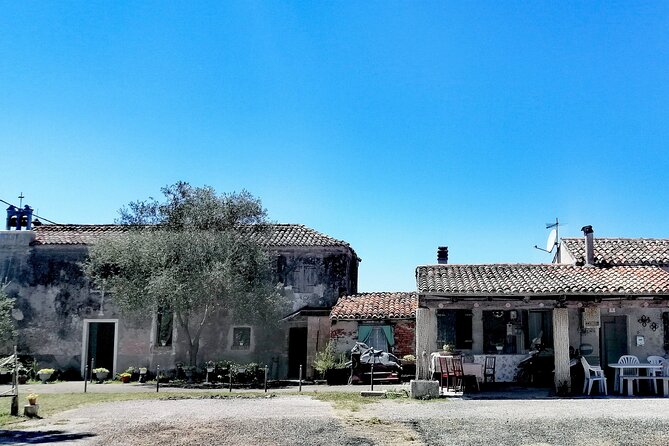
The tour does not treat flamingos as the only story. At a second Lio Piccolo stop, you get a quick hit of the broader bird diversity. The lagoon is described as home to around 300 species of birds, with different groups tied to tides, marshy ground, and the sea.
This is where the interpretive guide earns their keep. Instead of you guessing, you learn what the landscape features are doing for wildlife. For example, the itinerary specifically points out ducks, herons, seagulls, waders, and shorebirds. It even mentions cormorants arriving from northern parts of Europe, including Poland, Sweden, and Denmark.
If you want examples of the kinds of specific birds you might hear named during a great run, one strong spotting day included sightings such as Seidenreiher (little egret), Graureiher (grey heron), Neuntöter (red-backed shrike), Säbelschnäbler (avocet), and several waders and shorebirds like Grünschenkel and Rotschenkel. That kind of list is why a guide helps. They can help you narrow down what you are seeing, even when birds are half hidden in distance or reeds.
Even if it is not peak season, the tour is built around places where birds keep coming back. One big reason this is a valuable half-day is that you are not hunting in random spots. You are biking between wetland “opportunities” where birds feed and rest.
Via delle Mesole: Cycling Through Mudflats, Canals, and Fishing Valleys
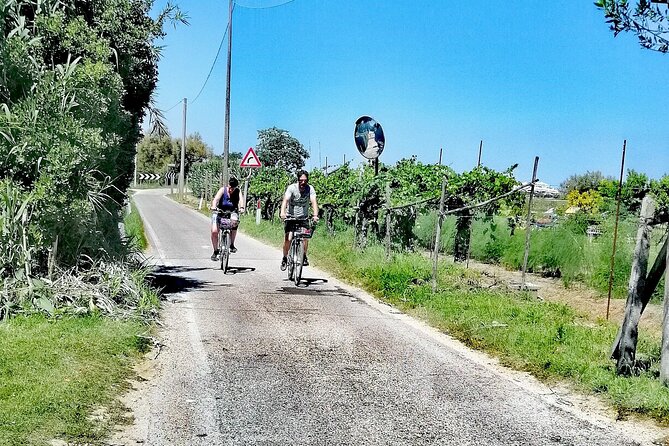
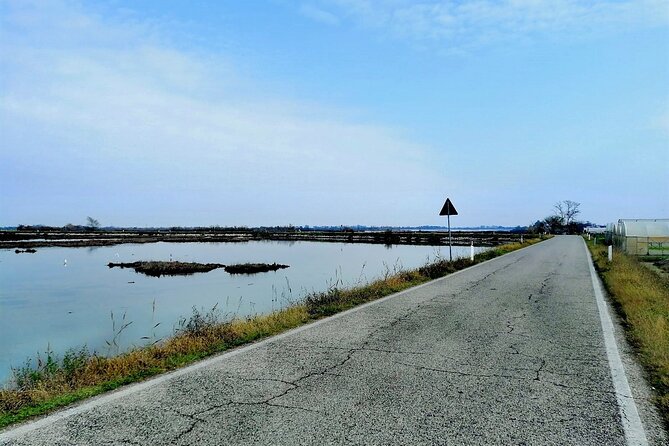
Between bird stops, you ride along Via delle Mesole, and this is one of the most scenic parts of the tour in a practical, not just pretty, way. The route is framed by both Adriatic waters and lagoon waters. That matters because the birds you see are tied to those edges.
You will pass by a mix of features: sand dunes, vegetable patches, canals, sand banks, mudflats, and fishing valleys. Those terms sound technical, but they translate into something simple. Mudflats and shallows pull in waders. Dunes and open ground can attract different species as they forage. Fishing valleys create predictable food opportunities.
Also, you get a clear view of the broader lagoon setting that surrounds Venice. The scenery is part of the teaching. Once you learn what a mudflat or sand bank signals, you start looking differently the moment you spot a feeding group.
Al Notturno: Where Land Meets Fresh Water and Salt Water
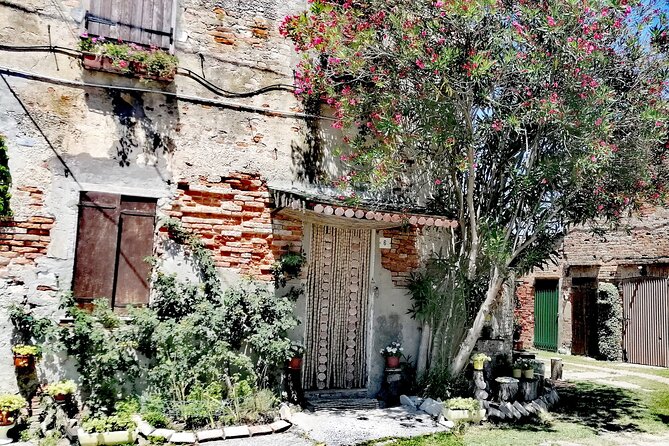
The final stop is Al Notturno, and this one is more interpretive than checklist-based. The idea is that the lagoon area is shaped by three elements coexisting: land, fresh water, and salt water. That mix affects what grows, what feeds, and where birds gather.
You ride under the lead of the nature and interpretive guide, who explains the history and the natural peculiarities of the area you cross. The exact story can vary with what you are likely to spot that day, but the purpose stays consistent: you should leave understanding why the lagoon behaves the way it does.
In other words, you are not just collecting bird names. You are learning how the environment creates those bird moments.
What Makes This Tour Worth the Money (Even if the Lagoon Is Sometimes Quiet)
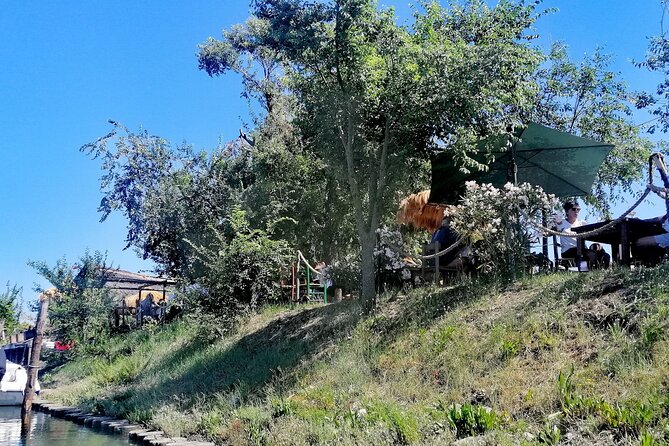
At $203.07 per person for about 5 hours, the ticket price is not cheap on paper. The value comes from two things that matter for this kind of experience: access and attention.
First, the tour includes bike rental plus a tour leader and nature interpretive guide. When you are out in wetland terrain, a guide is not a luxury. It is how you get from seeing blobs in the distance to recognizing feeding behavior and species groups.
Second, the group size is intentionally small, with numbers capped at eight. That is a big deal in birdwatching. If the group were large, people would block sightlines, you would rush between stops, and it would become a bus ride with bikes. Here, you can actually slow down.
There is also a genuine “escape the city” angle. You are not just ticking off Venice landmarks. You are leaving the built-up feeling of the city and spending the half-day in a watery, living system right next to it.
Price Breakdown, Plus the Costs You Must Plan For
Here is what the tour data says is included and what is not, in plain language.
Included:
- Bike rental
- Tour leader and nature interpretive guide
Not included:
- Water bus ticket to Punta Sabbioni, with daily passes available if you ask (around €9.50 per person)
- Gratuities, which you decide based on satisfaction
- E-bike rental is about €20 if you choose it
One smart budgeting move: decide on your bike type before you arrive. If you are undecided, consider how much you want the ride to support your birdwatching focus. An e-bike can make it easier to keep your attention outward, not downward at your legs.
Timing, Weather, and Season: How to Set Your Expectations
This experience requires good weather. If conditions are poor, you should expect a change of date or a full refund. Birding depends on conditions too, so even on a solid day, the species mix can vary.
A good real-world takeaway from past outings is that you can still have an enjoyable bird list even when the timing is not perfect. The lagoon supports a lot year-round, and the guide helps you make sense of what you are seeing rather than treating it like a lottery.
What to Bring So You Don’t Miss the Small Stuff
The tour gives you guide expertise and a cycling route. What it does not automatically give you is the power to identify birds at distance. One of the most useful tips from strong sightings is simple: bring binoculars.
Beyond that, pack like you are spending a few hours outside near water:
- sun protection and water
- comfortable clothes for cycling
- something light for wind, especially by open lagoon spaces
- a camera or phone with enough storage if you like documenting behavior, not just poses
If you are the type who likes to compare what you see with a bird guide afterward, bring a small notebook. Names like waders and herons can blend until you have time to sort them.
Who This Bike Tour Fits Best
This is a great fit if you:
- love birdwatching but want it to feel guided, not random
- want a half-day nature break without leaving the Venice area
- prefer a small group pace and fewer people blocking your view
- are comfortable cycling at an easy level
It is also a strong choice for people who want a quieter Venice day. You get wetlands, wildlife, and real movement, not just photos in crowded streets.
Should You Book Lio Piccolo Flamingos and Birdwatching by Bike?
If your ideal Venice day includes birds, wetlands, and a chance to understand the lagoon instead of just looking at it, I think you should book. The small group size, the specific Lio Piccolo flamingo focus, and the interpretive guidance make this more than a scenic ride.
I would only hesitate if:
- you are not prepared for weather-dependent outdoor time
- you do not want to bring binoculars and you rely on identification at distance
Otherwise, this is a smart value choice for a half-day that feels like it belongs to Venice’s natural side, not the tourist map version.
FAQ
How long is the Lio Piccolo flamingos and birdwatching bike tour?
The tour runs for about 5 hours.
What is included in the price?
Bike rental is included, along with a tour leader and a nature and interpretive guide.
What costs extra during the tour?
You will need to budget for the water bus ticket to Punta Sabbioni, with daily passes available for about €9.50 per person. If you choose an e-bike, it costs around €20. Gratuities are at your discretion.
Where does the tour meet in Venice?
You meet at Fondamente Nove in Venice.
How many people are on the tour?
The experience is capped at just eight travelers for a more natural experience, and it has a maximum of 10 travelers.
What happens if the weather is bad?
This tour requires good weather. If it is canceled due to poor weather, you will be offered a different date or a full refund.
Lately added around Venice

Murano & Burano Boat Trips, compared.
Boat Trip: Glimpse of Murano, Torcello & Burano Islands
Read our review →
Murano & Burano: Boat Tour with Guide & Glass Factory Visit
Read our review →
Burano, Torcello & Murano Boat Tour w/Glassblowing
Read our review →
Murano, Burano and Torcello Half-Day Sightseeing Tour
Read our review →
Murano & Burano Islands Guided Small-Group Tour by Private Boat
Read our review →
Murano & Burano Panoramic Boat Tour w/ Glassblowing
Read our review →
Murano, Burano, Torcello: Tour with Guide & Glass Factory
Read our review →
Murano & Burano Guided Tour by Private Boat with Glassmaking
Read our review →Browse the lists this tour appears in