Reviewed · VENICE
Live Venice as a local departing from Padua
Venice can feel oddly quiet if you start right. This guided walk strings together the calmer lanes between Cannaregio and the Jewish Ghetto, then rolls you into the big-name stops like Rialto and San Marco without you having to play navigator all day.
I like two things most. First, the pace and routing give you time in the side streets, with shop windows and neighborhood life along the way. Second, the food stop is built into the plan, so you are not stuck eating a sad sandwich while everyone else hunts for a place to sit.
One drawback to plan around: you are on your feet for most of a 7.5-hour day, and church visits require covered shoulders and legs. Add the fact that it depends on good weather, and you should pack for a bit of walking and occasional changes.
In This Review
- Key points you will actually care about
- Padua to Venice by train, with a day that stays on rails
- Cannaregio first, where Venice feels local and quieter
- Jewish Ghetto Ebraico: streets, shops, and a meaningful pause
- A coffee break that feels like it belongs in Venice
- San Polo: the relaxed Venice zone, plus Campo San Polo’s pull
- Rialto Bridge and Rialto Market: the icon plus the working scene
- A lesser-known Grand Canal viewpoint: the angle you cannot DIY easily
- San Marco square and the Bridge of Sighs zone
- San Marco Basilica: the visit is close, but the entrance is not included
- Bacaro lunch and cicchetti: snack lunch done the Venetian way
- Ferry boat back toward the station, then you are done
- Price and value: what $150.49 buys you on a Venice day from Padua
- Who this tour suits best, and who should think twice
- Should you book Live Venice as a local departing from Padua?
- FAQ
- Where is the meeting point in Padua?
- What time does the tour start?
- How long is the tour?
- Is the train transfer between Padua and Venice included?
- How big is the group?
- Do I need to walk a lot?
- Is the Basilica of San Marco included?
- What clothing is required for church visits?
- Is there an access fee for day visitors to Venice?
- Can I cancel for free?
Key points you will actually care about
- Small group size (max 10) for a more controlled, human-scale walk
- Round-trip train from Padua is included, so you do not waste your Venice time figuring out schedules
- Jewish Ghetto to Cannaregio to Rialto to San Marco in one day, with fewer aimless detours
- Rialto Bridge plus a Rialto Market stop so you see both the icon and the working market area
- Ferry boat ride included to get back toward the rail station
- Mobile ticket for easier check-in and less fuss
Weighing this against the rest? These sit a few bridges away:
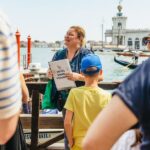
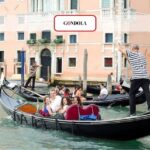
Padua to Venice by train, with a day that stays on rails
This is not a Venice-on-your-own day. You meet in Padua at Stazione FS di Padova (Piazzale della Stazione, 1, 35131), and the tour includes round-trip transfer by train from Padua station.
That matters because Venice is easy to overpay for time-wasting. With train transport handled, you can focus on the walk and let the guide steer the order of sights. The tour also runs about 7 hours 30 minutes, which is a real half-day plus, not a quick “hit-and-run” stroll.
A small comfort: you get a mobile ticket, which usually makes day-of logistics smoother than paper vouchers.
Cannaregio first, where Venice feels local and quieter
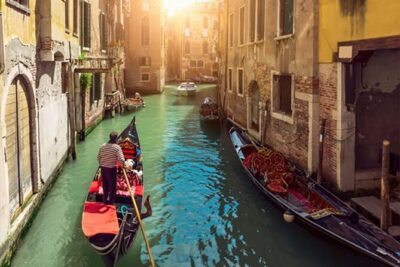
You start by moving through narrow Venetian streets in the Cannaregio area, heading toward the neighborhood that bridges into the Ancient Jewish Ghetto. Cannaregio is a smart starting point if you want Venice that feels lived-in, not staged.
In this part of town, the walk passes everyday shopping streets and the kind of lanes where you notice doors, signage, and small storefront habits. The tour also highlights Strada Nova and Lista di Spagna as key shopping corridors, plus the local energy around bars and meeting spots.
Why I like this approach: Venice’s most famous postcard corners are crowded because everyone wants to be there at the same time. Starting in Cannaregio helps you build a mental map of how the city actually moves, canal by canal and campi by campi.
Jewish Ghetto Ebraico: streets, shops, and a meaningful pause
A big reason this tour works is that it does not treat the Jewish Ghetto as a drive-by photo stop. You walk through the Jewish Ghetto of Venice as its own section of the day, with a short scheduled stop time.
What makes this valuable is the combination of context and street-level observation. You are not only looking at buildings. You are walking the lanes between neighborhood shops, including traditional Jewish shops and antique-style shop windows mentioned as part of the route.
Also, this portion stays quieter than the rush areas later in the day. It is a better moment to look closely at how Venice’s history shows up in everyday commerce.
The same hours, spent on the water instead:
- Boat Trip: Glimpse of Murano, Torcello & Burano Islands
★ 4.3 · 15,699 reviews - Venice: La Fenice Opera House Entry Ticket with Audio Guide
★ 4.6 · 11,742 reviews - Murano & Burano: Boat Tour with Guide & Glass Factory Visit
★ 4.3 · 10,716 reviews - Venice: Burano, Torcello & Murano Boat Tour w/Glassblowing
★ 4.4 · 10,245 reviews - Murano, Burano and Torcello Half-Day Sightseeing Tour
★ 3.5 · 7,928 reviews
A coffee break that feels like it belongs in Venice
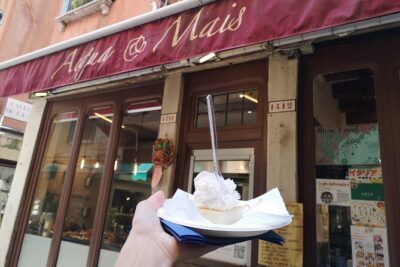
This tour includes time to stop for espresso at a small coffee shop in Venice that has reportedly used the same recipe for almost a century. That detail sounds minor until you realize what it does.
A stop like that gives your legs a reset and keeps the day from becoming one long march. It also nudges you to experience Venice at a pace locals understand: one short break, then back out into the calli and campi.
If you are the type who hates “tour coffee that is just a drink,” this one is built as a proper espresso moment, not a generic stop.
San Polo: the relaxed Venice zone, plus Campo San Polo’s pull
After Cannaregio, the route shifts toward San Polo, a district known for its relaxed feel when compared with the busiest parts of Venice. You also spend time around Campo San Polo, described as the largest square after San Marco.
San Polo is small, and it has a mix of homes, working spaces, and the kind of local taverns called bacari. That word matters because in Venice, a bacaro is usually where you do short, repeated bites, not a single big sit-down meal.
Expect the walk to feel more neighborhood and less monumental here. You will likely notice the contrast between grand architecture moments later and the everyday “people live here” side of Venice within the same day.
Rialto Bridge and Rialto Market: the icon plus the working scene
The Rialto Bridge is the next major anchor, and this one is timed so you are not only seeing it from the edges. The tour spends about an hour around this area, with the bridge as a centerpiece and the Rialto Market included as a stop.
The guide info covers key context: the Rialto Bridge is the oldest of the bridges across the Grand Canal (among Venice’s main crossings) and it connects directly to the city’s long role as an economic hub. The design detail matters too, with the two inclined ramps and portico at the center.
Then there is the market. Market areas are where Venice stops being “pretty” and becomes “functional.” You see the energy of vendors and the rhythm of local commerce. Even if you do not plan to buy much, it helps you understand why Rialto has held attention for centuries.
Practical note: this area can get packed. Build in patience, and keep your phone charged, because if you pause for photos, you lose time. The tour’s longer bridge block helps balance that.
A lesser-known Grand Canal viewpoint: the angle you cannot DIY easily
At some point you will visit a “hidden place” viewpoint that offers a completely exclusive view of the Grand Canal. The exact spot is not specified, but the promise is clear: you are getting a view that is not the usual crowded line of sight.
This kind of stop is worth it in a city like Venice. If you try to find these angles on your own, you end up doing trial-and-error while tourists do the same thing. A guided plan reduces the random searching and turns the viewpoint into a real payoff.
If you care about photos, you will especially appreciate the way the day sets up this moment after you already walked the canals and streets. Your eye is ready by then.
San Marco square and the Bridge of Sighs zone
Then you move toward Piazza San Marco, described as the main square with major landmarks around it, including the Basilica of San Marco, the Doge’s Palace, the Correr Museum, and the Campanile and Clock Tower.
The tour notes a practical geographic detail too: San Marco is low and can be the first area to flood when water rises. That is a real Venice thing to keep in mind, especially if you are visiting outside the safest-weather months.
You will also arrive at the Bridge of Sighs area. Even without going inside, seeing this from the walkway area helps you understand why it is one of the most referenced bridges in Venice.
San Marco Basilica: the visit is close, but the entrance is not included
The Basilica of San Marco is explicitly noted as not included. The same goes for church entrances in general, with the info stating entrance fees are currently not required, but may be required in the future by local government.
If you want to go inside the Basilica, you will likely need to plan separately. In this tour, your best bet is to treat the outdoor viewing and the surrounding square as the core experience.
And yes, dress code matters. If you plan to enter churches, you need covered shoulders and legs. If you show up in shorts and a sleeveless top, you can still enjoy the area, but you might not be able to go in.
Bacaro lunch and cicchetti: snack lunch done the Venetian way
One of the best parts of Venice days is the food rhythm, and this tour builds lunch around a bacaro described as an ancient place hidden among the intricate calli.
The stop is framed as an opportunity to enjoy traditional Venetian cicchetti. That usually means small plates you share or nibble through, which is perfect for a walking day. You do not need a two-hour meal to keep your momentum.
One caution: the price list only says what is expressly included, and lunch is not listed under Included. So treat the bacaro portion as a planned lunch stop where you can order what you want, rather than a guaranteed meal you can count on as fully covered.
Even so, having a guide line up the bacaro stop is a big win. In Venice, finding the right place to eat at the right moment is half the battle.
Ferry boat back toward the station, then you are done
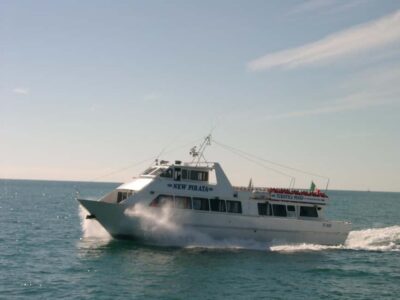
After San Marco and the Bridge of Sighs, you take a ferry boat to reach the rail station. That is a smart ending move because it breaks up the feeling of “more walking, more walking.”
The tour then ends back at the meeting point area in Padua. The whole day is designed as a loop, not a one-way sightseeing scramble.
If you like having a clear end time for your legs and your brain, you will appreciate the structure.
Price and value: what $150.49 buys you on a Venice day from Padua
At $150.49 per person, this is not a budget “free walking tour” style experience. It costs more because you are paying for planning, guiding, and transportation.
Here is what you get for the price:
- Guided walking across several Venice districts
- Round-trip train transfers from Padua
- A small group cap of 10
- A ferry boat segment included
- Insurance and technical organization by a certified travel agency
- A route that combines major icons with neighborhood parts like Cannaregio and the Jewish Ghetto
That combination is the value. You are not just seeing sights, you are also getting logistical help so your day stays coherent. Since Venice days can be expensive when you piece together transit and timed entry options, bundling rail and water travel is usually worth it for a first-time Venice visitor, or anyone who wants a smooth day.
Two pricing considerations:
- The Basilica entrance is not included
- Church entrance fees are said to be currently not required, but rules can change
Also, the tour is listed as typically booked about 115 days in advance on average. That small-group cap means early booking can make a difference.
Who this tour suits best, and who should think twice
This tour is a great fit if you:
- Want Venice history and neighborhoods without spending hours planning the route
- Like walking but still want a guide to keep you on track
- Prefer a structured day with train and ferry help from Padua
- Enjoy a food break that uses Venice’s bacaro, cicchetti style
It may not be ideal if you:
- Hate walking for most of a 7.5-hour day, since the pace is built around city strolling
- Need strictly predictable language delivery, since one past experience described a German and English mix that slowed the flow
- Plan to enter churches without packing appropriate clothing, since shoulders and legs must be covered
Should you book Live Venice as a local departing from Padua?
I would book this if you want a Venice day that feels guided but still neighborhood-focused. The route covers real districts, not just the usual photo checklist, and it includes the important logistics of getting there and back from Padua.
If you are chasing only the headline sights, you might feel the day spreads attention wider than you expected. But if you want Venice to make sense as a city, starting in Cannaregio and weaving through the Jewish Ghetto, then landing at Rialto and San Marco is a strong plan.
My final advice: if you care about San Marco Basilica inside visits, check entry expectations before you go. And dress for church access, even if you are not sure you will go in.
FAQ
Where is the meeting point in Padua?
You meet at Stazione FS di Padova, Piazzale della Stazione, 1, 35131 Padova PD, Italy.
What time does the tour start?
The start time is 9:45 am.
How long is the tour?
It lasts about 7 hours 30 minutes.
Is the train transfer between Padua and Venice included?
Yes. Round trip transfer by train from Padua station is included.
How big is the group?
The tour has a maximum of 10 travelers.
Do I need to walk a lot?
Yes. The tour is designed for travelers with a moderate physical fitness level, since it involves a walking route through Venice streets and districts.
Is the Basilica of San Marco included?
No. The Basilica of San Marco is noted as not included.
What clothing is required for church visits?
To visit churches, you need covered shoulders and legs.
Is there an access fee for day visitors to Venice?
On certain dates, a €5 access fee may apply to people staying outside of Venice who are visiting for the day. You can check details at https://cda.ve.it.
Can I cancel for free?
Yes. You can cancel up to 24 hours in advance for a full refund. If you cancel less than 24 hours before, the amount is not refunded.