Reviewed · GUIDED
The Majestic Teatro La Fenice: Guided Tour in Venice
Venice’s most theatrical room is waiting. This guided visit inside Teatro La Fenice turns a famous landmark into a place with plot, characters, and backstage-scale drama, all wrapped into a 1-hour tour. You’ll walk through a theatre that helped launch major works from Rossini and Bellini, then connects that legacy to modern premieres.
I love the way the tour brings the building to life with a live guide who explains design details as you move through the space. In the best moments, you get stops like the Royal box, plus glimpses of exhibits tied to opera legends, including a Maria Callas display that some tours have shown on-site. You also tend to leave with enough time to linger on your own afterward, so the theatre can sink in at your pace.
One consideration: the experience is not suitable for wheelchair users, so plan other options if mobility is limited.
In This Review
- Key highlights I’d plan around
- Meeting the Guide Outside the Fenice, Then Moving Indoors
- What You Actually See Inside La Fenice
- The Royal Box Stop, and Why It Changes the View
- The Ceiling Moment and the Theatre’s Signature Details
- A Guided Opera Timeline, Rossini to Bellini
- La Fenice Looks Forward, Stravinski and Britten Included
- Practical Timing, Group Flow, and How to Make It Work
- Is the $29 Price Good Value for Venice?
- Should You Book Teatro La Fenice, Guided Tour?
- FAQ
- How long is the Teatro La Fenice guided tour?
- How much does the tour cost?
- Where do I meet for the tour?
- What languages are available for the guide?
- Is the tour wheelchair accessible?
- Is there free cancellation?
- Can I reserve now and pay later?
Key highlights I’d plan around
- A live, face-to-face guide in Italian or English, not just a headset version of the story
- Royal box access plus a focus on key rooms you can actually feel from your seat
- Opera history tied to the architecture, with named works like Tancredi, Sigismondo, and The Capulets and the Montagues
- Modern direction mentioned, including contemporary milestones such as Stravinski’s The Rake’s Progress and Britten’s The Turn of the Screw
- A quick but dense route, designed to cover a lot in about an hour
A few more Venice outings worth comparing


Meeting the Guide Outside the Fenice, Then Moving Indoors
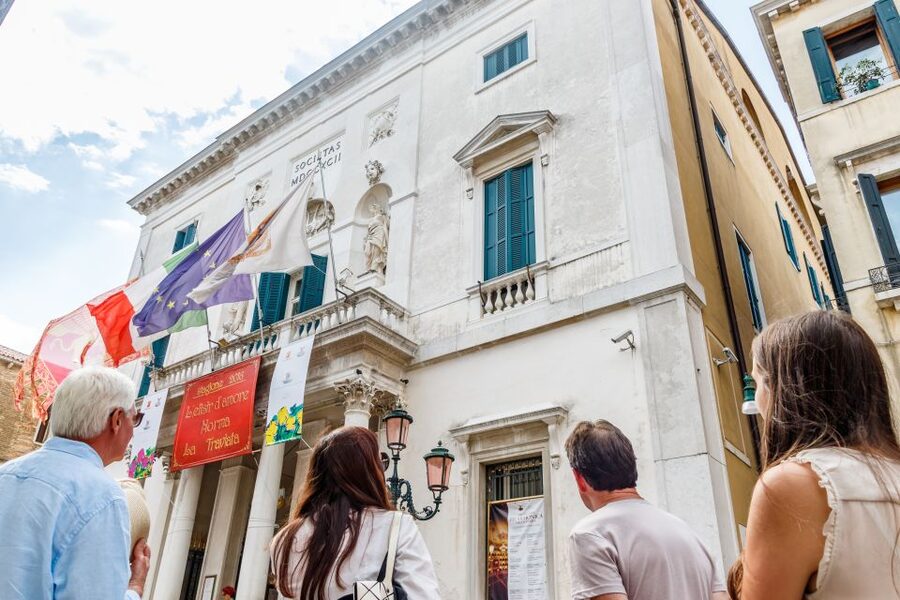
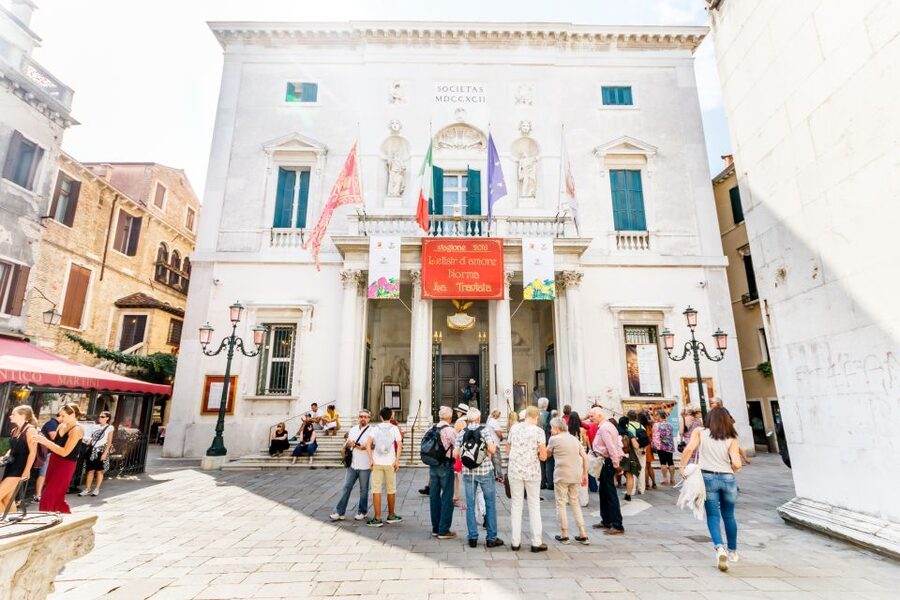
Your tour experience starts at street level, meeting in front of the Fenice theatre entrance. One practical detail that matters: the briefing and explanation happen inside the theatre, not while you’re standing outside. That means you can use the minutes before departure to orient yourself, check the exact entrance, and avoid rushing when you step inside.
The tour runs for 1 hour, which is a good fit in Venice. It’s long enough to get the story, but short enough that you can still do the rest of your day without the “I’m stuck in a tour group all afternoon” feeling. It’s also priced reasonably at $29 per person for an inside visit to a world-famous venue, especially when you consider the live guide factor.
Language-wise, you can have the tour in Italian or English. Some people have noted that bilingual formats can make timing feel a bit different depending on who’s on the tour, so if you’re sensitive to delays, try to pick a departure that matches your preferred language and arrives with the group on time.
What You Actually See Inside La Fenice
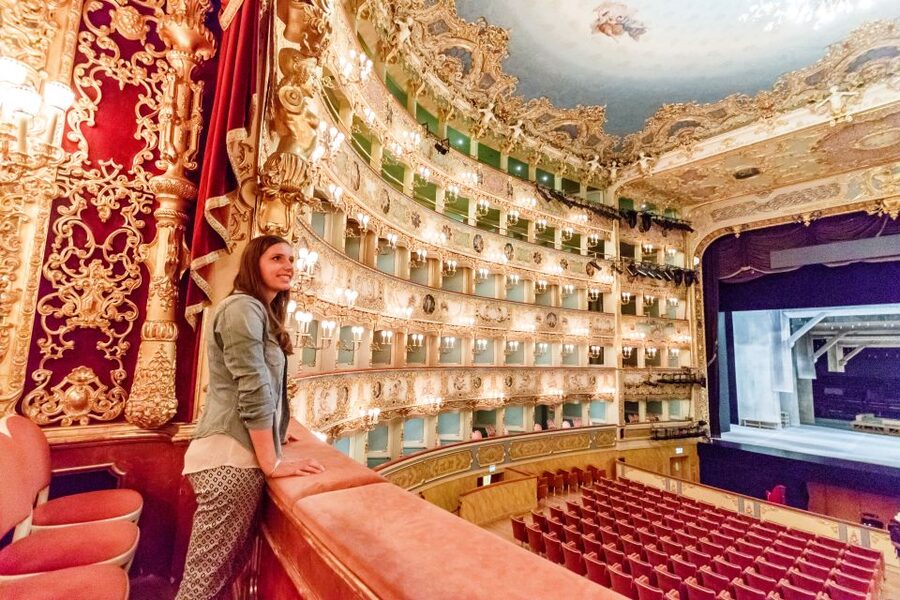
This isn’t a drive-by photo stop. The tour is built around a guided walk through the theatre itself, so you’re not just learning dates and names. You’re looking at the rooms that make those works feel dramatic.
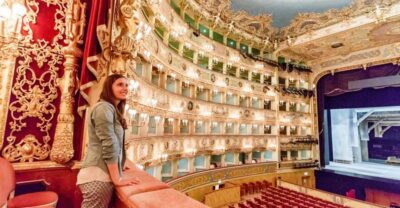
La Fenice has a seating capacity of over 1,000, which helps explain why the space feels so serious and immediate. The design supports excellent acoustics, and that matters even if you’re not an opera superfan. When a theatre is made for sound, you can sense it in how voices and music would carry. That sense is part of why a short tour can feel more valuable than you’d expect.
You’ll also hear context about the performing forces behind the scenes, including a 98-member orchestra and a 66-person opera chorus. I like this detail because it grounds the tour. It’s not only about decoration. It’s about the machine that makes an opera performance happen in that room.
In terms of where you can go, the tour focuses on visitor-access areas. You may be able to walk through multiple interior zones, and some tours have highlighted areas like the entrance, the main auditorium, and viewing spaces associated with high-status seating. What you should not count on is backstage or behind-the-scenes access. There are times when certain areas may be restricted due to theatre operations, so treat this tour as an inside look at the public-facing wonder, not a guaranteed backstage pass.
The Royal Box Stop, and Why It Changes the View
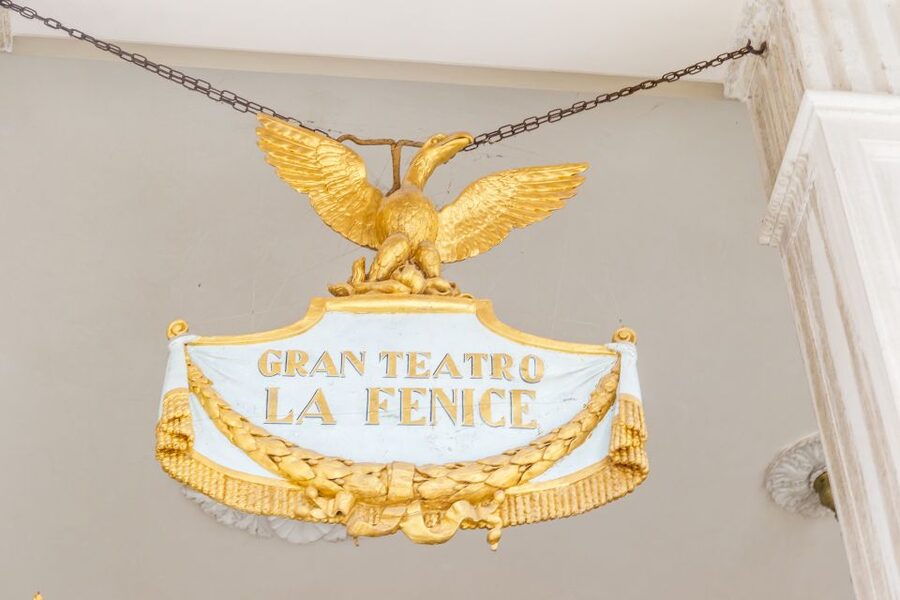
If there’s one visual moment that tends to stick, it’s the Royal box. Seeing it shifts your understanding from building to stage power. Suddenly you’re not just looking at seats. You’re standing in the same kind of visual hierarchy that opera audiences have used for generations, where proximity to the performance signals status and storytelling.
The Royal box is also where the tour’s architecture talk can feel most real. It’s easier to understand why designers built the theatre as they did once you’re standing in a space meant for visibility, perspective, and social meaning.
Some tours have also pointed out on-site exhibits, including a Maria Callas display that you might catch depending on the day. Even if you’re not deep into opera history, a stop like that gives you a human anchor. The theatre stops being an impressive shell and becomes a cultural memory bank.
Pro tip: spend a moment looking out from the vantage points you’re allowed to access. Don’t only photograph the décor. Look at sightlines, angles, and how the room frames the stage area. That’s what makes the tour click fast.
The same hours, spent on the water instead:
- Venice: Doge’s Palace Reserved Entry Ticket
★ 4.6 · 42,716 reviews - Venice: Grand Canal Gondola Ride with App Commentary
★ 4.1 · 23,020 reviews - Venice: Grand Canal Gondola Experience with Live Commentary™
★ 4.2 · 16,504 reviews - Boat Trip: Glimpse of Murano, Torcello & Burano Islands
★ 4.3 · 15,699 reviews - Venice: Burano, Torcello & Murano Boat Tour w/Glassblowing
★ 4.4 · 10,245 reviews
The Ceiling Moment and the Theatre’s Signature Details
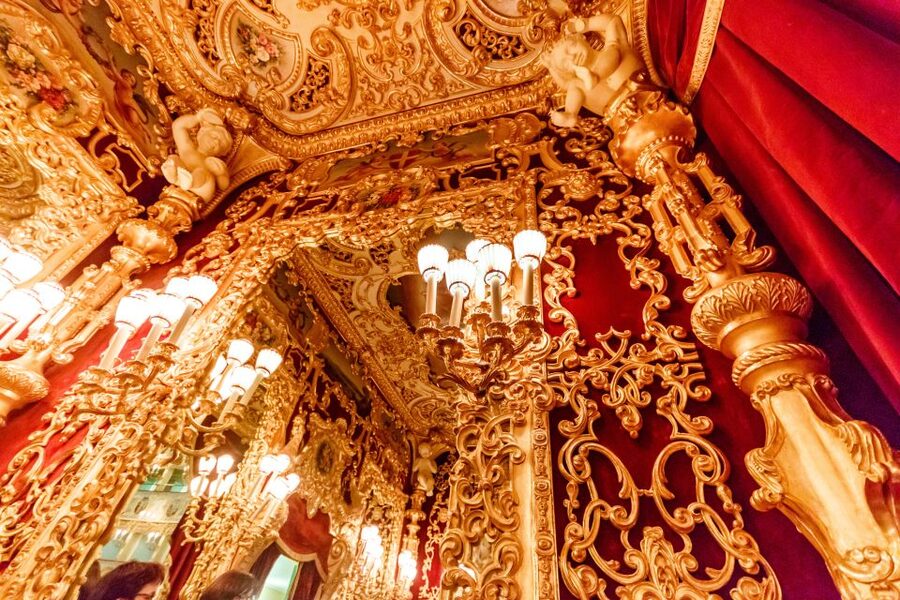
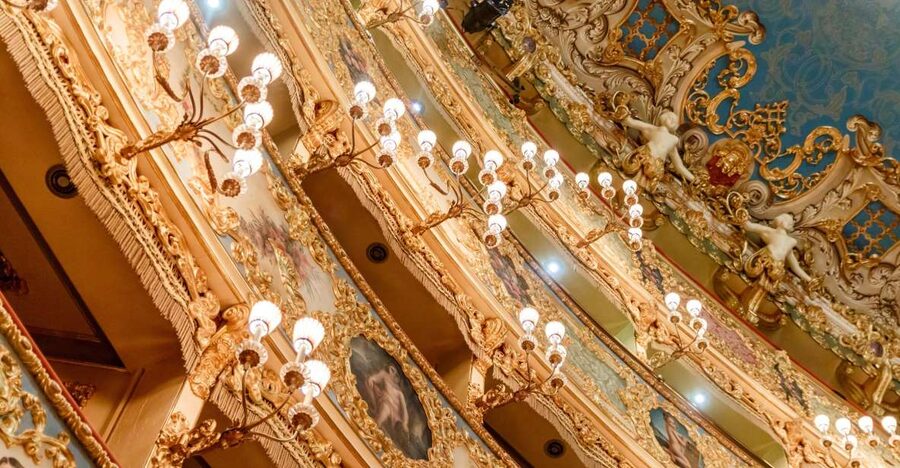
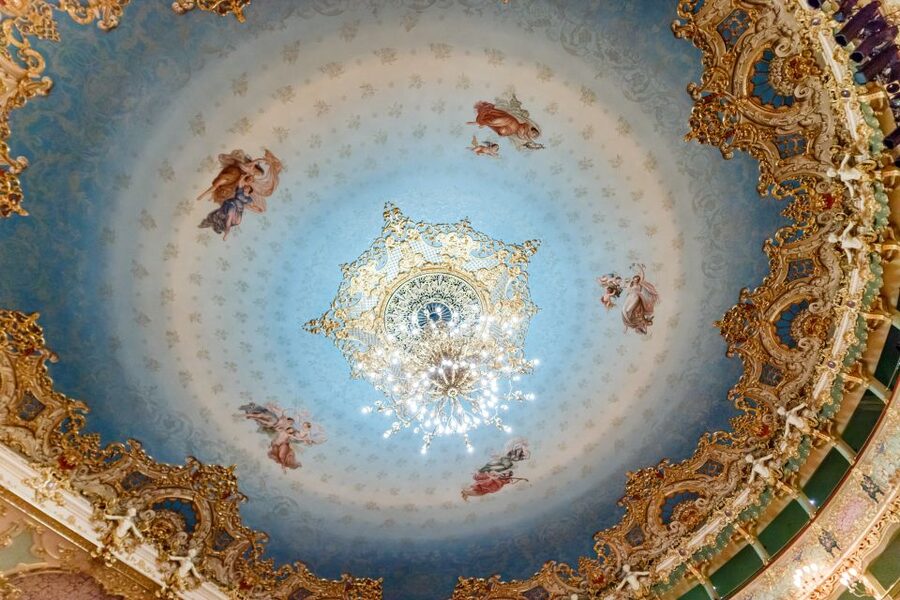
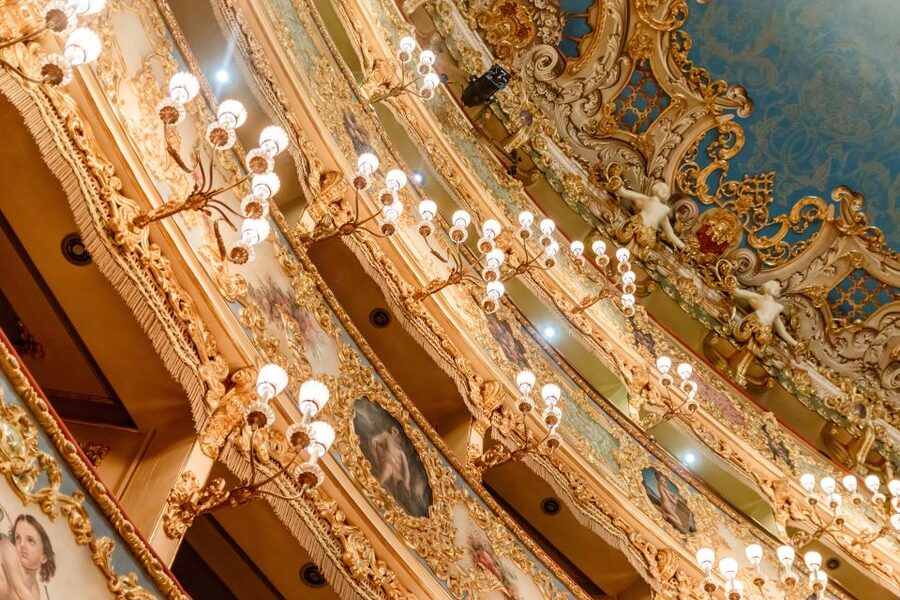
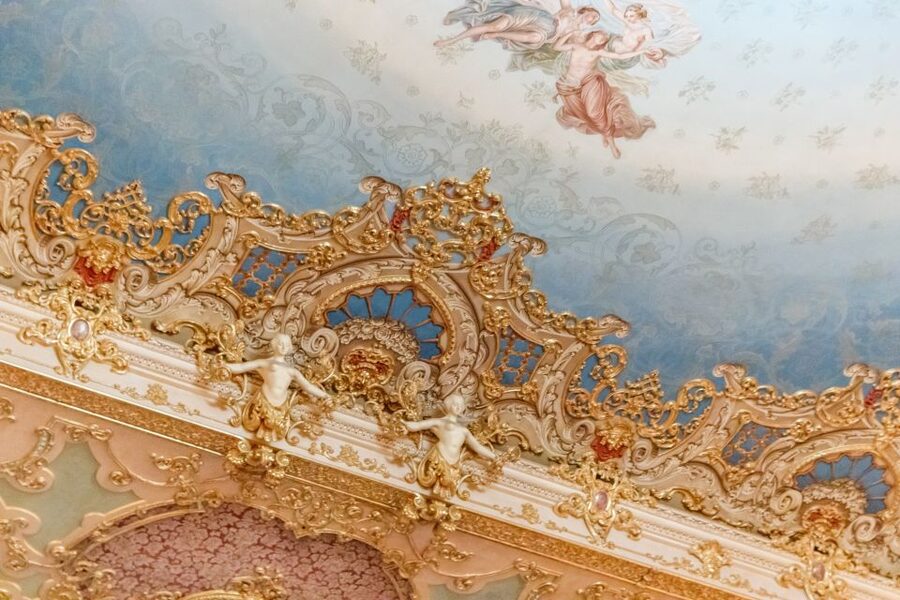
La Fenice is known for eye-catching design, and one detail people mention often is the ceiling, including a clock element. That kind of feature does two things at once. It’s decorative, but it also gives the room identity. You’ll find yourself orienting your sense of time inside a space that was built to feel bigger than ordinary life.
This matters for value, not just aesthetics. When a guide points out a specific design feature like that and ties it to how the theatre functions, you’ll remember more than a list of operas. You’ll start to “read” the room.
You might also notice how tour pacing supports photos and reorientation. Some guides let you move at a comfortable speed, and afterwards, many visitors like the chance to stay longer on your own. One of the hidden advantages here is that you can return to your favorite corners without hurrying, which is rare with short tours.
A Guided Opera Timeline, Rossini to Bellini
The heart of the tour is the way it strings famous works together with the theatre’s role in Venice’s opera scene. You’ll hear about how the theatre became a go-to venue for major premieres shortly after it was founded in the late 18th century.
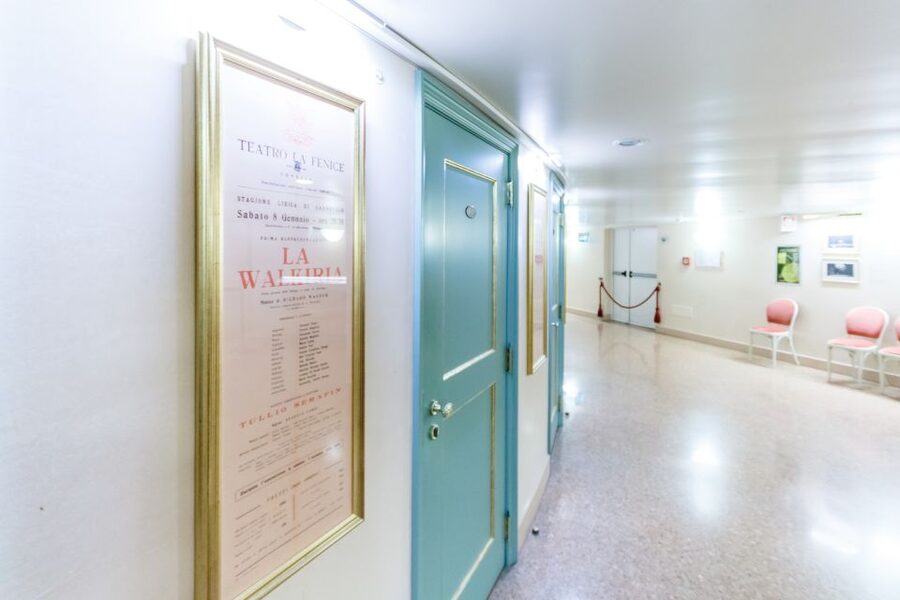
The tour highlights include Rossini works such as Tancredi, Sigismondo, and Semiramide, along with Bellini’s The Capulets and the Montagues. You’ll also hear about Beatrice di Tenda and other notable titles. I like this approach because it’s not random trivia. Each name helps you picture the kind of productions that demanded a theatre like this.
Even if you only know opera casually, these specific titles are useful. They act like waypoints, so you can map the theatre’s significance without needing a music degree. And because the tour ties those works to the space you’re standing in, you won’t walk away thinking you visited an empty monument. You’ll walk away imagining performances, costumes, and the emotional timing of arias moving through the room.
La Fenice Looks Forward, Stravinski and Britten Included
One reason to book this tour now is that the theatre is not stuck in the past. The tour includes the theatre’s new direction and how it continues to welcome contemporary work.
You’ll hear about world premieres connected to Stravinski’s The Rake’s Progress and Britten’s The Turn of the Screw. That’s a meaningful detail for modern visitors. It tells you the theatre is still a working performance space, not only a museum stop.
For you, that means your visit can be more than a history lesson. It’s also a way to set your expectations if you plan to attend an opera performance while in Venice. When you know the theatre has hosted past masterpieces and also champions new productions, you’re more likely to see tonight’s (or upcoming) performance as part of a living tradition.
Practical Timing, Group Flow, and How to Make It Work
This is a 1-hour guided visit, so your success is mostly about how you handle the timing.
Arrive a touch early. The meeting point is straightforward, in front of the Fenice entrance, but Venice streets can be tricky with crowds. Once you’re inside, you’ll likely move through the theatre in an organized flow. In some cases, tours that include both Italian and English explanations can take a bit longer in real feel, because content is repeated for different groups. It doesn’t ruin the tour, but it can affect how much you feel you get per minute.
Also, check your expectations about access. The tour is focused on interior spaces you can visit as a guest. Backstage access is not promised, and some operational moments can limit what’s open. If you’re the kind of traveler who wants behind-the-scenes machinery, you might leave wanting more. But if your goal is to understand La Fenice as a performance venue, the tour is very well targeted.
Finally, the not-so-secret advantage: after the guide finishes, you may be able to continue exploring at your own pace. If you’re the type who likes to linger, sketch in a travel journal, or re-aim your photos for better angles, this “stay a bit longer” freedom can make the whole experience feel longer than the clock.
Is the $29 Price Good Value for Venice?
At $29 per person, the value is strong if you care about live context.
Here’s why it works:
- You’re paying for a real human guide inside a major landmark, not just viewing from the hallway.
- The tour connects the theatre’s physical design to famous works, including named Rossini and Bellini titles.
- It includes high-impact visual stops like the Royal box.
- You may get extra time afterward to take in the rooms again, which stretches the experience without adding cost.
Could it be more expensive if it were only “look around and read a panel”? Yes. But the guide component and the fact that this is a true theatre space make the price feel fair.
Who should book? This is ideal for couples, solo travelers, and small groups who want a fast, high-quality cultural hit in Venice without committing to a full-day plan. It’s also great if you’re pairing the tour with an evening opera performance, because you’ll start recognizing spaces and thinking about sound, seating, and staging rather than just admiring the décor.
Should You Book Teatro La Fenice, Guided Tour?
Book it if you want:
- a short, high-impact inside visit
- a guided story that connects Rossini and Bellini to the actual theatre you see
- a chance to visit places like the Royal box and understand what makes this venue special
Skip it or plan an alternative if:
- you need wheelchair accessibility, because this tour is not suitable for wheelchair users
- you’re expecting backstage access or a heavy emphasis on behind-the-scenes areas, because the tour centers on visitor-facing rooms and the main theatre areas
If you’re choosing just one theatre-related stop in Venice for the week, this is an easy winner. It’s compact, informative, and focused on the parts of La Fenice that help you see the building the way an opera audience would.
FAQ
How long is the Teatro La Fenice guided tour?
It lasts 1 hour.
How much does the tour cost?
The price is $29 per person.
Where do I meet for the tour?
Meet in front of the Fenice theatre entrance.
What languages are available for the guide?
The tour guide is available in Italian and English.
Is the tour wheelchair accessible?
No, the tour is not suitable for wheelchair users.
Is there free cancellation?
Yes, you can cancel up to 24 hours in advance for a full refund.
Can I reserve now and pay later?
Yes, you can reserve now & pay later, keeping your plans flexible.
Lately added around Venice

Guided, compared.
La Fenice Opera House Entry Ticket with Audio Guide
Read our review →
Murano & Burano: Boat Tour with Guide & Glass Factory Visit
Read our review →
Murano & Burano Islands Guided Small-Group Tour by Private Boat
Read our review →
Murano, Burano, Torcello: Tour with Guide & Glass Factory
Read our review →
Murano & Burano Guided Tour by Private Boat with Glassmaking
Read our review →
Venice Islands: Murano Glass & Burano Colors Guided Visit
Read our review →
Street Food Tour with a Local Guide and Tastings
Read our review →