Reviewed · TICKETS
Venice: Fondazione Querini Stampalia Entry Tickets
Venice hides a real patrician art house. I love the way Carlo Scarpa’s secret garden feels different from the museum rooms, like you’ve stepped into another kind of Venice. I also like the historic house-museum setting, because it makes the art feel personal, not just displayed. One thing to plan for: you cannot bring luggage or large bags, so travel light.
For a day at Fondazione Querini Stampalia, you get one entry ticket that’s valid for the entire day, plus an audio guide to help you pace the collection at your own speed. You’ll move through galleries, a central courtyard for a breather, the café and bookshop, and temporary exhibitions when they’re on view.
In This Review
- Key points to know before you go
- Fondazione Querini Stampalia: an aristocratic home, not just a museum
- Your $14 ticket value: what you get for a full day
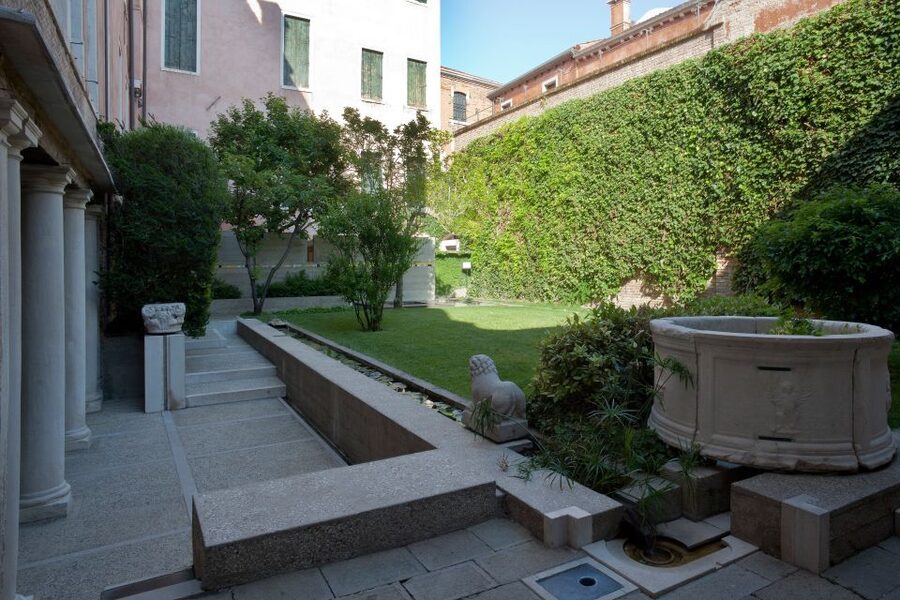
- The “secret” Scarpa garden: why it changes the pace
- Inside the collections: Bellini to contemporary artists in one visit
- Renaissance and Venetian painters you’ll want to seek out
- Contemporary voices alongside the classics
- Temporary exhibits, plus room to move at your own pace
- Pause for real: café, bookshop, and courtyard seating
- Timing your visit: when this place feels best
- Who this is for, and who should think twice
- Should you book Fondazione Querini Stampalia?
- FAQ
- How much is the Fondazione Querini Stampalia ticket?
- How long is the ticket valid?
- What are the opening hours?
- Is the museum open on Mondays?
- What is included with the entry ticket?
- Can I visit the Carlo Scarpa garden?
- Is the museum wheelchair accessible?
- What items are not allowed?
- Can I cancel for a refund?
- Where do I exchange the voucher?
Key points to know before you go
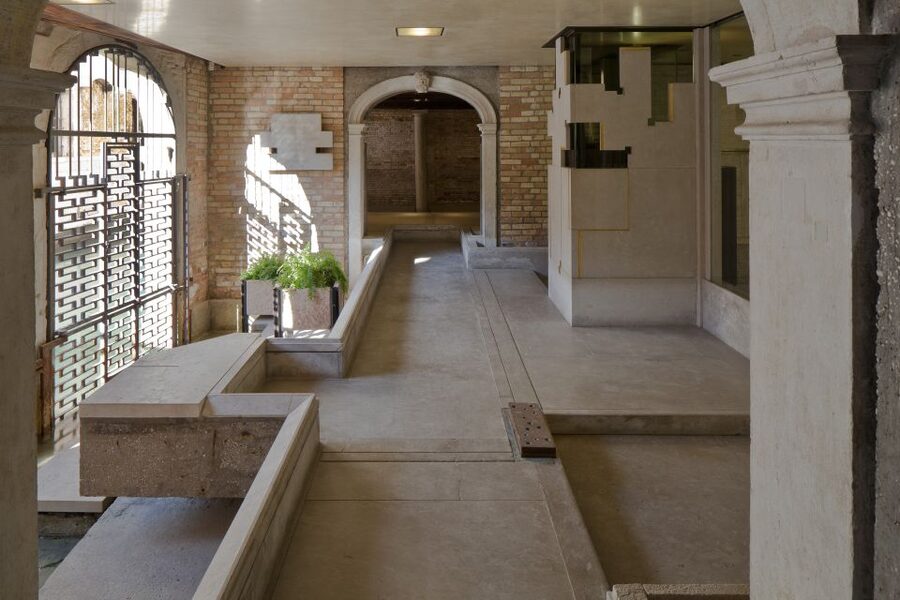
- Carlo Scarpa’s garden is the standout “outside the room” moment, designed as part of the experience
- One all-day ticket lets you come and go within museum hours, so you can slow down where you care most
- Audio guide included, which helps you connect big names to the spaces they’re shown in
- Old masters meet contemporary art across the 14th to 20th centuries, including Bellini and Tiepolo
- You can take breaks in the café and around the central courtyard seating
- Closed on Mondays, so build your Venice plan around that
A few more Venice outings worth comparing

Fondazione Querini Stampalia: an aristocratic home, not just a museum

Fondazione Querini Stampalia is housed in the aristocratic palace of Count Giovanni Querini. That matters, because this isn’t a white-box museum where the building stays in the background. The building is part of the story. As you walk from rooms to rooms, the space itself quietly tells you what Venetian high society valued: status, taste, and collecting.
I especially like that the collection isn’t frozen in time. You’ll see works spanning centuries, from major Renaissance painters through later masters, and then into the contemporary art wing. It’s a reminder that Venice kept evolving, even when its most famous image was all old palaces and canals.
And yes, you can treat it like a proper outing, not a checklist. You’ll have time to pause, look longer at what catches your eye, and then come back when your brain is ready to focus again.
Your $14 ticket value: what you get for a full day
At about $14 per person, this is strong value for a Venice art stop. The ticket includes entry to both permanent and temporary exhibitions, and you get an audio guide. That combination matters because you are not just paying to walk into rooms, you’re getting context for the art and architecture once you’re there.
Also, the ticket is valid for the entire day. In Venice, that flexibility is real value. You can start in the morning, or you can wait until later if you want your visit to fit around other plans in the city.
The museum hours are 10 AM to 6 PM, with the last admission at 5:30 PM, so plan your pacing around that. If you’re a late-day museum person, you can still make it work, but you don’t want to gamble.
The “secret” Scarpa garden: why it changes the pace
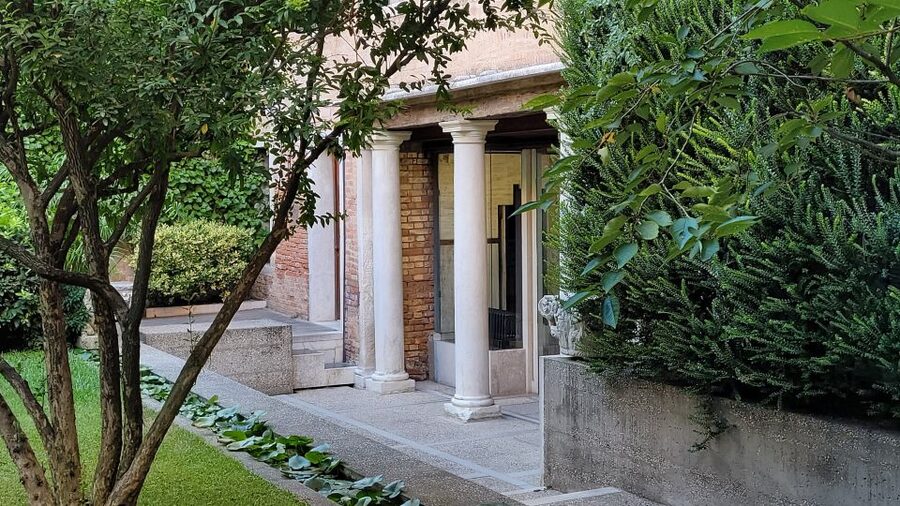
The highlight for many art-and-architecture lovers is the garden designed by Italian architect Carlo Scarpa. Even if you think you’re coming only for paintings, this space is what breaks up the indoor flow.
Scarpa’s design is the kind that rewards slow movement. Paths, levels, and carefully handled details help you notice how architecture can choreograph a walk. In a place like Venice, where the city can feel like one long sensory push, this garden is a controlled reset.
I also like that the garden is not a separate “optional add-on.” It’s part of the visit, tied to how the house museum functions as a complete lived-in environment. You end up understanding the palace as something that reaches outward to light, air, and the feeling of “private grounds,” even though you’re visiting it as a public museum.
The same hours, spent on the water instead:
- Venice: Grand Canal Gondola Ride with App Commentary
★ 4.1 · 23,020 reviews - Venice: Grand Canal Gondola Experience with Live Commentary™
★ 4.2 · 16,504 reviews - Boat Trip: Glimpse of Murano, Torcello & Burano Islands
★ 4.3 · 15,699 reviews - Murano & Burano: Boat Tour with Guide & Glass Factory Visit
★ 4.3 · 10,716 reviews - Venice: Burano, Torcello & Murano Boat Tour w/Glassblowing
★ 4.4 · 10,245 reviews
Inside the collections: Bellini to contemporary artists in one visit
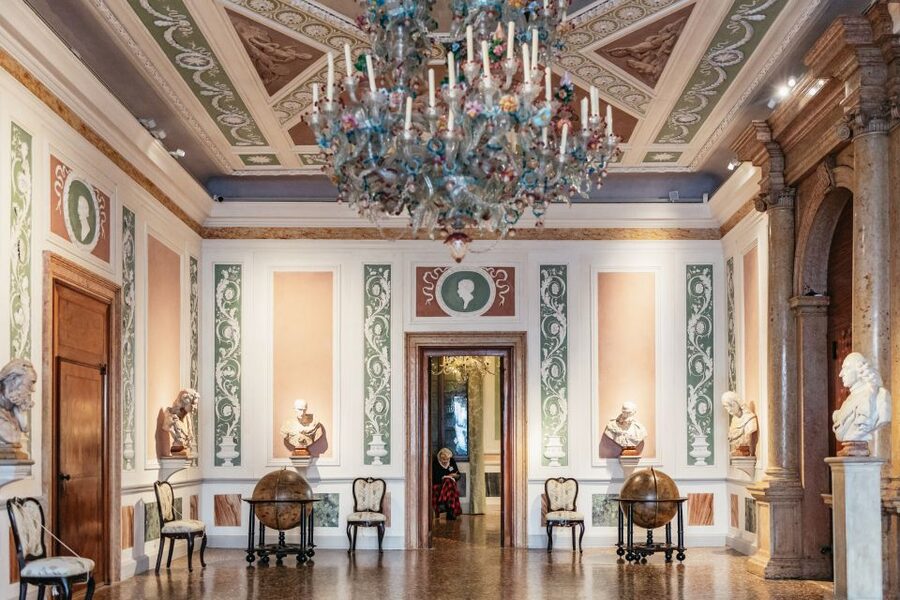
One of the most satisfying parts of Fondazione Querini Stampalia is the range. You’ll see works from the 14th to the 20th century, and the collection doesn’t just list famous names. It shows how Venetian collecting habits could include art that spoke to the era, and also art that reflected new ideas later on.
Renaissance and Venetian painters you’ll want to seek out
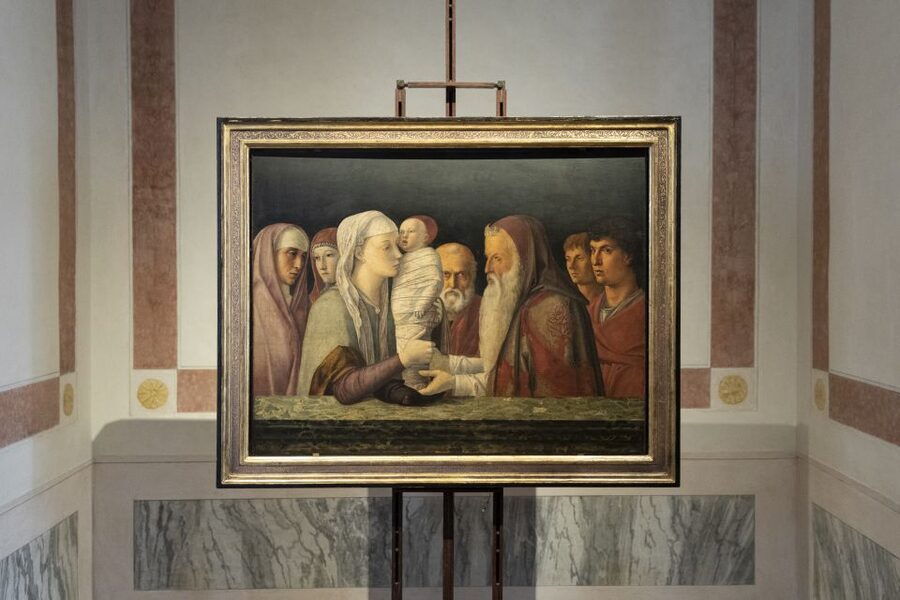
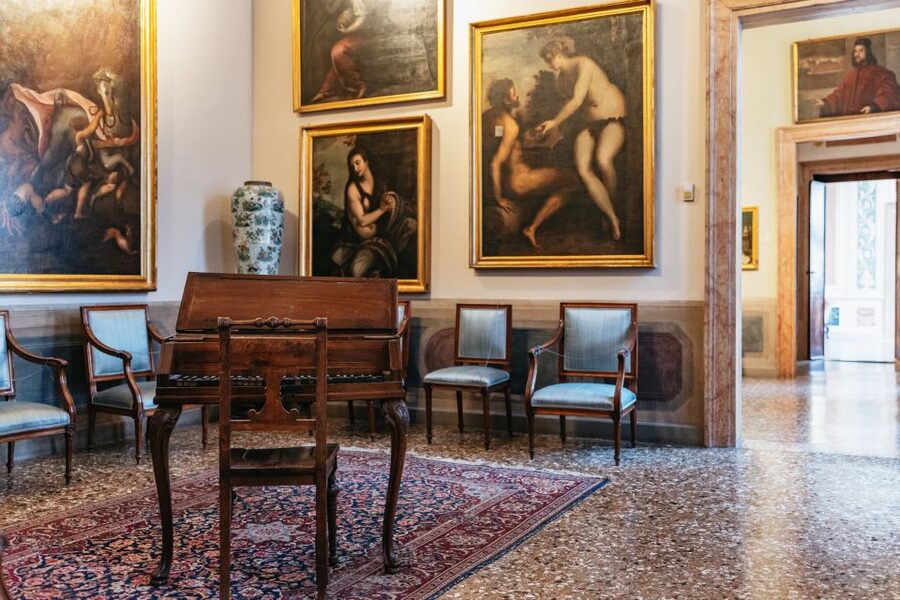
The museum includes masterpieces by Giovanni Bellini and Palma il Vecchio, plus works by Pietro Longhi and Giambattista Tiepolo. What makes this group especially fun in a house museum is how their themes can feel more intimate when you’re surrounded by rooms built for elite life, not crowds.
If you’re the kind of visitor who likes to connect art to place, this is your sweet spot. You’re not only looking at painted surfaces. You’re looking at how a palazzo setting reframes the mood of courtly portraiture, religious subjects, and scenes associated with Venetian culture.
Contemporary voices alongside the classics
What I find smart here is the conversation between old and new. You’ll encounter contemporary artists such as Joseph Kosuth, and also works by Mario Botta, Valeriano Pastor, and Michele De Lucchi. Carlo Scarpa appears again as an artist, reinforcing the architecture theme.
This is useful if you worry that museum days become repetitive. Here, you can move from a centuries-old style into modern conceptual ideas without leaving the same site. That contrast keeps you awake, and it also makes the historical rooms feel more alive, not trapped in a postcard past.
Temporary exhibits, plus room to move at your own pace
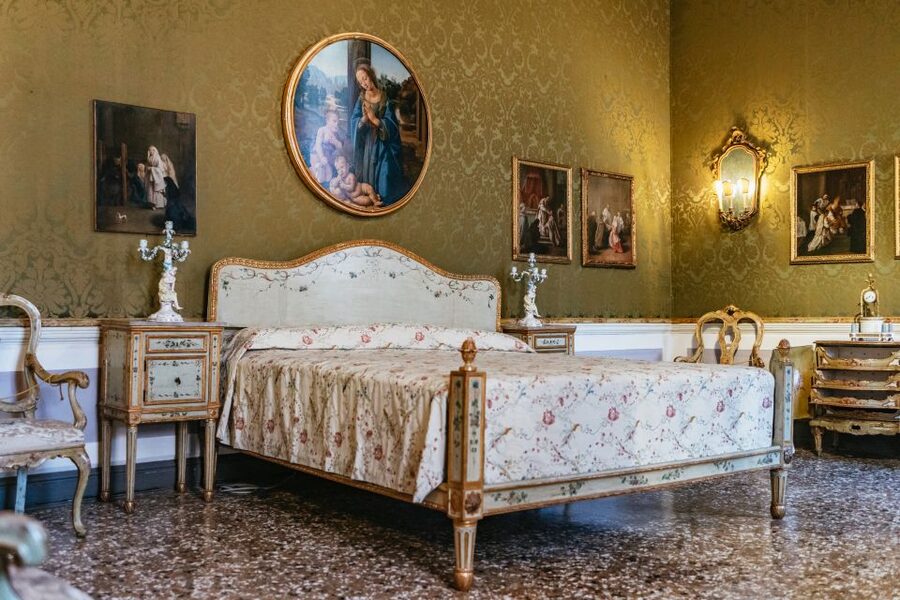
In addition to the permanent collection, you’ll have access to temporary exhibitions while you’re there. That means your visit might feel a little different depending on the current show, so it’s a good stop even if you’ve seen other Venice museums before.
The museum layout encourages you to pace yourself. You’re not forced to rush through a single circuit. In practical terms, that matters because you can spend more time when something grabs you, then step away when your eyes need a break.
I also like that the house-museum atmosphere supports browsing. You can look, then refocus without feeling like you’re slowing down a tour group. The audio guide helps you shape your route around your interests rather than someone else’s schedule.
Pause for real: café, bookshop, and courtyard seating
Venice can be hard on the body. Fondazione Querini Stampalia gives you indoor calm with a few “human” stops.
You can visit the café, browse the bookshop, and spend time in the central courtyard with seating. That courtyard detail matters. It’s the kind of place where you can sit for a few minutes, reset your feet, and come back to the art with better focus.
I’m a big fan of museum spaces that let you take a proper break, not just grab a drink and keep walking. This one gives you options, so your day doesn’t turn into one long sprint.
Timing your visit: when this place feels best
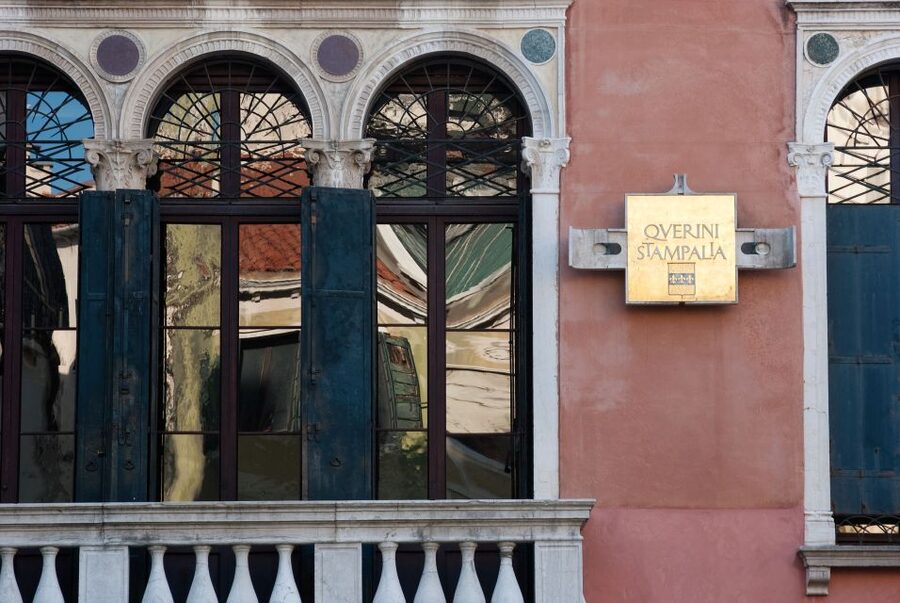
With museum hours running 10 AM to 6 PM and last admission at 5:30 PM, the timing is mostly about light, crowds, and your energy level.
A practical strategy:
- If you like quiet viewing, aim earlier in the day so you spend more time with the art and less time in line.
- If you want a slower Venice rhythm, start mid-morning or early afternoon and plan a longer sit in the café or courtyard.
- If you’re visiting later, keep the last admission in mind. You don’t want to arrive when you’re already tired and then feel rushed.
And one major calendar rule: the museum is closed on Mondays. In Venice, that’s the difference between a perfect plan and scrambling for a Plan B.
Who this is for, and who should think twice
This visit is a great fit if you want:
- serious art without the feeling of a factory museum
- architecture as part of the experience, not an afterthought
- a break from constant streets and canal steps, while still feeling like you’re in Venice
- a day where you can mix centuries of art on the same ticket
It may not be the best match if:
- you only want outdoor sights and quick stops
- you hate indoor walking in historical buildings
- you’re traveling with big luggage and you don’t have an easy way to manage it, since luggage or large bags aren’t allowed
Should you book Fondazione Querini Stampalia?
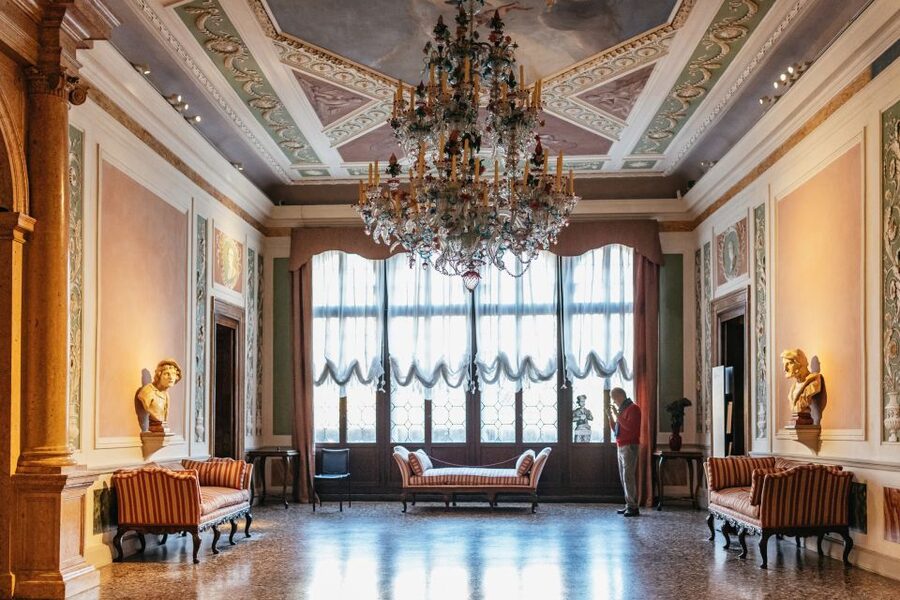
I’d book this if you like art that changes your mood, not just art that impresses you for ten minutes. The combination of the Scarpa garden, a house-museum setting, and art spanning Renaissance to contemporary is a rare mix that works well in Venice.
It’s also a smart choice for a flexible day. You get an all-day ticket, audio guide included, and access to both permanent and temporary exhibitions. Just build your schedule around the Monday closure and the last admission at 5:30 PM.
If you’re choosing between “yet another church” and “a palace where art and design talk to each other,” this one is worth your time.
FAQ
How much is the Fondazione Querini Stampalia ticket?
The entry ticket is priced at $14 per person.
How long is the ticket valid?
The ticket is valid for 1 day. Check availability to see starting times.
What are the opening hours?
Opening times are 10 AM to 6 PM, and the last admission is at 5:30 PM.
Is the museum open on Mondays?
No. The museum is closed on Mondays.
What is included with the entry ticket?
Your ticket includes entry to the permanent and temporary exhibitions and an audio guide.
Can I visit the Carlo Scarpa garden?
Yes. The visit includes the secret garden designed by Carlo Scarpa.
Is the museum wheelchair accessible?
Yes, it is wheelchair accessible.
What items are not allowed?
Luggage or large bags are not allowed. Pets are not allowed either (assistance dogs are allowed).
Can I cancel for a refund?
Yes. Free cancellation is available up to 24 hours in advance for a full refund.
Where do I exchange the voucher?
The group leader must exchange the voucher at the ticket counter.
Lately added around Venice




Tickets, compared.
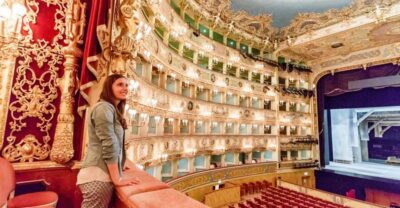
La Fenice Opera House Entry Ticket with Audio Guide
Read our review →
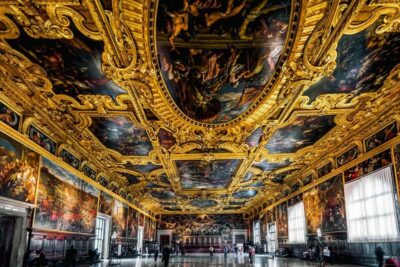
Doge’s Palace & St. Mark’s Basilica Tickets + Tour Options
Read our review →
Doge’s Palace Skip-the-Line Ticket with Guidebook
Read our review →
St. Mark’s Basilica Skip-the-Line Ticket & Audio App
Read our review →