Reviewed · GUIDED
Venice Guided Tour Goldoni Theater
One hour, and Venice theatre history clicks into focus. I like how this visit centers on the Goldoni Theater, a working venue with roots going back to 1622. You also get the story of Carlo Goldoni’s reform work, which helped shape the characters and plays still remembered today, not as museum trivia but as stagecraft.
What I really appreciate is the small-group format, capped at 10 participants, so questions are easy and the guide can slow down when the details matter. The other big win for me is that you are not just looking at pretty rooms, you learn how productions operate behind the scenes as well. One heads-up, though, is that there is no cloakroom service, so plan to travel light with bags you can comfortably carry.
In This Review
- Key highlights worth planning around
- Venice’s Goldoni Theater: 1622, Vendramin, and a stage that never really closed
- Inside the 1-hour guided tour: what you actually get to see
- Architecture you can understand in the middle of a working theatre
- Carlo Goldoni’s reforms: the connection between a theatre and the plays it enables
- Behind-the-scenes operations: the practical side of the spectacle
- Price and value: why $11 works when the group stays small
- When to go, and what kind of traveler this fits best
- Should you book the Venice Guided Tour Goldoni Theater?
- FAQ
- Where does the Venice Goldoni Theater guided tour meet?
- How long is the Goldoni Theater guided tour?
- What is the price for the Goldoni Theater tour?
- Is this tour offered in English and Italian?
- How big is the tour group?
- Is the Goldoni Theater tour wheelchair accessible?
- Is entry to the theater included?
- Is there a cloakroom service available?
- Are there cancellation options?
Key highlights worth planning around
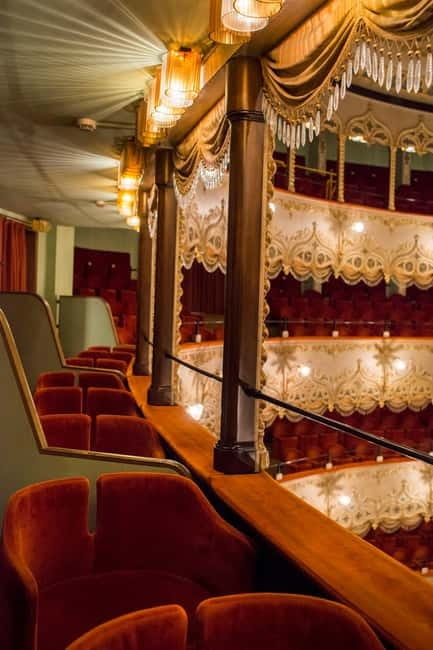
- Venice’s oldest theater still in use: built in 1622, with 400 years of continuous activity
- Carlo Goldoni’s impact explained: the reform that helped create plays and characters remembered worldwide
- Iconic spaces plus backstage operations: you tour the theater areas people recognize, then connect them to how shows work
- Small group of up to 10: easier listening, more interaction, less waiting
- Live guide in English and Italian: the tour is led in both languages, with some content in original language
A few more Venice outings worth comparing


Venice’s Goldoni Theater: 1622, Vendramin, and a stage that never really closed
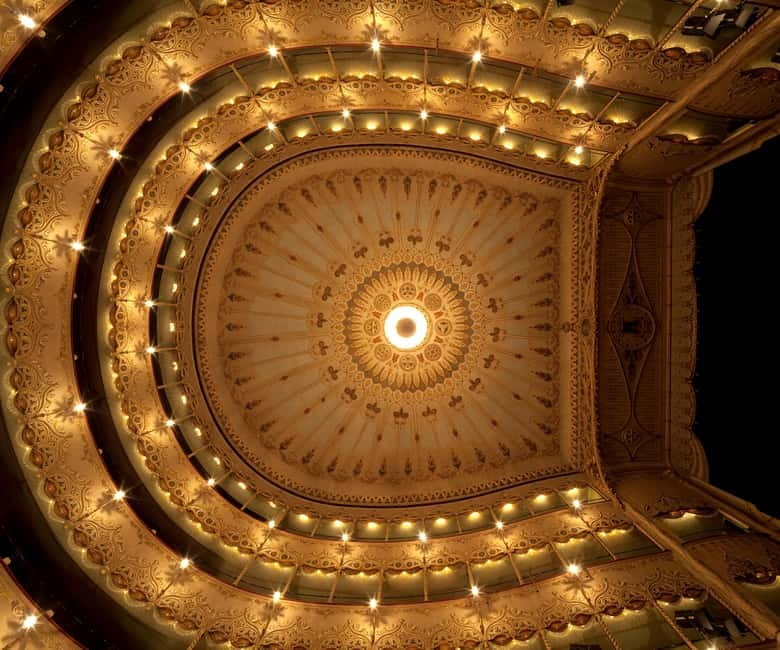
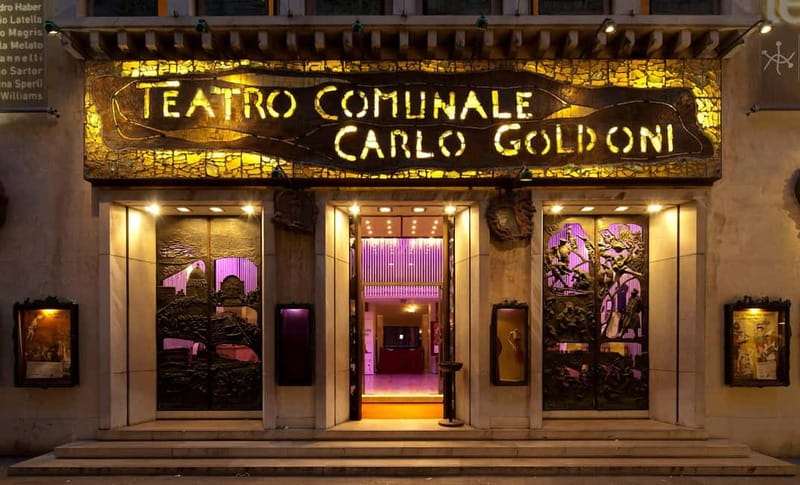
The Goldoni Theater, built by the Vendramin family in 1622, is one of those places where the building itself feels like a performer. It is described as the oldest theater in Venice and Italy still in existence today, and it has enjoyed 400 years of continuous activity. That matters because you are not seeing an empty shell. You are stepping into a living tradition where theatre has kept moving, generation after generation.
Carlo Goldoni enters the story in a practical way, not just as a name on a plaque. Thanks to Venice’s cultural and social attitude, he was able to reform the theater, and those changes helped him create works and characters that still resonate on stages across many languages. During your visit, this gives you a lens for what you are seeing, and why it is still relevant.
Even if you do not consider yourself a theatre person, you will probably enjoy the hour more than you expect. The guide frames the theatre as a system: how space supports storytelling, and how rules and culture shape what audiences eventually remember.
Inside the 1-hour guided tour: what you actually get to see
This is a 1 hour visit that focuses on the Goldoni Theater’s most iconic spaces. The experience is built around walking through the theater and learning its history, architecture, and behind-the-scenes operations. It sounds straightforward, and that is the point. You get a compact tour that gives you the context to understand what you are looking at while you are still there.
Because the group is limited to 10, you are less likely to feel rushed or lost at the back. If you like hearing how a guide explains details in plain language, this format helps a lot. It also tends to make questions easier, especially if you are curious about why certain features exist in a working theatre.
As for what the tour feels like in your time, think of it as three layers. First, you get the building and its role in Venice. Second, you connect that role to Carlo Goldoni’s reforms and the kind of storytelling his era enabled. Third, you step into the practical side, learning how productions run and what happens beyond the audience view.
One thing to keep in mind is that some parts of the content are shown in the original language. The tour is offered with live guidance in Italian and English, but you might still encounter phrases or snippets that the guide presents in Italian. If you are fluent or comfortable, you will breeze through. If you are not, it can still be manageable because you are following a guided explanation, not trying to read everything on your own.
Architecture you can understand in the middle of a working theatre
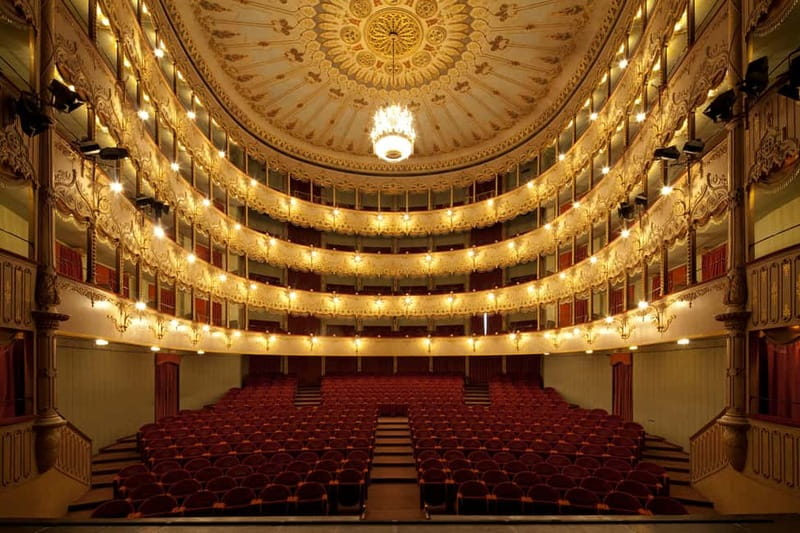
The Goldoni Theater is old, but the tour does not treat it like a fragile relic. Instead, you learn how the architecture supports performance and why certain choices matter for actors and audiences. That is the real value here. You do not just collect facts about a building. You learn what those facts mean for how theatre happens.
You will explore the theater’s history and architecture as part of the guided walk through its recognizable areas. Even without a long, technical lecture, you can come away with a sense of how older European theatres were designed to shape sightlines, sound, and atmosphere. And because this is still an active theatre space, you are not studying dead engineering. You are studying a structure that has worked for centuries.
I also like that the tour ties architecture to continuity. When a place has seen 400 years of ongoing activity, it is not only about what was built in 1622. It is about how the venue stayed usable enough to keep supporting performances, and how cultural needs kept evolving around it.
If you are the type who enjoys noticing details, this kind of explanation will help you see more than you would on your own. If you are not, you still benefit because the guide’s framing keeps the tour from turning into a blur of rooms and dates.
The same hours, spent on the water instead:
- Venice: Doge’s Palace Reserved Entry Ticket
★ 4.6 · 42,716 reviews - Venice: Grand Canal Gondola Ride with App Commentary
★ 4.1 · 23,020 reviews - Venice: Grand Canal Gondola Experience with Live Commentary™
★ 4.2 · 16,504 reviews - Boat Trip: Glimpse of Murano, Torcello & Burano Islands
★ 4.3 · 15,699 reviews - Venice: Burano, Torcello & Murano Boat Tour w/Glassblowing
★ 4.4 · 10,245 reviews
Carlo Goldoni’s reforms: the connection between a theatre and the plays it enables
This is where the tour gets extra interesting, because Carlo Goldoni is not presented like a distant textbook figure. The experience explains that his reforms were enabled by Venice’s cultural and social attitude, and that those changes were part of what led him to create immortal works and characters. Even if you only know one or two of his stories, the point becomes clear: theatre is shaped by rules, audiences, and space.
Think about it this way. A theatre can influence what performances feel natural, what kind of acting style fits, and how quickly audiences connect with characters. So when you hear about Goldoni’s reform work during your visit, you can start looking at the building as a collaborator. It is not just a location where plays happen. It is part of the machine that helps stories land.
The tour’s structure helps you hold this in your head. You get the building context first, then you get the cultural and artistic context. By the time you reach the parts about behind-the-scenes operations, the story becomes less abstract. You start to see how choices made centuries ago can still affect what happens today.
And because Goldoni’s characters have resonated on stages worldwide and in many languages, your visit also connects Venice theatre to a global tradition. You get a feeling for why this Italian venue still matters, even if you never attend a performance there during your trip.
Behind-the-scenes operations: the practical side of the spectacle
One of the nicest touches is that the tour includes behind-the-scenes operations, not just public rooms. You learn how the theatre functions as a working venue, which makes the visit feel less like sightseeing and more like theatre literacy. You also understand that what audiences experience onstage depends on a lot of work you typically cannot see.
There is a small-group advantage here. In a bigger group, backstage topics can turn into quick, generic answers. With a limit of 10 participants, you are more likely to receive clear explanations and follow-up details when you ask. That matters because theatre is full of moving parts, and a good guide can translate those parts into something you actually get.
The idea that you might want more time for behind-the-scenes is hinted at by one of the tour comments you can keep in mind as you plan. This is a 1 hour experience, so it gives you a taste rather than a full production deep dive. Still, that taste is useful. It helps you watch the next theatre performance you see with more context.
If your goal is simply to see the theatre and learn the basics, you will be satisfied. If your goal is a full staff-only walkthrough and long backstage access, this one might feel short. But for most visitors, the balance of history, architecture, and practical operations hits a good spot.
Price and value: why $11 works when the group stays small
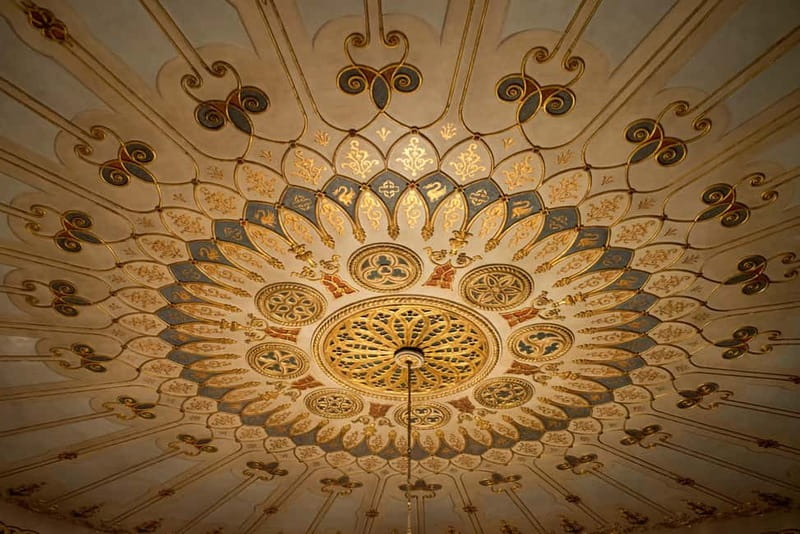
At $11 per person for a 1 hour guided entry, this is priced like an efficient, high-impact cultural add-on. In Venice, where prices can swing wildly, value often comes down to two things: how long you get, and how much you learn in that time. Here, you are paying for a live guide, guided access into the theatre, and a structured story that connects architecture to artistic reforms and backstage operations.
The small group limit of 10 helps justify the price more than a large “walk-and-look” tour would. When a guide can manage a compact group, explanations are clearer and less rushed. You also spend your time inside the theatre, not in long transit or waiting lines that eat up the hour.
There is also a practical angle: the tour meets right in front of the theatre’s main entrance. That reduces friction on a day when you may already be juggling walking distances and crowds. With the meeting point being direct and obvious, you are less likely to waste time searching.
So for value, I would measure it like this: you get entry plus a guided hour in one of Venice’s most historic working spaces, with bilingual live guidance in Italian and English. For the price, that is a solid deal.
When to go, and what kind of traveler this fits best
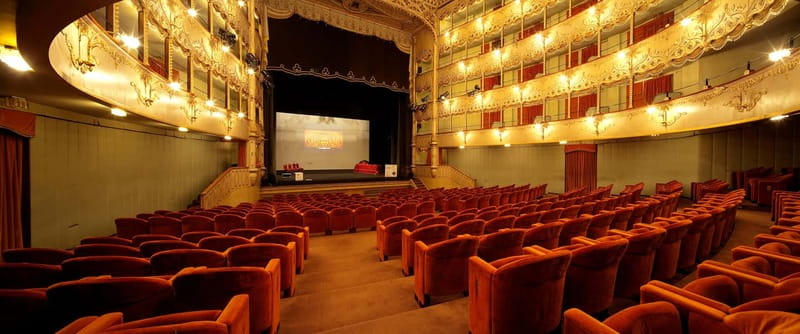
This tour is a good fit if you want a fast, meaningful cultural stop with a clear theme. It works especially well if you like theatre history, architecture, or explanations that connect art to real spaces. If you plan to see other Venice sights the same day, the 1 hour duration makes it easier to fit in without derailing your schedule.
It is also a smart pick for travelers who like small groups. With a limit of 10, the experience feels more human. You can listen closely and still participate without feeling like you are competing for attention.
Wheelchair accessibility is listed, which is a big plus for many visitors. The tour is also described as wheelchair accessible, so it is worth considering if you need an accessible cultural activity that still feels focused.
On the other hand, if you are traveling with heavy bags or a lot of gear, remember there is no cloakroom service. That one detail can change how enjoyable the visit feels, especially if you are carrying shopping bags or larger daypacks.
Finally, if you only want a backstage access experience, this is not positioned as a full production tour. It includes behind-the-scenes operations, but the overall structure is still a guided theatre visit that covers history and architecture in the hour you have.
Should you book the Venice Guided Tour Goldoni Theater?
Book it if you want an efficient hour that connects Venice’s theatre past to how theatre actually works. The standout value is the mix of iconic spaces, theatre architecture context, and the behind-the-scenes operations angle, all guided by a live professional in Italian or English. Add in the small group size, and you get a tour that feels easier to follow and more personal than many add-on sightseeing stops.
Skip it or reconsider if you need cloakroom service, or if you expect a long, full backstage walkthrough. For most people, though, the format and price make it an excellent way to experience a landmark with real continuity behind it, not just a photo stop.
If your Venice plan includes theatre, arts, or history, this is the kind of booking that gives you extra meaning while you are already in the city.
FAQ
Where does the Venice Goldoni Theater guided tour meet?
The meeting point is right in front of the theater’s main entrance.
How long is the Goldoni Theater guided tour?
The tour duration is 1 hour.
What is the price for the Goldoni Theater tour?
The price is $11 per person.
Is this tour offered in English and Italian?
Yes. The live tour guide is available in Italian and English.
How big is the tour group?
The tour is a small group limited to 10 participants.
Is the Goldoni Theater tour wheelchair accessible?
Yes, the tour is wheelchair accessible.
Is entry to the theater included?
Yes. You get into the theater and enjoy a guided tour.
Is there a cloakroom service available?
No cloakroom service is available. It is also noted as free for children under 6 and for those accompanying disabled people.
Are there cancellation options?
Yes. Free cancellation is available up to 24 hours in advance for a full refund.
Lately added around Venice

Guided, compared.
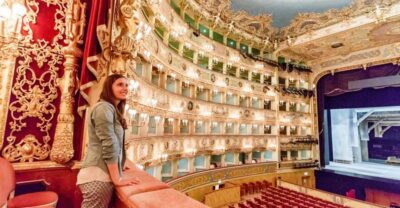
La Fenice Opera House Entry Ticket with Audio Guide
Read our review →
Murano & Burano: Boat Tour with Guide & Glass Factory Visit
Read our review →
Murano & Burano Islands Guided Small-Group Tour by Private Boat
Read our review →
Murano, Burano, Torcello: Tour with Guide & Glass Factory
Read our review →
Murano & Burano Guided Tour by Private Boat with Glassmaking
Read our review →
Venice Islands: Murano Glass & Burano Colors Guided Visit
Read our review →
Street Food Tour with a Local Guide and Tastings
Read our review →