

Reviewed · WALKING TOURS
Venice: Guided Walking Tour of Venetian Queer History
Venice has queer ghosts hiding in plain sight. This guided walking tour strings together LGBTQ history from the Middle Ages to today, using real Venice landmarks so the stories feel grounded, not like a lecture. You also get playful pop-culture moments, including where Madonna shot Like a Virgin.
I really like two things about how this tour is built. First, the guide, Valerio Coppo, brings first-hand Venice knowledge and keeps the group feeling lively even when it stays small. Second, you do not just learn queer figures, you also pick up Venice geography and architecture as you walk, so you leave with a clearer mental map.
One thing to consider: this is a walking tour on uneven, old-street Venice. It is not suitable for people with mobility impairments or wheelchair users, and the themes include persecution and harsh punishment, so it is not for those who want light, fluffy vibes.
In This Review
- Key Things I’d Prioritize Before You Go
- A Two-Hour Time Machine, Built for Venice Streets
- Meet the Guide at the Campo Well, Then Get Your Bearings
- Middle Ages Venice, Where Punishment Was Part of the Plot
- Cross-Dressing and Performance Clues, Including Cat Masks
- Rolandina to Later Centuries, How Condemnation Worked
- The 17th Century Grand Tour Angle, When Venice Became a Stop
- Belle Epoque Venice in Literature, Including Death in Venice
- Tracking Madonna Like a Virgin Filming Spots, With a Real Lion
- Who This Walk Is Best For
- Practical Planning, So You Enjoy the 2 Hours
- Value Check: Is $81 Worth It?
- Should You Book This Venice Queer History Walking Tour?
- FAQ
- How long is the Venice guided walking tour of Venetian queer history?
- Where do I meet the guide?
- What is the price per person?
- What topics does the tour cover?
- Does the tour include Madonna Like a Virgin filming locations?
- Which languages are available for the live guide?
- Is this tour a private or small group experience?
- Is the tour suitable for people using wheelchairs?
- Can I cancel for a refund?
- Can I reserve now and pay later?
Key Things I’d Prioritize Before You Go
- Rolandina (1354) in focus, including her story and what it reveals about gender and punishment in medieval Venice
- Cat masks and cross-dressing stories, which add texture beyond the usual dates and names
- A time-travel path from Middle Ages to 17th century Grand Tour attitudes and then Belle Epoque imagery
- Madonna Like a Virgin filming locations, including a note about a real lion and a gay-icon framing
- Small-group energy with tailored storytelling, plus a guide who also explains the city itself
More sestieri crossed bridge by bridge:

A Two-Hour Time Machine, Built for Venice Streets
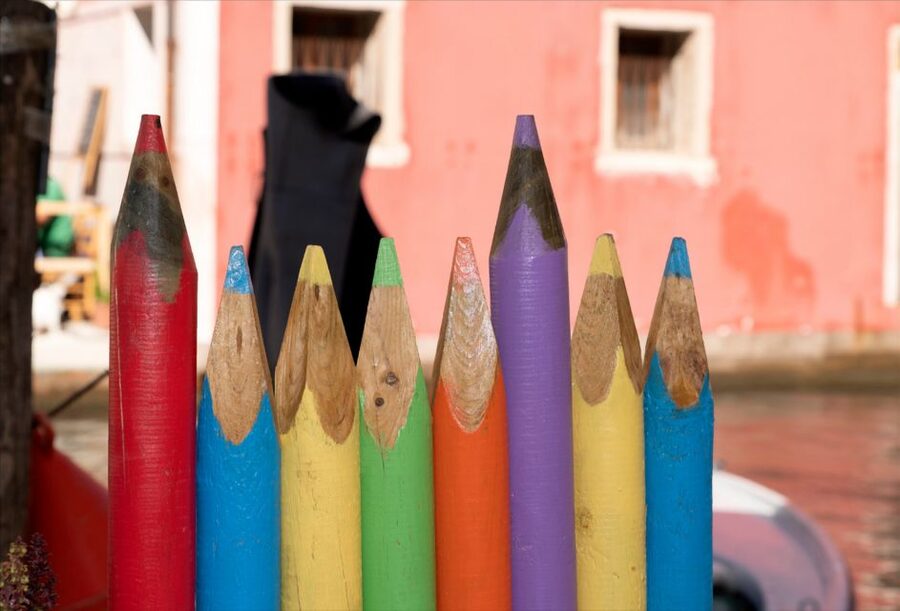
Venice is perfect for this kind of tour because the city is already a maze of canals, squares, and doorways. Instead of treating LGBTQ history like a separate topic, the walk ties it to the way Venice worked, policed, performed, and marketed itself across centuries.
The format also helps you get value fast. In 2 hours, you cover a wide span of time, but the pacing is set up for walking. You get the big story arcs, then you get specific details, like Rolandina and the distinctive tales around performance and disguise.
At $81 per person, the price makes sense when you think about what you’re buying: a guide who can connect queer themes to Venice places and explain why the city kept returning to similar ideas about identity and spectacle. For short stays, paying for a guided walk is often the quickest way to avoid wandering without context.
Meet the Guide at the Campo Well, Then Get Your Bearings
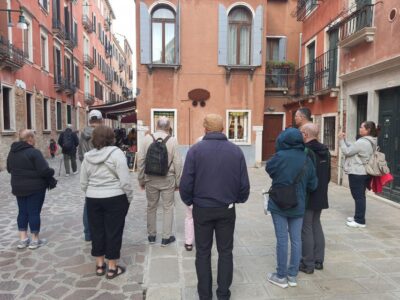
You meet your guide at the well in the Campo. That matters more than it sounds. Venice can confuse you immediately, so starting from a clear landmark helps you lock onto the route and reduces the stress of trying to find a meeting point while also trying to orient yourself.
Valerio Coppo, the guide named for this experience, is a Venice native with worldly experience. In practice, that means you get stories with local texture, not just bookish summaries. One of the most praised parts of the tour is how he keeps energy high even in a small group, while also adjusting the content based on what interests you.
Another bonus is that this is not only history. The tour also explains architecture and geography, and that turns random facades into evidence. When you understand what kind of building you are looking at, and where you are standing in Venice’s layout, the next stop lands harder.
Middle Ages Venice, Where Punishment Was Part of the Plot
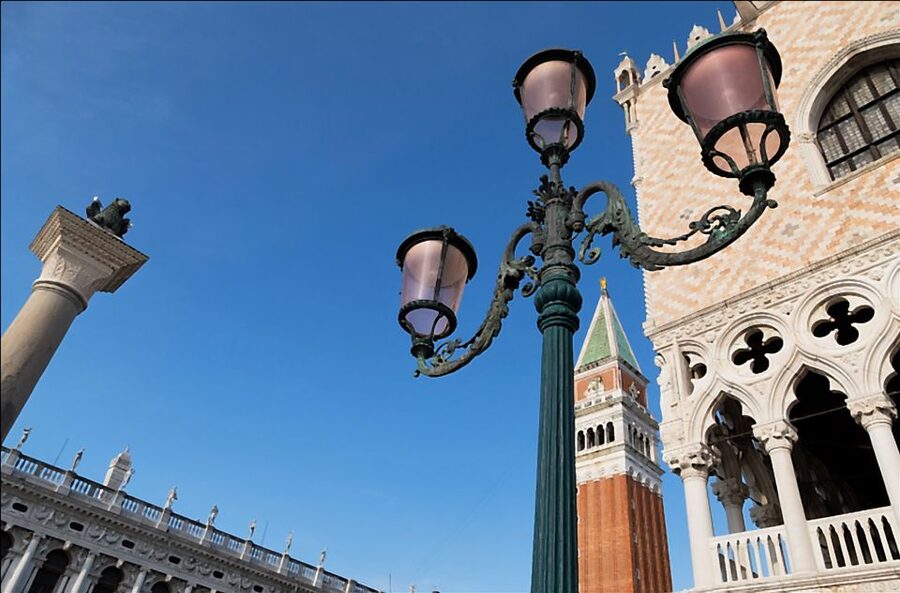
The tour’s starting point is the medieval city, when same-sex acts were treated as a major sin. The key idea you take away is not just that people were persecuted, but that punishment was publicly meaningful in Venice’s moral system and legal world.
You’ll hear about the severe consequences that local authorities imposed on gay or bisexual men. The point is sobering, and it also sets a baseline. Once you understand what was at stake in the Middle Ages, you can better see how later eras shifted, often without completely removing danger.
This is also where the tour brings in one of its most important names: Rolandina, described as the first known Italian transgender woman. You learn that she was burned at the stake in 1354. That detail is brutal, but it helps you understand how gender variance was not treated as a personal matter. It was seen as something that could threaten order.
A few more Venice outings worth comparing
- Venice’s Best: Basilica, Doge’s Palace, Gondola & History Gallery
★ 4.5 · 2,478 reviews - Venice: City Center Historical Guided Walking Tour
★ 4.2 · 1,873 reviews - Venice: The History of St. Mark’s Basilica Tour
★ 4.2 · 986 reviews - Venice: Bell Tower & St Mark’s Square History Gallery Ticket
★ 4.3 · 910 reviews - Basilica, Doge’s Palace, History Gallery & Bell Tower Option
★ 5.0 · 586 reviews
Cross-Dressing and Performance Clues, Including Cat Masks
One of the more distinctive parts of the experience is how it connects queer life to performance. You hear stories about cross-dressing in cat masks and other kinds of role play that were part of the way people expressed identity in public spaces.
This matters because it changes the way you interpret Venice. Instead of thinking of LGBTQ history as only hidden or only criminal, you start to see how performance and costume could blur boundaries, at least temporarily, in a city where festivals and pageantry were part of everyday life.
You do not need to treat these stories as simple fun. They are also clues about how people navigated social rules. In a place like Venice, where spectacle and image mattered, the line between disguise and expression could be thin.
Rolandina to Later Centuries, How Condemnation Worked
After the medieval foundation, you move through later periods where punishment continued for same-sex relations, affecting people across social status. The tour frames it as a long thread, not a one-off tragedy.
What I like about this section is the way it avoids making the past feel like a single blob. Even when the outcome was harsh, the story shows that Venice kept returning to the same question: what does the city allow people to be, and how does it enforce that?
As you walk, you also learn how the city’s changing priorities shaped attitudes. By the time you reach later centuries, the tour helps you see why some ideas about gender and sexuality could become associated with Venice tourism and art, even in a world that still had many reasons to fear exposure.
The 17th Century Grand Tour Angle, When Venice Became a Stop

The tour then jumps into the 17th century and the Grand Tour era. You’ll hear how Venice became one of the homosexual tourism destinations of that period, where visitors pursued certain fantasies and artistic images.
This part is valuable because it explains how attraction worked historically. Instead of treating tourism as modern invention, you learn how travel culture already had an edge of identity seeking, curiosity, and image-making.
If you like cultural history, you’ll probably appreciate the way this topic connects with what people wanted from Venice. Not just romance, not just scenery, but also a sense that Venice offered permission to imagine different selves, even if real life carried risks.
Belle Epoque Venice in Literature, Including Death in Venice
The story keeps moving into the Belle Epoque, when Venice became a stage for homosexual imagery in art and writing. You’ll hear about Thomas Mann’s Death in Venice, and Frederick Rolfe’s The Desire and Pursuit of the Whole.
I like this shift because it gives you language for what you might notice later when you see Venice portrayed in films and novels. The tour helps you understand why themes like longing, disguise, and idealized otherness show up again and again.
You also learn that Venice did not only generate these images. It also fought back at certain points. The tour includes the fascist attempt to “clean up” the city, which is a reminder that power often tries to manage public expression. In other words, the city’s LGBTQ visibility was never simply increasing. It rose and fell depending on who had control.
Tracking Madonna Like a Virgin Filming Spots, With a Real Lion
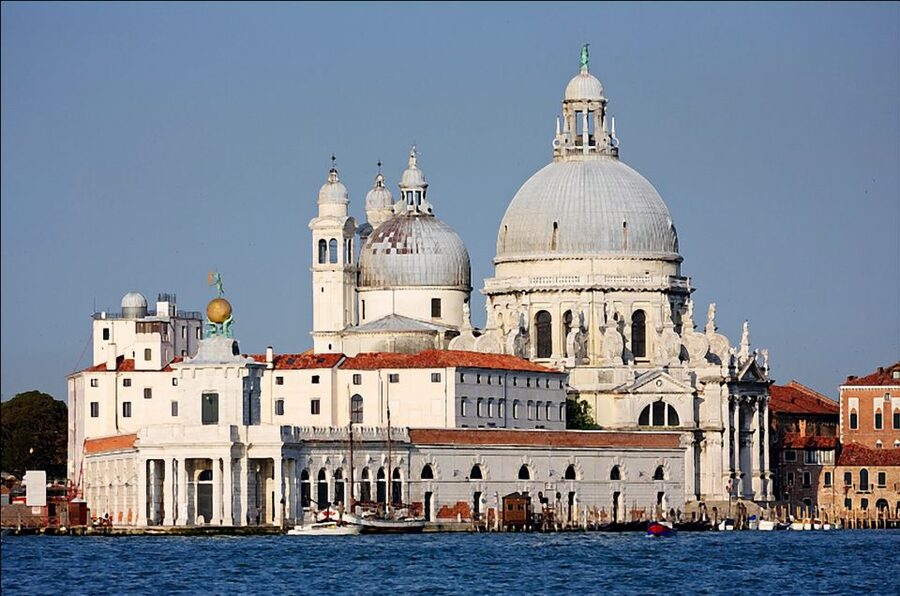
Then comes the fun, specific part: you follow the locations connected to the music video Madonna Like a Virgin shot in Venice. The tour highlights the idea of a real lion on site and a gay-icon framing for Madonna.
Even if pop music is not your main interest, this section is still useful. It shows how modern media borrows Venice atmosphere and symbolism. You get a practical way to see the city in real time, linking what you watch to where you stand.
This is also a good mental reset after heavier historical chapters. You can walk, look up, and connect a contemporary visual to the older themes the tour has been threading: performance, identity, and spectacle.
Just keep your expectations realistic. The tour does not promise a behind-the-scenes production tour. It is a guided walk that uses the city as a map for cultural references.
Who This Walk Is Best For
This tour fits best if you want your Venice experience to include human stories, not just architecture and canals. It is a strong choice if you care about LGBTQ history in Italy, and especially if you like history that includes named figures like Rolandina (1354) and themes like cross-dressing in cat masks.
It also works well if you enjoy mixing art, literature, and place. The references to Death in Venice and The Desire and Pursuit of the Whole give you handles you can carry into museums or later reading.
You should probably skip it if walking long distances on uneven pavement is a problem. The tour is not suitable for wheelchair users or people with mobility impairments. Also, the narrative includes persecution and burning at the stake, so it may feel emotionally heavy for anyone who wants only light entertainment.
Practical Planning, So You Enjoy the 2 Hours
The tour lasts 2 hours. That’s a sweet spot in Venice, where time gets eaten by walking between calli and waiting for views. Plan your day so you are not rushed afterward, and you will enjoy the pacing more.
Wear comfortable shoes. You will be on foot through a city known for irregular surfaces and narrow passages. Bring water if it is warm. Also, arrive a few minutes early so you can settle at the meeting point in the Campo and start with a calm mind.
Language options are a plus. The live guide is available in English, Italian, German, and Spanish. If you are a mix-language family or friend group, you can pick a language that helps everyone follow tightly, including the more specific historical references.
Value Check: Is $81 Worth It?
At $81 per person for 2 hours, you are paying for expert storytelling plus on-foot logistics. In Venice, that usually means you are not just buying information. You are buying interpretation of places you might otherwise pass without understanding.
Here is what makes it feel like value in this case:
- The guide links queer history to real geography and architecture, which improves your whole trip.
- You get a long timeline in a short walk, rather than needing multiple museum visits to cover the same themes.
- The tour includes both deep historical material and modern media references, which keeps the energy moving.
If you are the type who likes context and hates doing homework on your own, a guided walk like this is often worth it. If you only want casual sightseeing, you might prefer a shorter stop-based tour with fewer heavy topics.
Should You Book This Venice Queer History Walking Tour?
I think you should book it if you want LGBTQ history connected to where it actually happened, not just discussed in the abstract. The strongest reason is the guide approach, especially Valerio Coppo, who adds local detail and also explains the city while he covers the stories. You get both meaning and a better Venice map in your head.
I would not book it if you need wheelchair access or if you strongly prefer cheerful, light content. This is a human history with punishment and fear in the mix.
If your travel style is curious and you want Venice with more honesty, this 2-hour walk is a smart way to spend your time.
FAQ
How long is the Venice guided walking tour of Venetian queer history?
The tour duration is 2 hours.
Where do I meet the guide?
Meet your guide at the well in the Campo.
What is the price per person?
The price is $81 per person.
What topics does the tour cover?
The tour focuses on LGBTQ history in Venice from the Middle Ages to modern times, including stories about persecution and figures such as Rolandina, as well as the tour’s connection to Madonna Like a Virgin filming locations.
Does the tour include Madonna Like a Virgin filming locations?
Yes, the highlights include discovering the locations where the Madonna Like a Virgin music video was shot in Venice.
Which languages are available for the live guide?
The live tour guide is offered in English, Italian, German, and Spanish.
Is this tour a private or small group experience?
Private or small groups are available.
Is the tour suitable for people using wheelchairs?
No, it is not suitable for wheelchair users.
Can I cancel for a refund?
Yes, free cancellation is available up to 24 hours in advance for a full refund.
Can I reserve now and pay later?
Yes, you can reserve now and pay later, with the option to keep your travel plans flexible.
Lately added around Venice


Walking Tours, compared.
Doge’s Palace and St Mark’s Basilica Walking Tour
Read our review →
San Marco to Rialto Walk & Spritz Like a Local
Read our review →
Private 3 hrs Venice Tour: St Mark’s, Walking tour & Boat tour
Read our review →
Walking Guided Tour of the City Must-See Sites
Read our review →
Private Best of Venice Walking Tour with St Mark’s Basilica
Read our review →
Venice Sightseeing Small Group Walking Tour with a Local Guide
Read our review →Browse the lists this tour appears in