
Reviewed · WALKING TOURS
Venice Guided Walking tour
Venice can feel like a maze, until someone helps you read it. I really liked the small-group pace and the personal audio headset that kept the facts clear while we walked. The one thing to consider is that this is mainly an outdoor orientation, so it may not fully scratch the itch if you want lots of ticketed interior time.
What makes this tour work is the route choice. You start at St Mark’s Square, then you slip away from the heaviest crowds into calmer corners of Castello, where Venice actually feels lived-in.
It’s also built for real conditions. The tour runs in all weather, so you’ll want comfortable shoes, and if it rains, you should be ready to pause and listen from cover when the guide finds it.
In This Review
- Key things you’ll notice on this Venice guided walk
- Why This St Mark’s to Castello Route Works
- Starting at Piazza San Marco, Beyond the Postcards
- Campo Santa Maria Formosa: Local Venice in Plain Sight
- San Zanipolo and Colleoni: Power You Can See
- Marco Polo’s House Area: Merchant Venice Gets Personal
- Teatro Malibran Exterior: A Short Theater Chapter
- How the Guide Keeps You Oriented (And Audibly Included)
- Price and Time: Does $38.13 Deliver Value?
- Practical Tips: Shoes, Rain, and the €5 Access Fee Check
- Who This Tour Suits Best (And Who Should Skip It)
- Should You Book This Venice Guided Walking Tour?
- FAQ
- How long is the Venice guided walking tour?
- What language is the tour offered in?
- Where do we meet, and does it end nearby?
- What’s included in the price?
- Are food and drinks included?
- Does the tour run in bad weather?
- Is there a possible additional €5 access fee?
- How big is the group?
Key things you’ll notice on this Venice guided walk
- St Mark’s Square first, then an easy shift into quieter Castello streets so you’re not stuck in crowds the whole time
- Headset audio so you can hear your guide without leaning over the person next to you
- Campo Santa Maria Formosa gives you a bigger local-square feeling than you get from the postcard spots
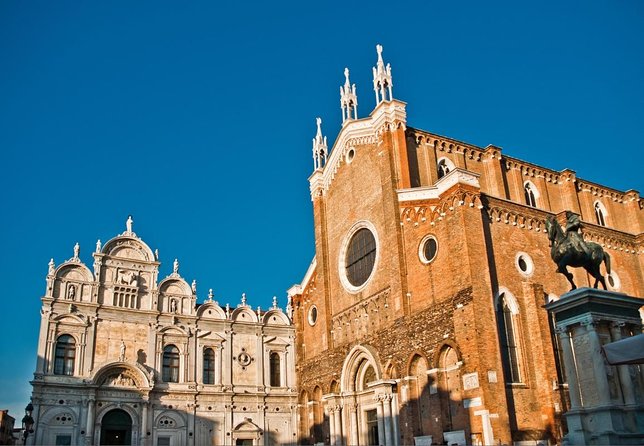
- San Zanipolo (Santi Giovanni e Paolo) connects Venice power to the marble and monuments you’ll see
- Marco Polo house area adds merchant-era context to the city’s architecture
- Teatro Malibran exterior only, so this is a quick cultural hit, not a long theater visit
More sestieri crossed bridge by bridge:


Why This St Mark’s to Castello Route Works
St Mark’s Square is where most people start, and it can be loud, crowded, and a little overwhelming. What I like about this walk is that it uses that famous starting point as a launchpad, then helps you get your bearings fast by moving you into calmer neighborhoods.
You’re walking with a professional guide and a set of headsets, which matters in Venice. Even when the group slows for bridges and narrow calli, you can still follow the story without competing with street noise.
The pace stays friendly, with a mix of short photo moments and focused explanations. If you’re trying to understand what you’re looking at, this structure is a good fit.
Starting at Piazza San Marco, Beyond the Postcards
You begin in St Mark’s Square, the heart-shaped stage of Venetian power. The guide starts with the big architectural story, pointing out how the square developed and why the buildings there mattered so much to the Republic of Venice.
Expect stops that connect the dots visually. You’ll learn about St Mark’s Basilica, the Doge’s Palace, and the Renaissance-era clock tower you can spot in the square’s scene. Even without turning this into a ticket-heavy day, the explanations help you see these landmarks as parts of one political and artistic system, not separate random monuments.
One practical detail I appreciate: you get context first, then you move on. That means when you later see symbols, facades, and civic spaces in smaller squares, you’ll know what to look for.
Campo Santa Maria Formosa: Local Venice in Plain Sight
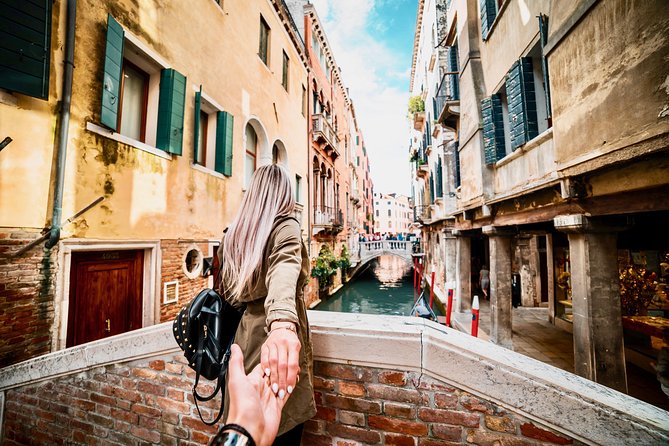
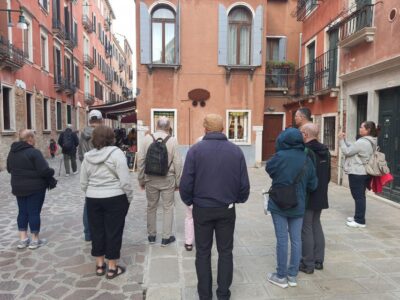
After you leave the square, the tour turns into a Castello wander. This is where the mood changes. Instead of constant gawking at the big sights, you follow a guide through calli (narrow lanes), bridges, and campi (open squares) that feel more like neighborhoods.
Campo Santa Maria Formosa is one of the larger squares in the area, and it gives you a real sense of how Venice distributes everyday space. The church here is named for its dedication connected to the Visitation of the Holy Virgin, and your guide uses that to talk about how religious identity ties into local life.
The best part is how this stop resets your expectations. You’re not just seeing Venice, you’re getting a sense of where people actually gather. If you want your photos to look less like a theme park, this section helps a lot.
A few more Venice outings worth comparing
- Venice: La Fenice Opera House Entry Ticket with Audio Guide
★ 4.6 · 11,742 reviews - Murano & Burano: Boat Tour with Guide & Glass Factory Visit
★ 4.3 · 10,716 reviews - Murano & Burano Islands Guided Small-Group Tour by Private Boat
★ 4.5 · 7,580 reviews - Murano, Burano, Torcello: Tour with Guide & Glass Factory
★ 4.4 · 6,187 reviews - Murano & Burano Guided Tour by Private Boat with Glassmaking
★ 4.7 · 5,658 reviews
San Zanipolo and Colleoni: Power You Can See
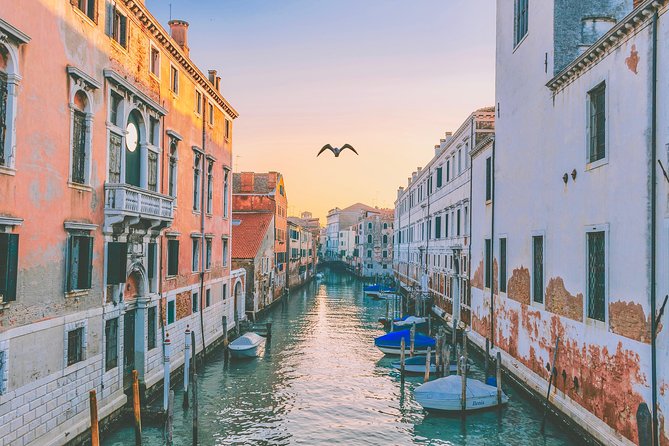
Next you head to Basilica dei Santi Giovanni e Paolo, known as San Zanipolo. This church matters because it links directly to Venice’s ruling class. Your guide highlights it as the resting place of several Doges, so the architecture becomes a map of political history.
Then there’s the equestrian monument of Bartolomeo Colleoni, an Italian mercenary captain. That detail is the kind of contrast I love in Venice. The city’s stories aren’t only about saints and merchants, they’re also about military clout and the people who made power happen.
This stop works especially well if you enjoy learning how monuments communicate status. Even if you’re moving quickly, you’ll come away with a stronger mental model of how Venice used art and stone as a language.
One small consideration: this section is about seeing and understanding, not lingering for a long visit. If you want hours inside major churches, you may still want another day dedicated to that.
Marco Polo’s House Area: Merchant Venice Gets Personal
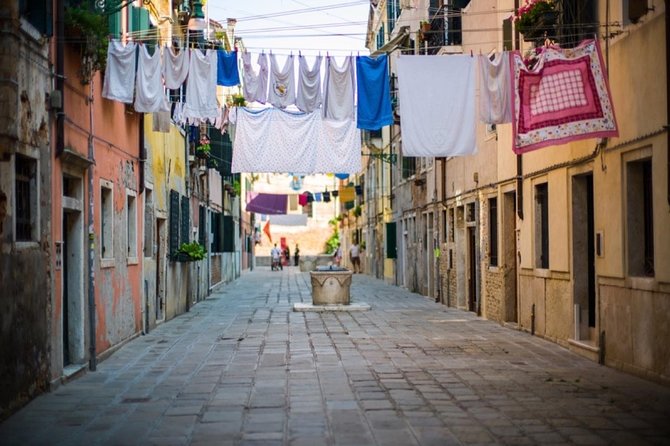
From here, the walk shifts toward Marco Polo’s former residence in Corte Seconda del Milion. It’s one of those places where Venice becomes more human and less purely ceremonial.
Marco Polo is, of course, the best-known Venetian merchant in popular imagination, and the guide uses that fame to explain what merchant life meant for the city. You’re essentially learning how Venice built wealth through trade, and how that wealth showed up in neighborhoods, architecture, and the way the city organized itself.
This stop is a helpful counterweight to St Mark’s Square. The square is state theater. Marco Polo’s presence, and the context around it, brings you closer to the practical engine that fed Venetian ambition.
If you’re the kind of person who likes history but gets bored by long lectures, this segment still moves quickly and keeps you focused on what you’re seeing.
Teatro Malibran Exterior: A Short Theater Chapter

The tour includes the Teatro Malibran, but only from the outside. That might sound limiting, but it’s actually a smart way to add cultural context without turning the walk into a slow ticket quest.
Your guide explains that the theater of San Giovanni Grisostomo was built at the end of 1677, in a remarkably fast period of four months. Later it was renovated multiple times, and the 1919 renovation shaped the version you see today.
This is the kind of stop that’s perfect if you want a quick cultural layer. You’ll glance at the building, then the guide gives you a short timeline that helps you place it in the city’s broader rhythm of change.
How the Guide Keeps You Oriented (And Audibly Included)
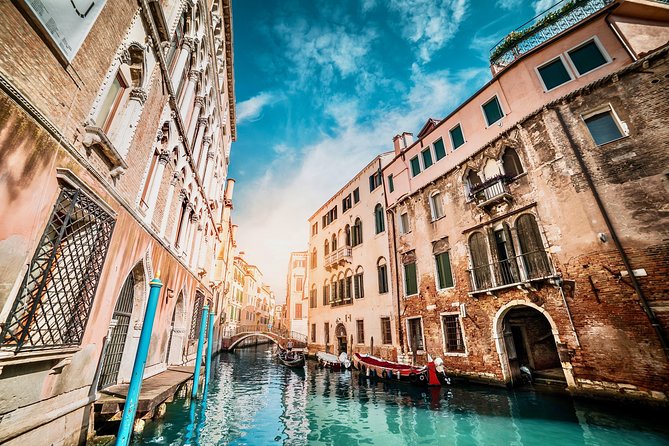
A guided walk in Venice can either feel like chaos or like clarity. The strongest part here is the combination of audio headsets and a guide who gives directions in a way that works with the city’s tight spaces.
The headset setup is a real comfort. When you’re in a crowd, sound carries weirdly off stone and water, and it’s easy to miss details. With the headset, you can listen like you’re on a city tour, not like you’re trying to overhear your way through history.
In rain, this tour also has a workable approach. One review noted that the guide used opportunities to find covering so explanations could continue, and that matches what you should expect from a tour designed to run in all weather.
Also, this is capped at a maximum of 20 people. That small size is a big deal in Venice, where a larger group can stretch out and turn your walk into a game of catch-up.
Price and Time: Does $38.13 Deliver Value?
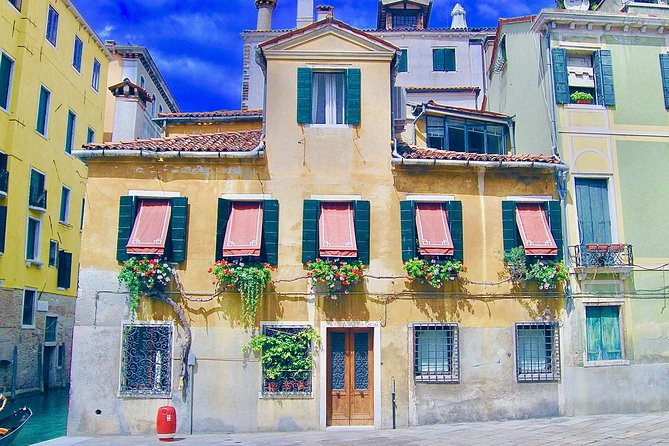
Let’s talk money honestly. At $38.13 per person for about two hours, you’re not buying a deep dive. You’re buying an organized start, the kind that helps you enjoy the rest of your days without constantly asking where to go next.
For me, the value comes from three things you can’t easily replicate on your own on the first morning:
- You get a logical flow from St Mark’s to Castello
- You get interpretation, not just a list of landmarks
- You get audio support that keeps the walk comfortable
The downside is also tied to expectations. If you’re hoping for long interior time at multiple major sites, this tour may feel too short. One point that showed up in the feedback is that some people thought it was not exceptional for the price, which is reasonable if you measure value by how much time you spend inside.
My advice: treat it as orientation plus context. Then plan a second pass on your favorite streets or buildings later, when you can slow down.
Practical Tips: Shoes, Rain, and the €5 Access Fee Check
Venice rewards good shoes. Even on an easy, paced walk, you’ll be stepping over uneven ground and crossing bridges. Go with comfortable footwear you trust.
Dress for weather. The tour operates in all weather, so bring a rain layer if the forecast looks iffy. The guiding approach includes finding cover when needed, which is exactly what you want.
There’s also a possible extra cost on certain dates: a €5 access fee may apply if you’re staying outside Venice and visiting for the day. The details and exemption list depend on the day, so check the rules at cda.ve.it before you go.
Who This Tour Suits Best (And Who Should Skip It)
This guided walk is ideal if you want:
- A first-time Venice orientation that connects major landmarks to neighborhood streets
- A route that trades some crowds for calmer Castello corners
- An English-guided explanation that you can actually hear thanks to the headset system
- A small-group experience that stays manageable at around two hours
It might not be the best match if you:
- Want lots of time inside major churches or palaces during one outing
- Prefer independent wandering with minimal structure
- Are looking for a longer day that covers more neighborhoods and sites
Should You Book This Venice Guided Walking Tour?
If you’re spending a short amount of time in Venice, I’d book it. It’s a smart way to get oriented, learn how Venice’s power and everyday life connect, and leave with a clearer sense of what you want to revisit.
If you already know Venice well and you hate guided groups, you might find it too basic. But if you’re aiming to make your first days feel less like guesswork, this is a practical start with good audio support and a route that actually spreads you across different parts of the city.
FAQ
How long is the Venice guided walking tour?
The tour runs for about 2 hours.
What language is the tour offered in?
This tour is offered in English, and it can also be provided in French, German, and Spanish.
Where do we meet, and does it end nearby?
You meet at TU.RI.VE. Meeting Point, Calle larga de l’Ascension, 30124 Venezia VE, Italy. The tour ends back at the meeting point.
What’s included in the price?
It includes a professional guide, personal audio system with headset for commentary, and pick-up from the centrally located meeting point.
Are food and drinks included?
No, food and drinks are not included.
Does the tour run in bad weather?
Yes, it operates in all weather conditions, so you should dress appropriately.
Is there a possible additional €5 access fee?
On certain dates, visitors staying outside Venice and visiting for the day may need to pay a €5 access fee. Check the applicable dates and exemptions at cda.ve.it.
How big is the group?
The group size is capped at a maximum of 20 travelers.
Lately added around Venice




Walking Tours, compared.
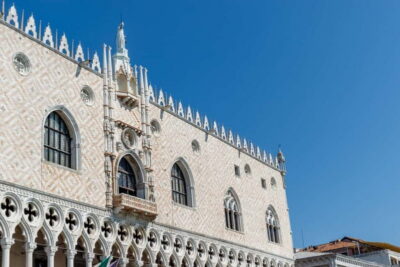
Doge’s Palace and St Mark’s Basilica Walking Tour
Read our review →
San Marco to Rialto Walk & Spritz Like a Local
Read our review →
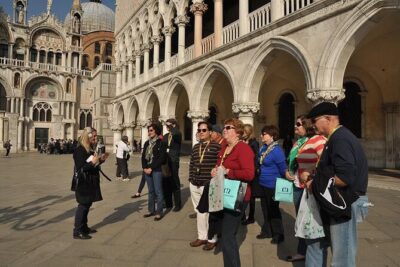
Private 3 hrs Venice Tour: St Mark’s, Walking tour & Boat tour
Read our review →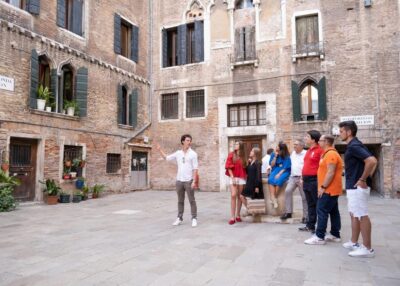
Walking Guided Tour of the City Must-See Sites
Read our review →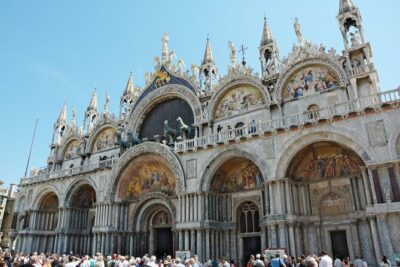
Private Best of Venice Walking Tour with St Mark’s Basilica
Read our review →
Venice Sightseeing Small Group Walking Tour with a Local Guide
Read our review →Browse the lists this tour appears in