
Reviewed · JEWISH GHETTO GUIDED WALKS
Venice: Jewish Ghetto Walking Tour with Synagogues Visit
Venice gets real in the Jewish Ghetto. This 2-hour walk goes beyond postcard Venice and shows you how the Ghetto shaped daily life, brick by brick, square by square.
I love two things most. First, the story is built around specific places, like Campo del Ghetto Nuovo and the bas-reliefs you will not notice on your own. Second, you get a guided visit to the Spanish Synagogue and the Levantine Synagogue with Jewish Museum expertise.
One possible drawback to plan for: the area is small, so you’ll spend time standing while your guide explains the sites, and meeting up can be a little fiddly if you do not arrive early.
In This Review
- Key things that make this tour worth your time
- A 2-hour Jewish Ghetto walk that turns Venice into a living lesson
- Campo di Ghetto Nuovo start: dress code and rules you should know
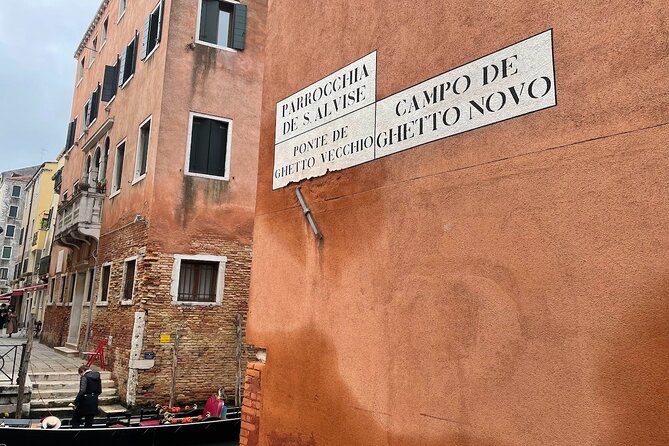
- Ghetto Ebraico and Cannaregio: Hebrew signs that reset your mental map
- Ghetto Vecchio and Ghetto landmarks: the neighborhood feel is part of the point
- Campo del Ghetto Nuovo: the bas-reliefs and the story of confinement
- The Levantine and Spanish Synagogues: where the tour earns its emotional weight
- How the guides make the story click (even when you’re not a history person)
- Napoleon, the gates coming down, and why the ghetto never really disappears
- Timing and pacing: what 2 hours can realistically cover here
- Price and value: is $88.10 fair for what you get?
- Who this tour suits best, and who might want a different plan
- Should you book this Venice Jewish Ghetto tour?
- FAQ
- What’s the duration of the Venice Jewish Ghetto walking tour?
- How much does the tour cost?
- What’s included in the price?
- Is the Jewish Museum interior visit included?
- Are there any dress code requirements for the synagogues?
- What should I know about Fridays?
Key things that make this tour worth your time
- Jewish Museum-led synagogue access to the Spanish and Levantine Synagogues, with tickets handled for you
- Bas-reliefs at Campo del Ghetto Nuovo, a detail most visitors miss completely
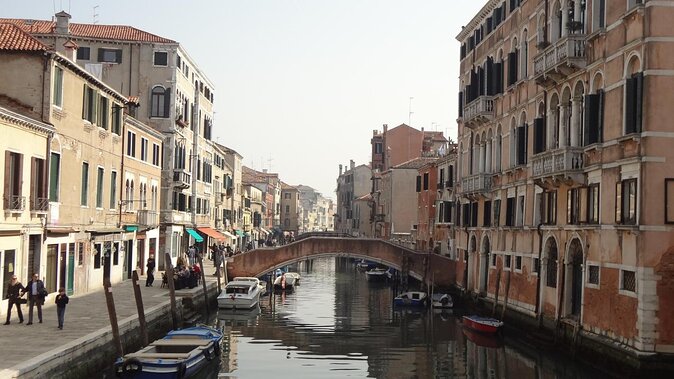
- A guided route through Cannaregio and Ghetto Vecchio, not just the most obvious viewpoints
- Memorial stops and hard history explained in a respectful way that stays grounded
- Max 10 people, which makes it easier to ask questions and actually hear the guide
Other walks through the Ghetto:


A 2-hour Jewish Ghetto walk that turns Venice into a living lesson
If you only see Venice from bridges and canals, you miss a huge layer of the city. This tour takes you into the Jewish Ghetto area and makes the history feel physical, because you’re standing where laws were enforced, where community life continued, and where key buildings still hold meaning today.
The pace is steady and human. You’re not racing through stops. Instead, the guide connects the geography to the story, from the fortified island idea to the later changes that let Jewish residents live more widely across the city.
Campo di Ghetto Nuovo start: dress code and rules you should know
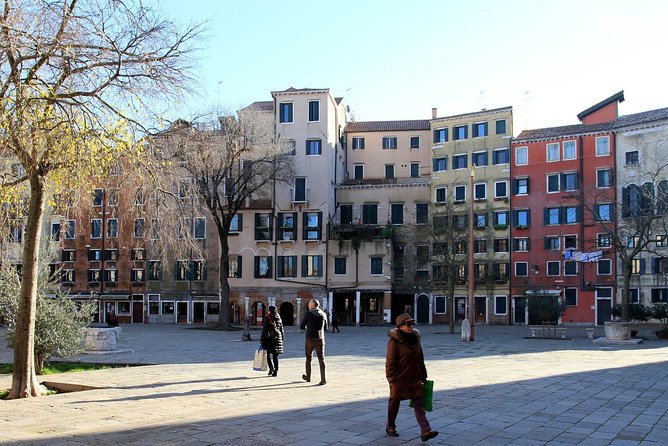
You meet at Campo di Ghetto Nuovo, 30121 Venezia VE, Italy, and the walk ends back at the same meeting point. Plan to arrive 5 to 10 minutes early, because this is one of those tours where catching up mid-stream is not possible.
Dress matters for the synagogue visits. Both men and women need clothing that covers the belly, shoulders, and knee. Also keep it practical. You’ll be outdoors walking and then inside for synagogue viewing, so comfy shoes help.
There are also strict rules inside. Carrying weapons or sharp objects is not allowed. And if you’re thinking about Friday planning, note one key detail: the Levantine Synagogue is not included on Fridays.
Finally, this runs in English and is limited to a maximum of 10 travelers, which is a big deal in Venice. Smaller groups mean fewer “wait, can I hear you?” moments.
Ghetto Ebraico and Cannaregio: Hebrew signs that reset your mental map
The experience begins in the wider Jewish Ghetto area, with a local guide leading a small group through the Ghetto Ebraico and into the Cannaregio district. The big idea here is simple: once you enter the right streets, you start seeing proof of Jewish presence right away, including Hebrew and Italian signage pointing you toward the synagogue.
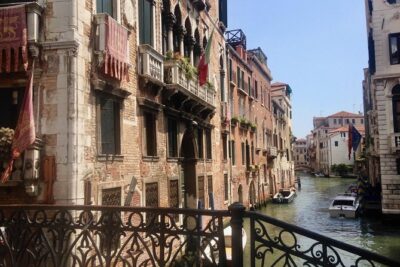
In a city that can feel like one long museum, this neighborhood feels more like a community with history. You’re walking through streets that locals recognize as home, not only as a sightseeing stop.
One practical benefit of starting here: your guide gives you the framework before you reach the emotional center of the story. That makes later stops hit harder, because you’re not just collecting facts, you’re tracking how the rules changed daily life.
More sestieri crossed bridge by bridge:
- Venice: Doge’s Palace and St Mark’s Basilica Walking Tour
★ 4.4 · 6,291 reviews - Venice: San Marco to Rialto Walk & Spritz Like a Local
★ 4.2 · 3,651 reviews - Venice Walking Tour and Gondola Ride
★ 3.5 · 3,630 reviews - Private 3 hrs Venice Tour: St Mark’s, Walking tour & Boat tour
★ 4.0 · 3,372 reviews - Venice: City Center Historical Guided Walking Tour
★ 4.2 · 1,873 reviews
Ghetto Vecchio and Ghetto landmarks: the neighborhood feel is part of the point
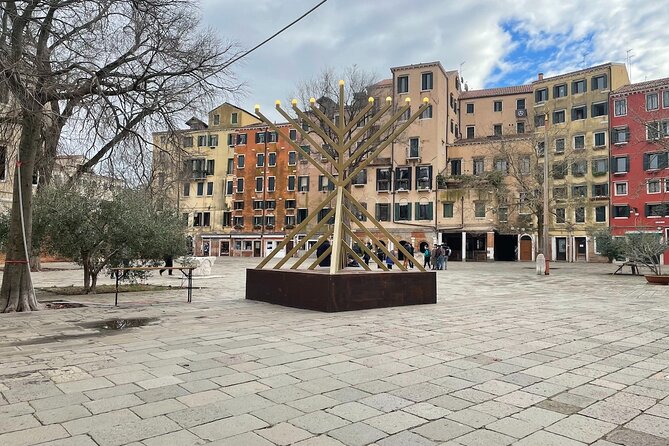
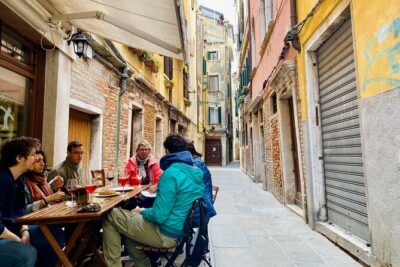
After the first walk-through orientation, you move toward Ghetto Vecchio (Old Ghetto). This is where artisan workshops, galleries, shops, and delis shape the feel of the area. You do not get an “only monument” experience. You get the texture of a district that still functions.
Because the area is compact, the tour is designed for slow attention. Your guide points out landmarks and explains why they matter, then lets the streets do some work too. If you like seeing what a neighborhood looks like on an ordinary day, this part will please you.
Campo del Ghetto Nuovo: the bas-reliefs and the story of confinement
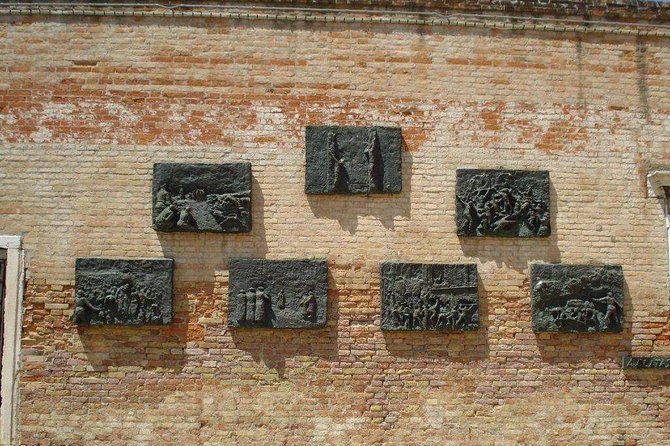
Crossing into Campo del Ghetto Nuovo is a turning point. This square was founded as a fortified island in 1516, and your guide explains how and why Venetian Jewish life was confined there. You’ll hear how the island became densely populated and how physical boundaries enforced community reality.
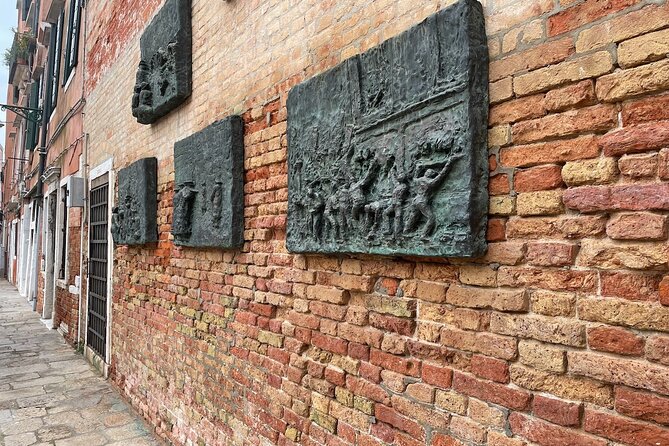
One of the tour’s most praised details is the set of bas-reliefs in Campo del Ghetto Nuovo. Your guide explains what they represent and why they matter for understanding the ghetto’s visual language. This is the kind of detail that you might see and still not understand on your own, especially in a city where you’re constantly watching for bridges and canal turns.
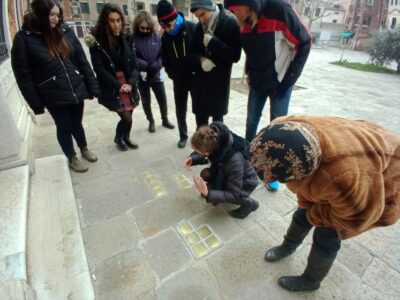
There’s also a somber rhythm to the route. You walk past key sites that anchor the darker chapters of Jewish life in Venice, including the Deportation Memorial and nearby synagogue-related landmarks and the Jewish Museum of Venice exterior area. The tone is respectful, with history presented clearly instead of sensationally.
The Levantine and Spanish Synagogues: where the tour earns its emotional weight
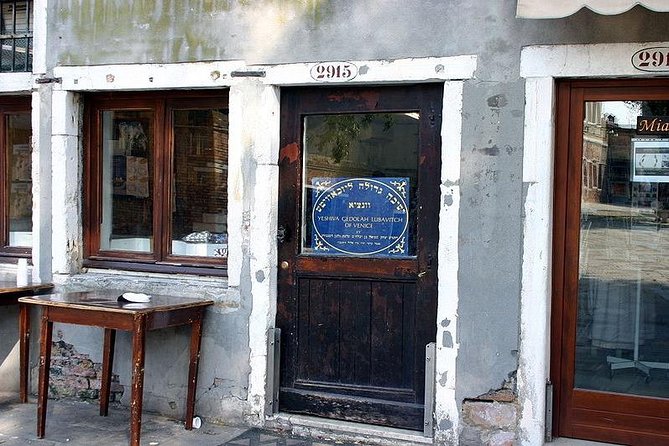
The highlight for many people is getting inside the synagogues. The tour includes a visit to both the Levantine Synagogue and the Spanish Synagogue, led by expert guides from the Jewish Museum.
This is where the experience shifts from street history to lived tradition. You’re not just hearing about the ghetto as a closed world. You’re seeing a physical space where identity, prayer, and community were expressed. The guides on the synagogue side do a strong job of connecting architectural details and historical context to meaning.
Two practical notes.
First, synagogue tickets are provided by your guide, so you are not scrambling on the street.
Second, the Jewish Museum itself is under restoration and closed to visitors, so the value here is the synagogue access and guided interpretation, not a museum walkthrough.
How the guides make the story click (even when you’re not a history person)
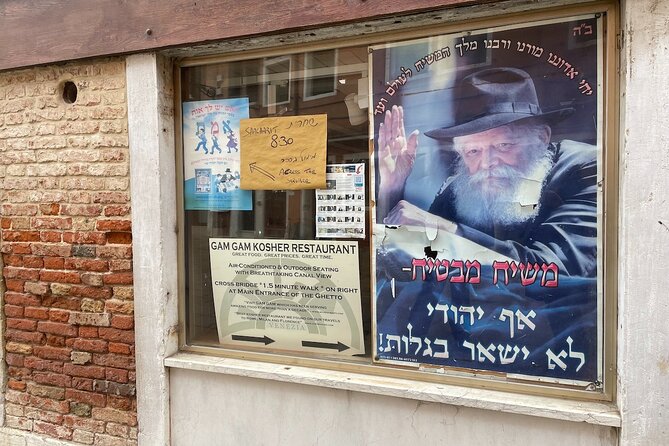
The biggest compliment people give this tour is about the guide. I’ve seen a pattern in the names and styles that lead to great experiences, like Alicia, Claire, Sylvia, Christina, Isabella, and Paola, each described as enthusiastic and effective at communicating the story.
What you should expect from a strong guide here is not just facts. It’s pacing. The guide explains why each location matters, then gives you time to look. When the information is timed well, you stop thinking you’re “touring” and start feeling like you’re understanding a place.
You also get a good chance to ask questions, which matters because the ghetto story can be complex. If you’ve got curiosity about customs, community organization, or how laws changed daily life, this is the part where your questions can actually find answers.
Napoleon, the gates coming down, and why the ghetto never really disappears
In the second half, the narrative turns toward change. Your guide explains how Napoleon tore down the gates of the Jewish Ghetto, finally granting Jews the right to live anywhere in Venice.
That does not mean the ghetto vanished. Instead, the district kept its character and reputation, with Jewish culture remaining visible through bakeries, restaurants, and handicraft shops. You get the idea that history isn’t frozen. It transforms.
This ending section brings you back to the idea of resilience. You’re walking past historic buildings and centuries-old landmarks while your guide ties what you’re seeing to the theme of tradition and cultural identity in Venice. It’s a closing loop that helps the earlier confinement story land in your mind as part of a longer arc, not a single tragedy and then nothing.
Timing and pacing: what 2 hours can realistically cover here
Two hours in the ghetto sounds short, and in a compact neighborhood, it’s easy to spend a lot of time standing. Some groups get stuck in the “listen, stand, listen” rhythm if the weather is tough or if the guide is explaining from one spot too long.
To make the most of it, come prepared to stand a bit. Wear layers, especially if it’s cold or rainy. If you’re someone who hates waiting, you can still manage it by bringing a notebook or phone for quick notes, and by asking your guide to point out what to look for visually as you walk.
The good news: when the pacing is right, you’re not bored. You’re tracking a story you can actually see. And because the synagogues are included, a big chunk of the tour is not just outdoor listening.
Price and value: is $88.10 fair for what you get?
At $88.10 per person for about 2 hours, the price is not cheap. But it starts to look reasonable when you break down what’s included.
You get a professional local guide, a structured walking tour through the ghetto and surrounding district, and a synagogue tour led by the Jewish Museum. Synagogue visits are the expensive part for many operators in Europe, mainly because access is limited and guides need to be scheduled and ticketed properly. In this case, synagogue tickets are handled for you.
Also, the group size stays small, up to 10 travelers, which usually improves the experience you actually have, especially for a history topic where questions matter.
Where you’ll judge value is whether you want the emotional, interpretive side, not just photos. If you like guided context, this tour is strong value. If you want a long, independent wander with lots of free time to shop and snack, you might feel the tour is tighter than you prefer.
Who this tour suits best, and who might want a different plan
This experience fits best if you want more meaning than monuments. It’s also a solid pick for mixed groups, since it explains Jewish history and customs through place and architecture, not through assumptions about what you already know.
If you’re visiting Venice for the first time and want a “real Venice” angle that isn’t only canals and cathedrals, this is a smart contrast. The ghetto district is compact, so the walk is manageable, and your guide helps you see connections quickly.
It may feel less satisfying if you’re hoping for lots of open-ended wandering. Since you’re following a guided sequence and stopping for explanation, you should be comfortable with guided time that includes standing.
Should you book this Venice Jewish Ghetto tour?
Book it if you care about understanding place. This tour gives you guided synagogue access to the Levantine and Spanish Synagogues, adds the story of confinement at Campo del Ghetto Nuovo, and keeps the district’s everyday feel in view through Ghetto Vecchio and nearby streets.
You might skip it if you strongly dislike standing on cold days, because part of the format is listening at key points. You may also want to compare options if you are sensitive to communication clarity, since a few experiences can hinge on how easy the guide is to hear and understand in an active street setting.
If you do book, arrive early at Campo di Ghetto Nuovo, dress for synagogue rules, and bring comfortable shoes. Do those three things and you’ll get the full payoff: a guided story you can actually walk through.
FAQ
What’s the duration of the Venice Jewish Ghetto walking tour?
It runs for about 2 hours.
How much does the tour cost?
The price is $88.10 per person.
What’s included in the price?
You get a professional local guide, a 2-hour walking tour of the ghetto, and a synagogues tour led by the Jewish Museum. The synagogue visit includes the Spanish Synagogue and Levantine Synagogue.
Is the Jewish Museum interior visit included?
No. The tour includes synagogue access and guided interpretation, but the Jewish Museum of Venice is under restoration and closed to visitors, so you do not get an interior museum visit.
Are there any dress code requirements for the synagogues?
Yes. Both men and women must wear clothing that covers the belly, shoulders, and knee for the synagogue visit.
What should I know about Fridays?
The Levantine Synagogue is not included on Fridays.
Lately added around Venice




Jewish Ghetto Guided Walks, compared.
Jewish Ghetto Walking Tour with Synagogue Visits
Read our review →
Jewish Ghetto & Cannaregio Area Food Tour: Pasta Wine Gelato and More!
Read our review →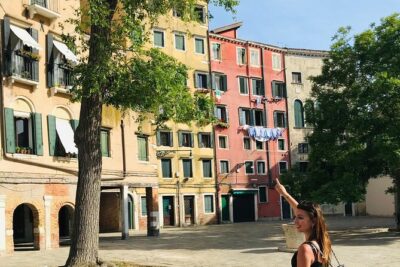
Small-Group Walking Tour of the Jewish Ghetto in Venice
Read our review →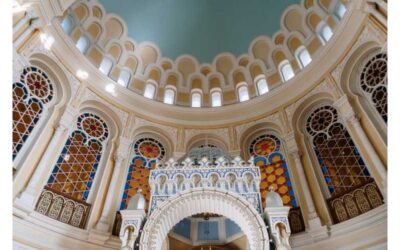
Venice Jewish Ghetto and Cannaregio Food, Wine, Sightseeing Tour
Read our review →Venice Guided Tour of Synagogues and Ghetto Area
Read our review →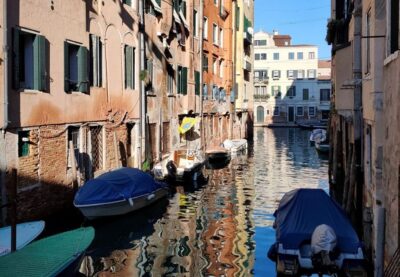
Browse the lists this tour appears in