Reviewed · TOURS
Venice: La Fenice Theater Tour
La Fenice turns opera history into reality. I love the gilded interior and I especially love how the tour explains world-class acoustics. One possible drawback: it is a shared, 1-hour format, so you will follow the group pace and not linger in every corner.
You start at Campo San Fantin at the entrance of Teatro La Fenice, then the guide’s talk happens inside the theater. The English tour is led by a live guide, and the experience gets consistently high marks for clear explanations and a comfortable pace, including guides like Alberto.
In This Review
- Key moments worth planning for
- First impression: the modest exterior, then the chandelier shock
- Inside the phoenix: fires, rebuilding, and the meaning of La Fenice
- Rossini and Bellini: why premieres here mattered
- The auditorium experience: sitting where the sound lands
- Behind the scenes: daily operations, not just sightseeing
- Modern La Fenice: the house keeps premiering new work
- The tour format: shared group, one-hour pace, English guide
- Price and value: why $77 can make sense for a Venice one-liner
- Who should book this La Fenice tour
- Practical tips that help on the day
- Should you book Teatro La Fenice?
- FAQ
- How long is the Teatro La Fenice guided tour?
- Where do I meet for the tour?
- Is the tour in English?
- What is included in the price?
- Is transportation included from my hotel?
- Is this tour wheelchair accessible?
- What do I need to bring?
Key moments worth planning for
- The phoenix story (fires in 1836 and 1996), and why the name La Fenice matters beyond poetry
- Gilded, red-velvet drama once you step through the doors, even if the outside looks modest
- A real seat in the auditorium, with time to understand why the sound carries
- Rossini and Bellini premieres, including Tancredi, Semiramide, I Capuleti e i Montecchi, and Beatrice di Tenda
- Opera today too, with the house spotlighting modern premieres like Stravinsky and Britten
Weighing this against the rest? These sit a few bridges away:

First impression: the modest exterior, then the chandelier shock
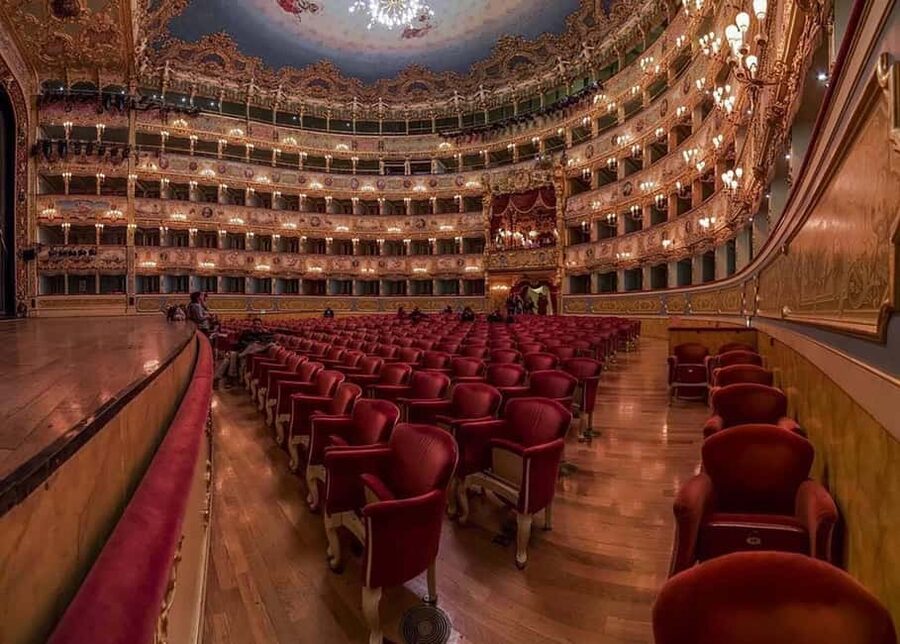
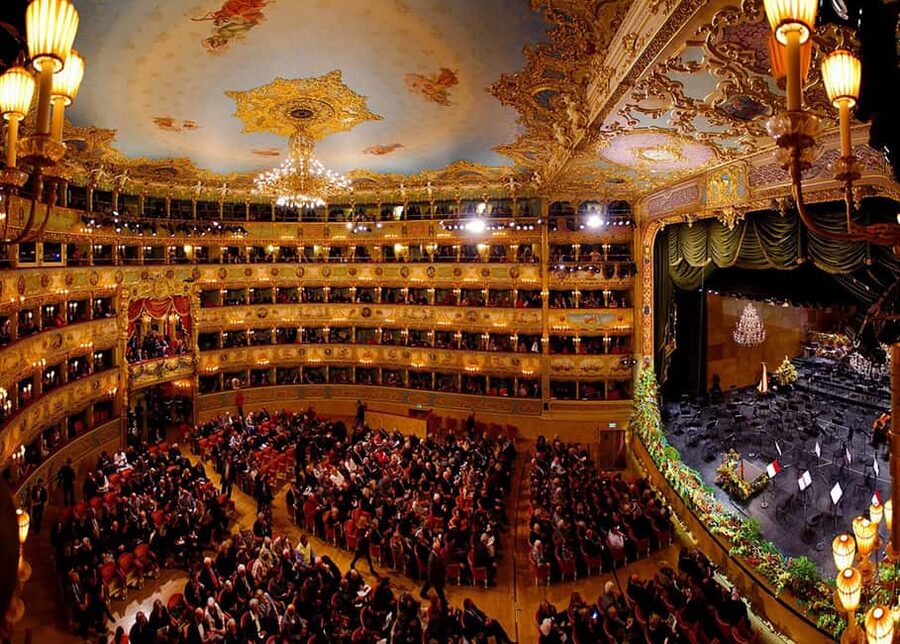
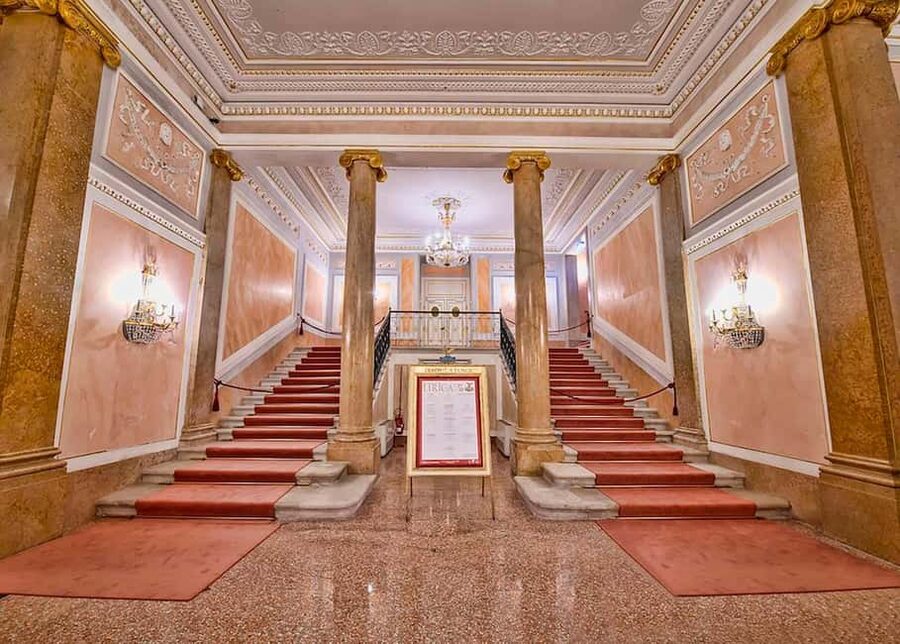
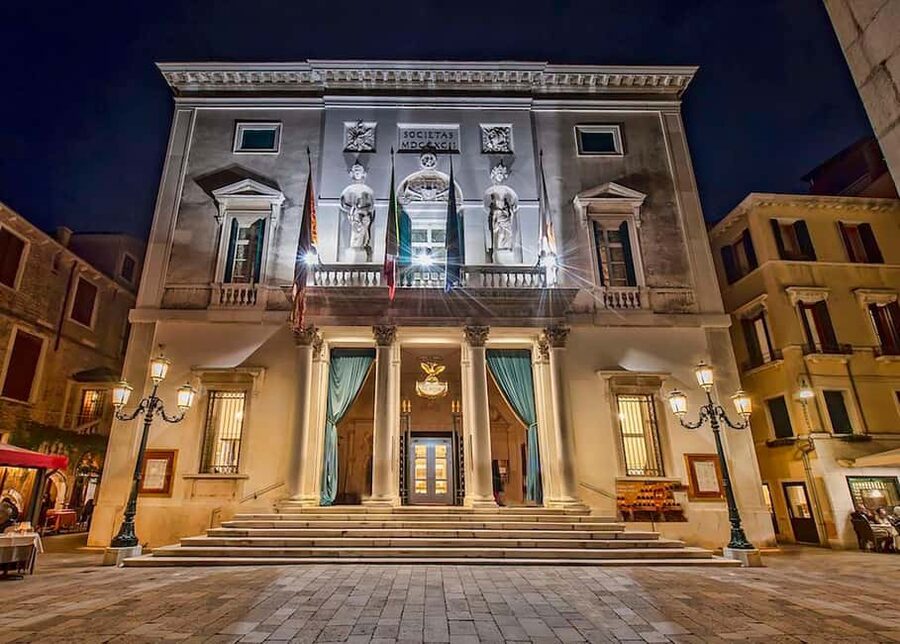
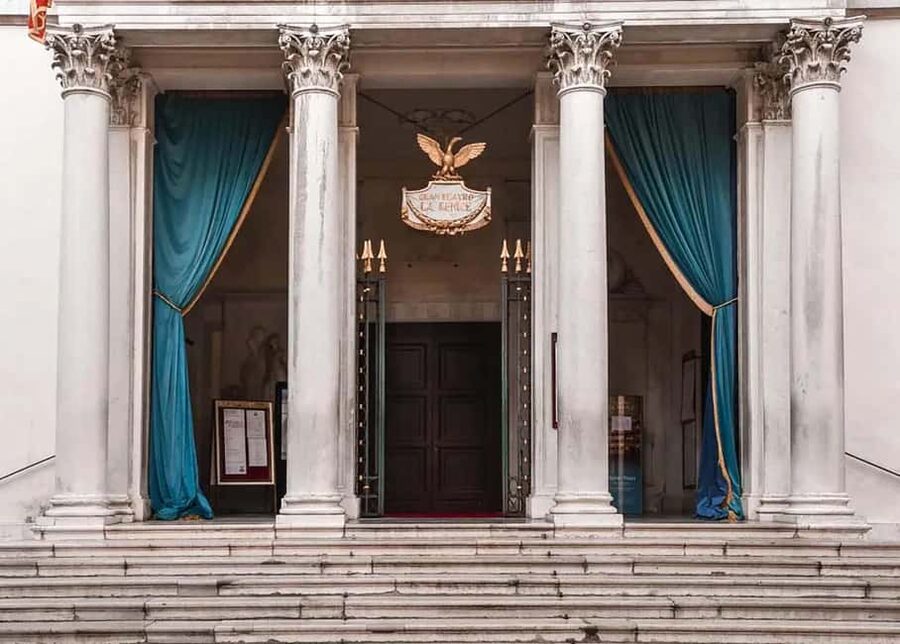
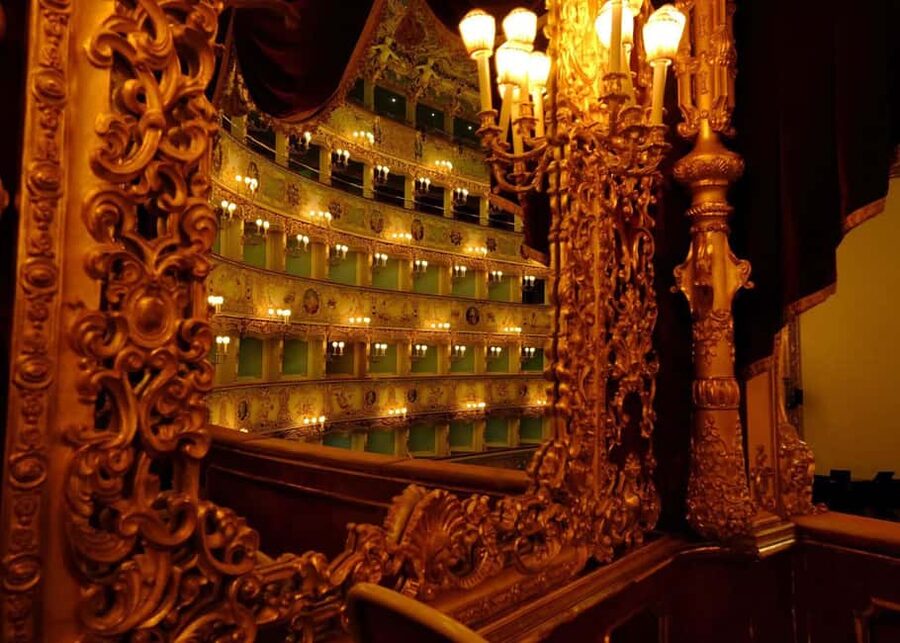
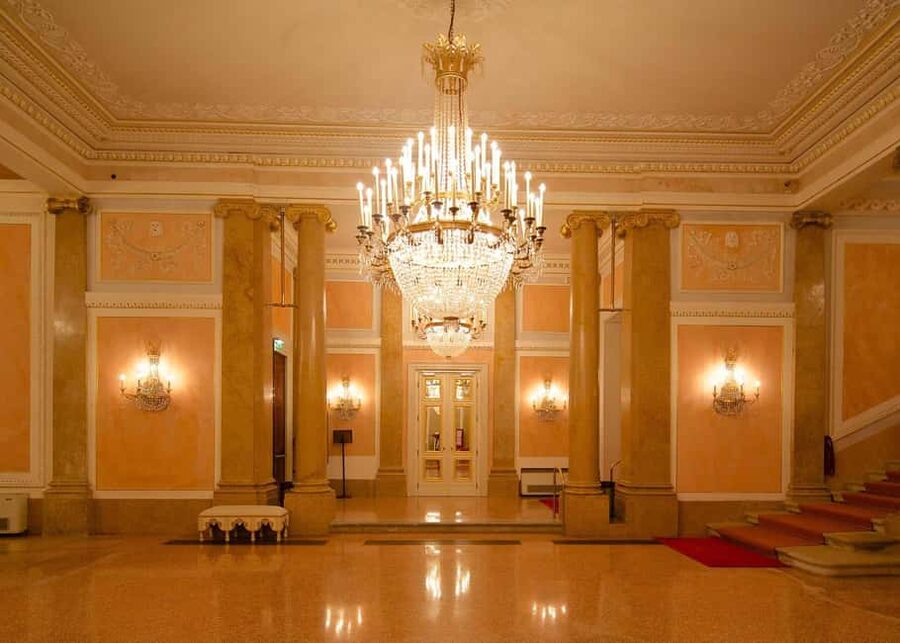
Teatro La Fenice looks almost polite from the street, which is exactly why the moment you enter feels so dramatic. The outside does not scream luxury, but inside you get gilt details, red velvet seating, and a grand chandelier overhead. It is the classic Venice trick: the city saves the best show for when you step in closer.
This is not a museum-only stop. The tour is designed to connect the building to the music that happened there. So when you see the velvet, the gilding, and the ornate rooms, it is not just pretty decoration. It is the physical setting that helped shape how performances were heard and felt.
And yes, you will get that “oh wow” moment early, because the guide starts with the theater’s story and then moves into what makes the space work for opera.
Inside the phoenix: fires, rebuilding, and the meaning of La Fenice
The theater’s name means The Phoenix, and the explanation is not just a romantic label. La Fenice has been destroyed by fires, including major ones in 1836 and again in 1996. Each time, the theater rose again, and the tour makes it clear that Venice treated the opera house as a cultural priority, not a disposable building.
What I like about this part is how it turns tragedy into context. You learn that Venice did not just rebuild to replace stone and wood. The city rebuilt to keep a creative tradition alive. That helps the interior make emotional sense. The opulence you see today is not static. It is the result of repeated reinvention.
If you care about architecture or performing arts, this story gives you a strong framework. You start to look at the auditorium and reception rooms as a place where resilience is literally part of the design.
Rossini and Bellini: why premieres here mattered
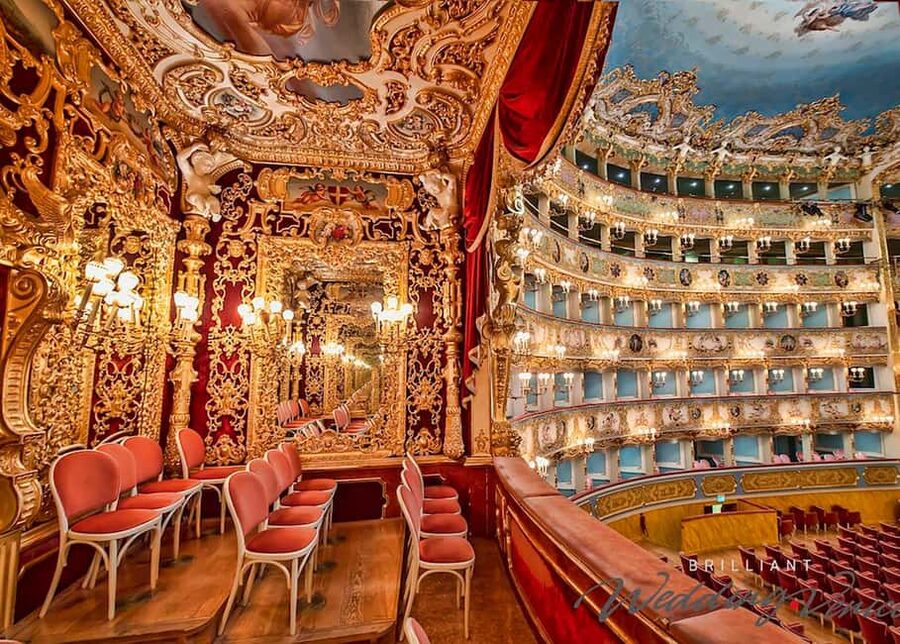
Once the guide sets the stage with the theater’s survival, the tour shifts toward what happened on the stage. La Fenice earned its prestige by hosting major premieres since its opening in 1792, and the guide highlights how that reputation formed in the 19th century.
You hear about Rossini, including operas such as Tancredi, Sigismondo, and Semiramide. Then you move into Bellini territory, with works like I Capuleti e i Montecchi and Beatrice di Tenda. These names are not there to impress you with a trivia list. The point is to show that La Fenice became a favorite venue for new music, and that composers treated this house as a serious artistic platform.
I like the way this section makes opera feel connected to place. In Venice, art is part of daily identity, not a distant subject. When you understand that major composer debuts happened here, the auditorium stops being a room and becomes a stage with a legacy.
The same hours, spent on the water instead:
- Boat Trip: Glimpse of Murano, Torcello & Burano Islands
★ 4.3 · 15,699 reviews - Venice: La Fenice Opera House Entry Ticket with Audio Guide
★ 4.6 · 11,742 reviews - Murano & Burano: Boat Tour with Guide & Glass Factory Visit
★ 4.3 · 10,716 reviews - Venice: Burano, Torcello & Murano Boat Tour w/Glassblowing
★ 4.4 · 10,245 reviews - Murano, Burano and Torcello Half-Day Sightseeing Tour
★ 3.5 · 7,928 reviews
The auditorium experience: sitting where the sound lands
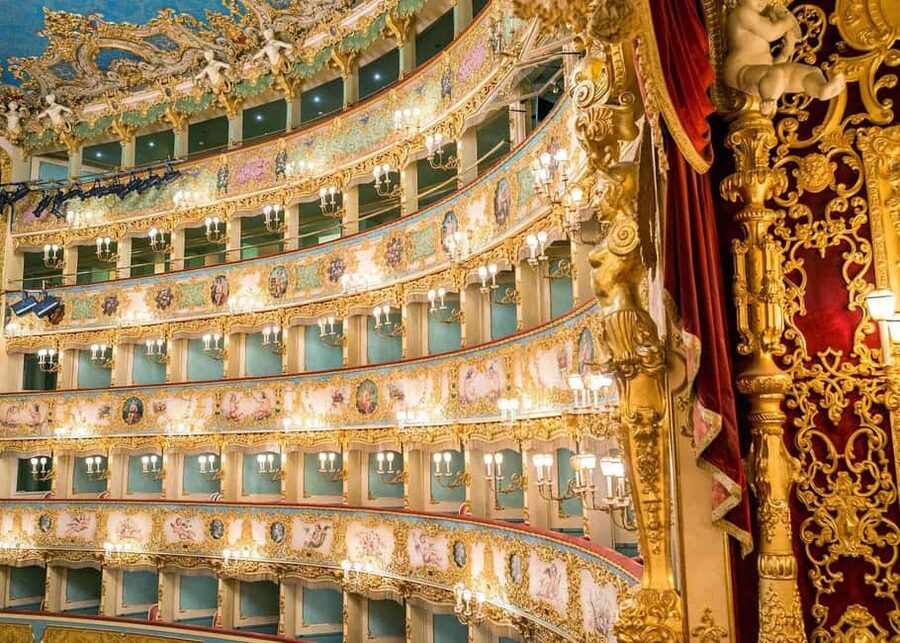
The biggest payoff for many people is the chance to sit in the auditorium. La Fenice seats over 1,000 people, and the tour focuses on why it is famous for acoustics.
This is where I find the tour most useful. It does not just say the sound is good. The guide explains the idea that the architecture supports how performers and audience interact. You can picture the way voices and orchestral sound would travel, and why a house like this matters even when the repertoire changes over time.
The tour also touches on the scale of performance traditions tied to this space, including references to a 98-piece orchestra and a 66-member chorus. Even if you do not memorize every number, it gives you a real sense of the sound system the building supports. Opera here is not background entertainment. It is a full-physics event.
If you have ever sat in a theater and felt the sound tighten and brighten right where it should, you will know what this section is aiming for. La Fenice is the kind of place that helps you understand why opera devotees care so much about venues, not just singers.
Behind the scenes: daily operations, not just sightseeing
Besides the big historical story and the auditorium viewing, you also get behind-the-scenes insight into the theater’s daily operations. The details are not presented like a work manual, but you do get a sense of how the house functions beyond the curtain rises.
This is valuable because it keeps the experience from turning into pure sightseeing. Venice has plenty of “look at pretty things” stops. La Fenice adds a working-art angle, where you understand that the building supports rehearsals, staging, and the ongoing rhythms of performances.
Even in just one hour, that small shift helps you leave with a clearer picture of how opera houses keep going.
Modern La Fenice: the house keeps premiering new work
It would be easy for a legendary opera theater to live only in the past. La Fenice does not. The tour makes a point of showing its ongoing role in contemporary opera, including world premieres of works like Stravinsky’s The Rake’s Progress and Britten’s The Turn of the Screw.
I appreciate that they do not present modernization as a betrayal of tradition. It is framed as continuity. The theater’s identity is not only what happened there in the 1800s, it is also what it chooses to stage now.
So you get a more complete feeling for why La Fenice remains important. It is not only a beautiful relic. It is still part of the creative conversation.
The tour format: shared group, one-hour pace, English guide
This is a shared tour that lasts 1 hour, and that timing shapes everything. You get highlights, not a slow, private walkthrough. For most people, that is perfect. For a certain kind of traveler, it might feel too short if you want to read every plaque and linger for photos in every room.
The guide is live and the tour is in English. One standout theme from guide feedback is the pacing and the clarity of the explanation. Guides like Alberto are specifically praised for staying organized and pleasant while walking you through the building’s story.
There is also an important practical note: the explanation happens inside the theater, not during the walk from the meeting spot. That means you are not stuck listening to info on the street. You step inside, and the tour starts where it counts.
Price and value: why $77 can make sense for a Venice one-liner
At $77 per person for a 1-hour guided visit that includes entrance to the theater, the value depends on what you want from the day.
If you are the kind of visitor who likes to understand the place you are standing in, this price can feel fair. You are paying for a guide to connect the architecture to major premieres, and you get access to areas where you can sit and experience the space in a way most walk-by tourists never do.
If you just want to take quick photos and move on, a guided tour might feel like extra spending for limited time. But if opera matters to you even a little, or if you want context for why La Fenice is famous, the guide’s work is the product.
In Venice, time is money and walking between areas can eat hours. A tight 1-hour visit can be a smart way to fit a high-impact cultural stop without disrupting your whole schedule.
Who should book this La Fenice tour
This is a strong choice for:
- Opera lovers who want a venue-focused visit with context
- Architecture and arts travelers who want a place-based story tied to real performances
- First-time Venice visitors who want one high-value indoor experience
You might want to skip it if:
- You need wheelchair access (this tour is not suitable for wheelchair users)
- You dislike shared-group pacing
- You want a long, unhurried tour with lots of time for quiet reading
Practical tips that help on the day
- Bring a passport or ID card.
- Meet at Campo San Fantin, at the entrance of Teatro La Fenice.
- Leave a working WhatsApp number so support can contact you after booking.
- If you are juggling multiple tours, avoid booking ones too close together. One-hour experiences can still be timed tightly to the theater schedule.
Also, for last-minute plans, there can be a need to place you on the next day if the theater cannot accommodate your requested date. If you are traveling on tight dates, I suggest booking with some cushion.
Should you book Teatro La Fenice?
If you want one Venice experience that feels both grand and specific, I think this tour earns a spot. You get the phoenix story, the famous premieres, and the auditorium experience where acoustics are a real part of the conversation. The guided pacing is repeatedly praised, including by visitors who called out how well the tour moves and how engaging the guide experience is, such as with Alberto.
Book it if you like your Venice with culture you can actually feel inside the room. Skip it if your goal is only quick sights and you do not care about why this theater matters.
FAQ
How long is the Teatro La Fenice guided tour?
The tour lasts 1 hour.
Where do I meet for the tour?
Meet at Campo San Fantin, at the entrance of Teatro La Fenice.
Is the tour in English?
Yes, the live tour guide provides explanations in English.
What is included in the price?
The price includes a professional guide and entrance to the theater.
Is transportation included from my hotel?
No, transportation to and from your hotel is not included.
Is this tour wheelchair accessible?
No, this tour is not suitable for wheelchair users.
What do I need to bring?
Bring a passport or ID card.
Lately added around Venice

Tours, compared.
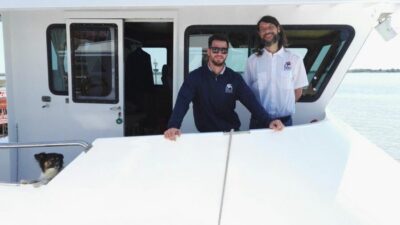
Murano & Burano: Boat Tour with Guide & Glass Factory Visit
Read our review →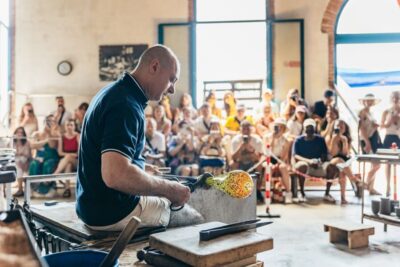
Burano, Torcello & Murano Boat Tour w/Glassblowing
Read our review →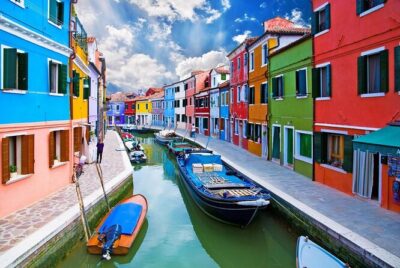
Murano, Burano and Torcello Half-Day Sightseeing Tour
Read our review →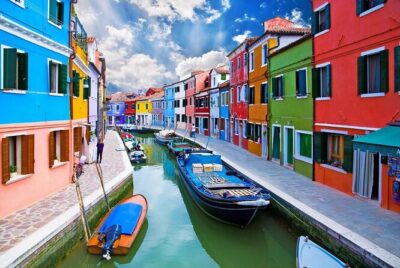
Murano & Burano Islands Guided Small-Group Tour by Private Boat
Read our review →
Doge’s Palace and St Mark’s Basilica Walking Tour
Read our review →
Murano & Burano Panoramic Boat Tour w/ Glassblowing
Read our review →
Murano, Burano, Torcello: Tour with Guide & Glass Factory
Read our review →