
Reviewed · WALKING TOURS
Venice Private Walking Tour
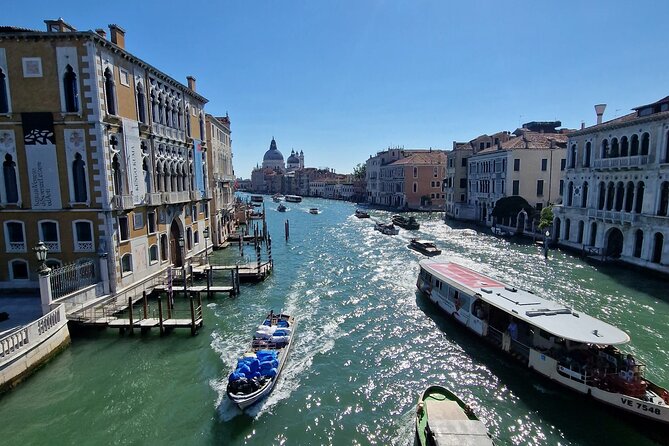
Venice can feel like a beautiful maze. This private walking tour helps you get your bearings fast and understand what you are seeing, street by street, bridge by bridge. I like the 100% private setup with your own pace, plus the option to request hotel pickup from central Venice. One catch to plan for: several big sights along the route do not include admission tickets, so your budget can creep up a bit.
You can also choose a start time that fits your day, which matters in Venice when crowds and lines can hijack your schedule. Guides like Rossella, Michele, Emanuele, and Lucrenzia are a big part of why this works well, with clear explanations and smart ways to move through the most important corners without feeling rushed.
In This Review
- Key points to know before you go
- Why a private 2-hour loop makes sense in Venice
- Hotel pickup and mobile ticket: small logistics, big payoff
- The route: from Rialto Bridge to St Mark’s, then into Doge’s territory
- Stop-by-stop: what to expect, and what to watch for
- Ponte di Rialto: the oldest Grand Canal crossing
- Teatro La Fenice: opera house glamour with street-level perspective
- Campo San Zulian: the kind of square locals still use
- St Mark’s Basilica: iconic exterior context, ticket planning needed
- Palazzo Ducale: Doge’s Palace and the Venetian power story
- Ponte dei Sospiri: the Bridge of Sighs as a story link
- What the best guides do for you, beyond facts
- Price and value: what $162.40 per person really buys
- Timing and stamina: making two hours feel like more
- Who should book this Venice private walking tour
- Should you book this tour?
- FAQ
- How long is the Venice private walking tour?
- Is this tour private?
- Do you offer pickup from hotels in Venice?
- Is the tour in English?
- Are admission tickets included for the main sights?
- Where does the tour start and end?
Key points to know before you go
- Hotel pickup in central Venice saves you time before you even start walking
- Private pacing means you can ask questions and pause for photos without group pressure
- Rialto Bridge to St Mark’s zone is a practical route that connects Venice’s key landmarks
- La Fenice, St Mark’s Basilica, and Doge’s Palace areas include sights where tickets are not included
- A guide who knows the city can help you notice everyday Venice, not just postcard views
- 2 hours is enough to cover the highlights without turning your day into a footrace
More guides with just your group along:


Why a private 2-hour loop makes sense in Venice
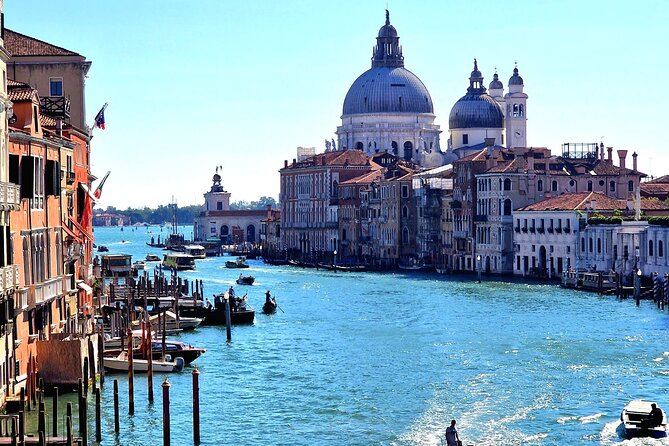
Venice punishes slow planning. Streets twist, bridges appear without warning, and the Grand Canal views do not come with a simple street grid. That is why I like the structure of this tour. In about two hours, you get a tight route that links Rialto to the St Mark’s and Doge’s Palace area, with time to look, learn, and move on before your energy runs out.
Also, this is truly private. Only your group is with the guide, so you are not stuck matching someone else’s pace. The walking is described as light to moderate, and in practice that means you can enjoy the sights without feeling dragged, as long as you wear comfortable shoes.
Finally, you can choose a start time. In Venice, that is not a small detail. An early start can make the experience calmer and easier to enjoy. If you want maximum comfort, pick a time that matches your own rhythm, not just what looks best on paper.
Hotel pickup and mobile ticket: small logistics, big payoff
The tour includes pickup from your Venice City Centre hotel, which is honestly one of the best features for first-timers. It cuts the risk of wandering around with luggage or trying to decode Venice directions while you are already tired from travel. You do not need to solve Venice before you get to enjoy it.
You also get a mobile ticket, so you can keep everything in your phone instead of juggling paper vouchers. And if you are planning around transit, the meeting points are described as near public transportation, which helps if your hotel is not right on the route.
One more practical note: the tour is listed in English, and confirmation is sent at booking time. That reduces the last-minute stress that can turn a dream Venice day into an admin day.
The route: from Rialto Bridge to St Mark’s, then into Doge’s territory
This walk focuses on Venice’s most recognizable landmarks, but it is not only about monuments. It also points you toward the daily life that happens around them, like what a medieval square still looks like when locals use it like a shortcut or a meeting spot.
The itinerary runs like this, with stops lasting about 20 minutes each:
1) Ponte di Rialto
2) Teatro La Fenice
3) Campo San Zulian
4) St Mark’s Basilica area
5) Palazzo Ducale (Doge’s Palace) area
6) Ponte dei Sospiri (Bridge of Sighs) area
You finish near Arsenale di Venezia at Campo de la Tana, so it can be a smooth bridge to your next plan, whether that is lunch, a museum, or a relaxing wander off toward quieter canals.
More sestieri crossed bridge by bridge:
- Venice: Doge’s Palace and St Mark’s Basilica Walking Tour
★ 4.4 · 6,291 reviews - Venice: San Marco to Rialto Walk & Spritz Like a Local
★ 4.2 · 3,651 reviews - Venice Walking Tour and Gondola Ride
★ 3.5 · 3,630 reviews - Venice: City Center Historical Guided Walking Tour
★ 4.2 · 1,873 reviews - Venice: Walking Guided Tour of the City Must-See Sites
★ 4.7 · 1,095 reviews
Stop-by-stop: what to expect, and what to watch for
Ponte di Rialto: the oldest Grand Canal crossing
Your tour starts at the Ponte di Rialto. This bridge is the oldest of the four bridges over the Grand Canal, and it is easy to see why it became Venice’s classic meeting point. In around 20 minutes, you have enough time to look at the bridge itself and then pivot outward for the bigger view of how the Grand Canal funnels foot traffic.
Admission is listed as free for this stop, so you can treat this as your warm-up. I also recommend using this first segment to practice Venice photo angles. The bridge is popular, so the guide can help you find the angles that show both the structure and the canal activity.
A small consideration: Rialto is busy. Even with a guide, you are still in one of Venice’s crowd magnets, so keep your expectations realistic and use the time to get context rather than chasing the perfect, empty-photo fantasy.
Teatro La Fenice: opera house glamour with street-level perspective
Next comes Teatro La Fenice, one of Venice’s most famous opera landmarks. You are not just looking at a building. This stop is a chance to understand how Venice treats performance like part of civic identity, not a separate entertainment world.
The guide points you toward what made La Fenice so important in the history of Italian theatre, and why the 19th-century era mattered so much for major composers associated with bel canto opera. Admission is listed as not included, so plan to treat this as a focused exterior and explanation stop unless you choose to add tickets on your own.
What I like here is that it breaks the routine of “just bridges and churches.” Venice is also art and sound, and La Fenice helps you see that side in a short time window.
Campo San Zulian: the kind of square locals still use
Then you step into Campo San Zulian, a medieval square that still functions like a natural pause point in the city. You get background on why the square has been lively for centuries, including the fact that the route linked major areas of Venice and used to serve daily markets and festivals.
Admission is free here, so this is a low-stress stop. The value is in what you notice after the guide’s explanation: the elegant facades around the square make more sense when you know the families living along a key route could gain wealth and status.
If you enjoy watching everyday life, this is one of the most satisfying stops. You see how Venice’s grand stories are tied to ordinary routines.
St Mark’s Basilica: iconic exterior context, ticket planning needed
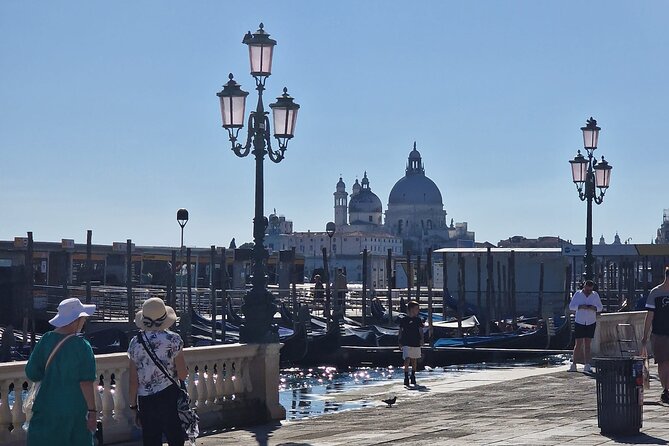
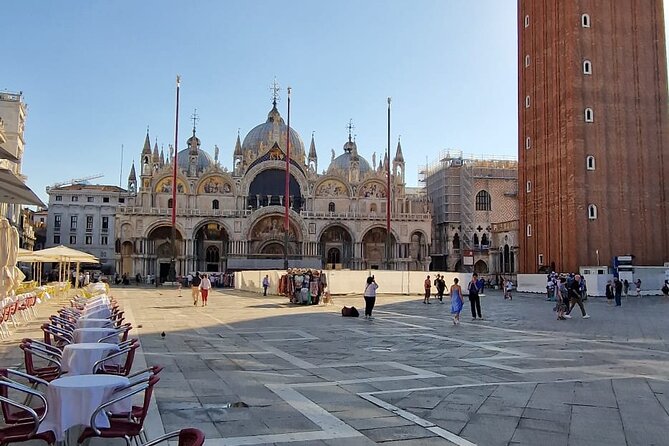
From there you head to the St Mark’s Basilica area in Piazza San Marco, Venice’s main public square. The basilica is the cathedral church of the Patriarchate of Venice, and it holds relics associated with Saint Mark the Evangelist.
Admission is listed as not included, so this stop is best thought of as guided time in the area with explanation. If you want to go inside or do a deeper interior visit, you will likely need extra tickets and time beyond the tour’s basic rhythm.
Here is the practical benefit: even if you only see the main exterior and square layout during this 20-minute slot, you will understand what you are looking at. And that is what prevents St Mark’s from feeling like a giant photo backdrop.
Palazzo Ducale: Doge’s Palace and the Venetian power story
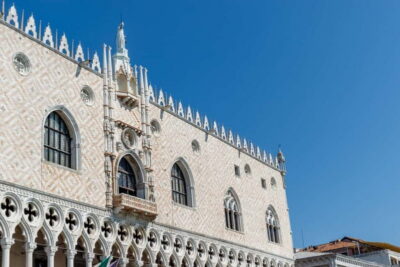
Next is Palazzo Ducale, the Doge’s Palace, in the Venetian Gothic style. This stop is where the tour shifts from beauty to power. You learn that it was the residence of the Doge of Venice, the supreme authority of the former Republic of Venice, and that the building was built in 1340 with later extensions and modifications.
Admission is listed as not included, so again, you will likely get guided context around the palace and its role rather than a fully included museum visit. Still, a guided walk here is valuable because the Doge’s Palace area can feel like a lot of architecture at once. With an explanation, the shapes start to connect to how the state worked.
From a value standpoint, this is also where a private guide can help you prioritize. You only have about two hours total, so knowing what matters most helps you decide if you want to return later for a fuller ticketed visit.
Ponte dei Sospiri: the Bridge of Sighs as a story link
Finally, you reach Ponte dei Sospiri, the Bridge of Sighs. This is not just a famous photo bridge. The enclosed bridge connects the New Prison to the interrogation rooms in the Doge’s Palace, and it was built around 1600.
The description includes details like white limestone construction and windows with stone bars. The guide’s job here is to connect the visual elements to what the bridge functioned as, so you leave with the story behind the “sighs” rather than just a landmark stamp.
Admission is listed as not included, which matters if you are hoping to add extra interior experiences. Still, even as an exterior viewpoint stop, this is a strong closer because it ties Venice’s political system to a very human theme: waiting, questioning, and confinement.
What the best guides do for you, beyond facts
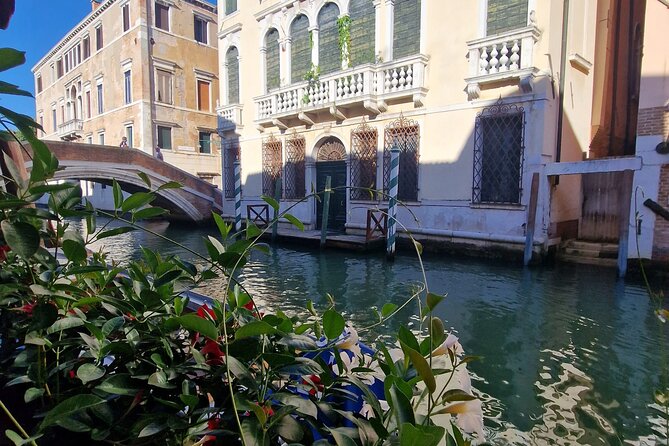
The standout reviews I have seen emphasize one thing again and again: the guide makes the city readable. Names like Rossella, Michele, Emanuele, and Lucrenzia show up with the same theme, smart guidance plus a local feel.
Here is how you can use that in your own planning:
- Ask questions early. A good private guide can adapt fast, and the first ten minutes are the easiest time to set your interests.
- If you want fewer crowds, consider a morning start. The tour structure fits well with an early rhythm.
- Lean into everyday context. The best tours do not only point to big monuments. They explain why a square exists, why a bridge matters, and why certain buildings had to be where they are.
If you are the kind of person who likes details, you will have fun. If you are the kind of person who just wants good photos and quick orientation, you will still be fine, because the pace is described as at your own level.
Price and value: what $162.40 per person really buys
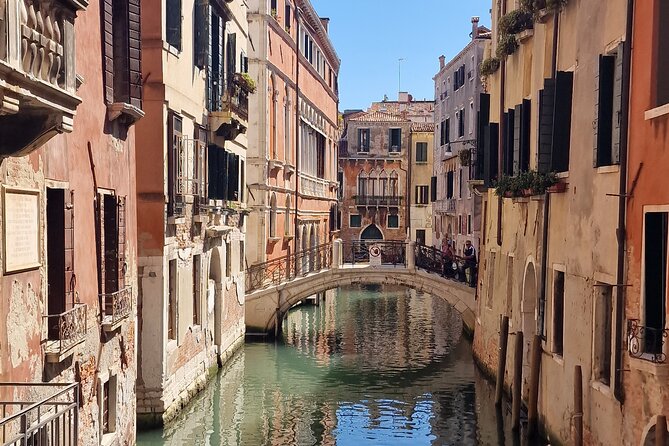
At $162.40 per person for about two hours, this sits in the mid-to-premium range, but it is not random pricing. You are paying for a licensed local guide, a 100% private experience, and pickup from central Venice. Those three elements add up fast, especially in a city where time spent getting organized can eat your sightseeing window.
So the value equation looks like this:
- Included: guide expertise, hotel pickup, private pacing, mobile ticket, and English service
- Not included (by stop): admission tickets for places like St Mark’s Basilica, Palazzo Ducale, and Teatro La Fenice, plus the areas linked to the Bridge of Sighs stop
That means your final spending depends on whether you choose to add the ticketed visits. If you already plan to tour inside St Mark’s and the Doge’s Palace, the guide helps you decide how to spend your extra time and money efficiently. If you mostly want exterior views and explanations, you can keep costs tighter.
Also note that group discounts are offered. If you have friends or family traveling together and you want a private guide without a solo premium, it can become a stronger deal.
Timing and stamina: making two hours feel like more
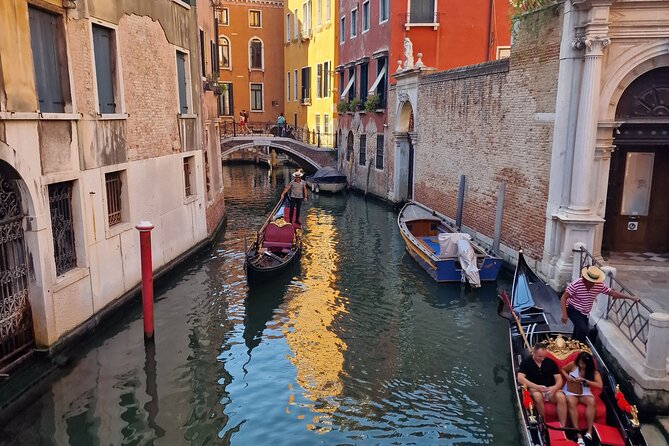
A 2-hour private walk can feel either perfect or too short, depending on your pacing and energy. This one is designed to be manageable, with light to moderate walking and stops that last around 20 minutes.
Your best move: treat it like an orientation walk, not a full museum day. The stops set the stage. If you want deeper time inside any ticketed location, plan to go back later.
What to wear matters. Venice sidewalks can be uneven, and bridge areas can be slick when it is wet. You do not need hiking gear, but you do need shoes that you trust for short walks and frequent turns.
Who should book this Venice private walking tour
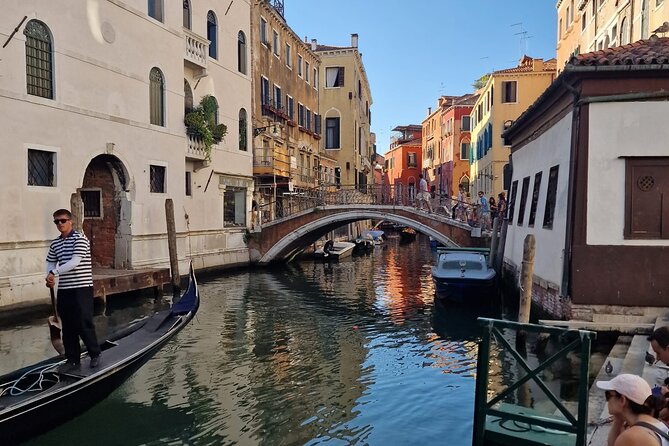
This tour fits best if you want:
- A clear Venice highlight route without spending your day figuring it out
- A private guide who can tailor your questions
- A reasonable time commitment that does not bulldoze your schedule
- Help understanding what you are looking at around Rialto, Piazza San Marco, and the Doge’s Palace zone
It also works well for small groups. The experience is listed as private for your group, so it avoids the usual “everyone splits up” chaos that can happen in group tours.
If you are a serious architecture and art fan, you might still find it short because several major sites are ticketed separately. But as a smart primer before you do the deeper visits, it is a strong fit.
Should you book this tour?
I would book it if you want a guided, efficient arc through Venice’s most recognizable areas, with hotel pickup and private pacing that keeps the day comfortable. The best part is that you are not only collecting photos, you are collecting meaning.
I would skip it or modify expectations if you only care about being inside the big ticketed sites during the two hours. Since admission to several stops is not included, you may need extra tickets and time to get the full museum or basilica experience.
If you can handle a bit of ticket planning and you want a clear route from Rialto to St Mark’s and the Doge’s Palace, this is a practical way to spend two hours in Venice, especially if you are trying to make the most of a tight schedule.
FAQ
How long is the Venice private walking tour?
It runs for about 2 hours (approx.).
Is this tour private?
Yes. It is a private tour/activity, so only your group participates.
Do you offer pickup from hotels in Venice?
Yes. Pickup is offered from your central Venice hotel.
Is the tour in English?
Yes. The tour is offered in English.
Are admission tickets included for the main sights?
It varies by stop. Ponte di Rialto is free, while Teatro La Fenice, St Mark’s Basilica, Palazzo Ducale, and the Ponte dei Sospiri stop are listed as admission ticket not included.
Where does the tour start and end?
It starts at Rialto Bridge (Ponte de Rialto) and ends at Arsenale di Venezia, Campo de la Tana.
Lately added around Venice



Walking Tours, compared.
Doge’s Palace and St Mark’s Basilica Walking Tour
Read our review →
San Marco to Rialto Walk & Spritz Like a Local
Read our review →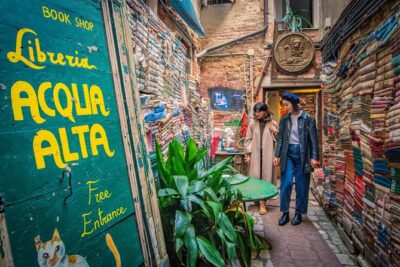
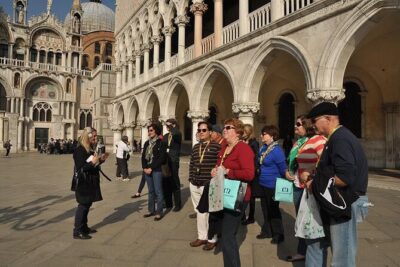
Private 3 hrs Venice Tour: St Mark’s, Walking tour & Boat tour
Read our review →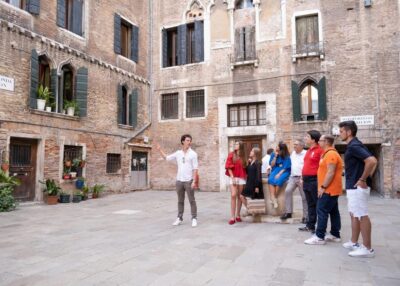
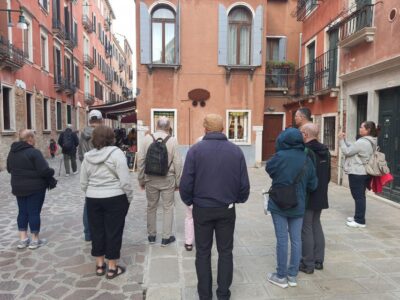
Walking Guided Tour of the City Must-See Sites
Read our review →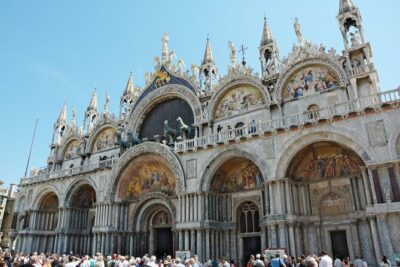
Private Best of Venice Walking Tour with St Mark’s Basilica
Read our review →
Venice Sightseeing Small Group Walking Tour with a Local Guide
Read our review →Browse the lists this tour appears in