
Reviewed · MURANO & BURANO BOAT TRIPS
Glass Lampwork Workshop and Walking in Murano
A short boat ride from Venice, Murano is where glass becomes art. This small-group tour pairs a relaxed island walk with hands-on lampwork culture, led by Murano local Valerio Coppo.
I especially liked the smart mix of landmark stops and working glass places, plus the way the tour explains how old methods stay alive today. I also loved that you get time with the tradition of lampwork through a local artist, and you can leave with a bead you made.
The main thing to plan for is cost creep: the basic glass experience is included, but the optional hands-on bead workshop is extra (30 euro paid on site). Also, if you want to linger after the tour, your bead needs a bit of cooling time.
In This Review
- Key Highlights You Actually Feel
- Getting To Murano, Meeting Valerio, and Keeping Your Day Smooth
- Palazzo Barovier&Toso: Glass Pride Starts Before the Workshop
- The Murano Church Walk: San Pietro Martire and the Duomo Mosaics
- Palazzo da Mula and Santa Maria degli Angeli: Where the Walk Feels Like a Local Day
- Glass Showroom Time at a Factory Active Since 1295
- Lampwork: Watching the 17th-Century Technique and Making Your Own Bead
- What is included
- What costs extra
- The cooling-time tip that actually matters
- Where the Stops Put You, and Why This Mix Works
- Price, Value, and What You Get for $92.92
- Who This Tour Fits Best (And Who Might Want a Different Plan)
- Practical Tips: Timing, Food, Weather, and the Day Trip Fee
- Should You Book It?
- FAQ
- How long is the Glass Lampwork Workshop and Walking in Murano tour?
- Where does the tour start and end?
- Is this tour a small group?
- What glassmaking experiences are included?
- Do I get to make a Venetian bead?
- What stops are part of the walking tour?
- Is there an extra fee for some day-trippers visiting Venice?
- What is the cancellation policy?
Key Highlights You Actually Feel
- Small group (max 15) with Murano local Valerio Coppo guiding
- Showroom visit at a glass factory active since 1295
- Church walk that includes major Murano sites like the Duomo di Murano
- Lampwork tradition you can watch, plus optional hands-on bead making
- Practical tips for where to eat and how to time your day on Murano
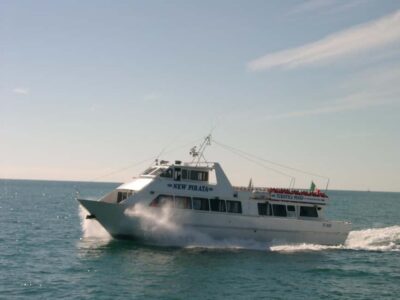
Other boats out to Murano and Burano:

Getting To Murano, Meeting Valerio, and Keeping Your Day Smooth
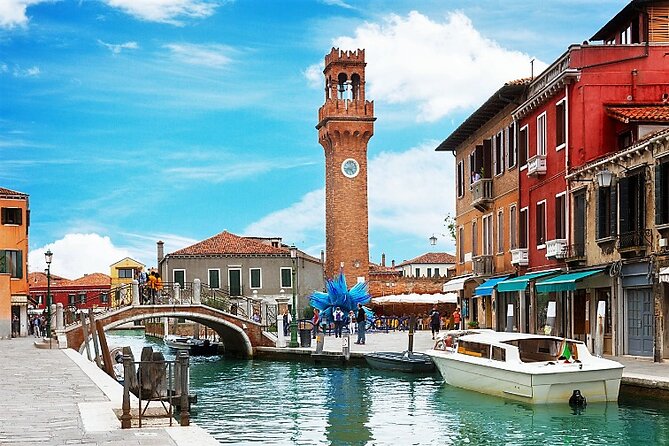
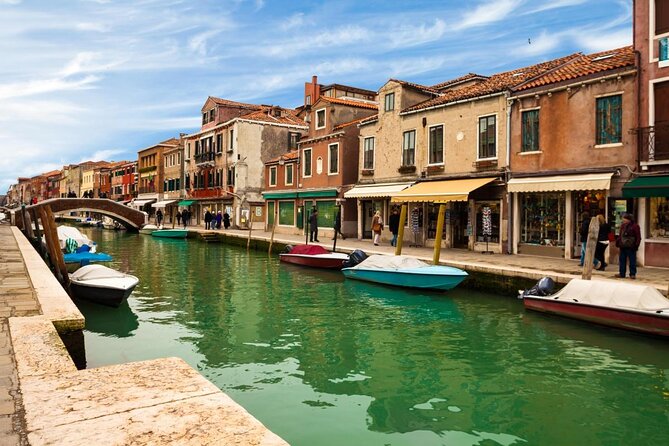
Murano is close enough to do in a half day, but it feels like a different world once you step off the boat. This tour starts at Faro di Murano, Fondamenta Piave F. M. and ends back at the same meeting point. The duration is about 2 hours, and the group stays small, up to 15 travelers. That matters, because you are not stuck in a long line with a hundred people funneling through the same photos.
You will meet Valerio Coppo as your guide under the deTourist Venice umbrella. Several people in this experience talked about him as accommodating and upbeat, but what I care about is the practical result: you get island context instead of a script. In other words, you learn what to notice as you walk and what questions to ask when you see glass being made.
One small planning detail that comes up from real experiences is the meeting point can shift due to construction. So do yourself a favor: keep your phone charged, and read the meeting instructions right before you leave. Murano is easy to walk once you know where you are, but it is still easy to get disoriented if you arrive late or are off by a few blocks.
Palazzo Barovier&Toso: Glass Pride Starts Before the Workshop
The first stop is Palazzo Barovier&Toso. Even if you only see a portion of the setting, you get the idea immediately: in Murano, glassmaking is not a hobby. It is an industry and a family craft, with buildings that reflect the status and long-term business of glass houses.
What you are really doing here is getting orientation. Murano’s streets can feel tight and winding, and the glass world can sound like vague branding if no one connects it to place. This stop helps you understand the “why” behind what you see later: why certain factories have showrooms, why some techniques were kept secret, and why design changed without losing the core identity of Murano glass.
A nice advantage of starting with a palace tied to glassmaking is pacing. You are not thrown into a workshop too early. You get context first, then the hands-on part lands with more meaning.
The Murano Church Walk: San Pietro Martire and the Duomo Mosaics
After Palazzo Barovier&Toso, the route turns toward church stops. You will visit Chiesa di San Pietro Martire and then Duomo di Murano Santi Maria e Donato.
If you have only seen Venice churches, Murano can feel like a bonus side trip. But Murano’s churches also connect to the broader island story: for centuries, religious art, local families, and skilled artisans all moved through the same social networks. When you hear the glass history in this setting, it clicks that glassmaking was not isolated from everyday life.
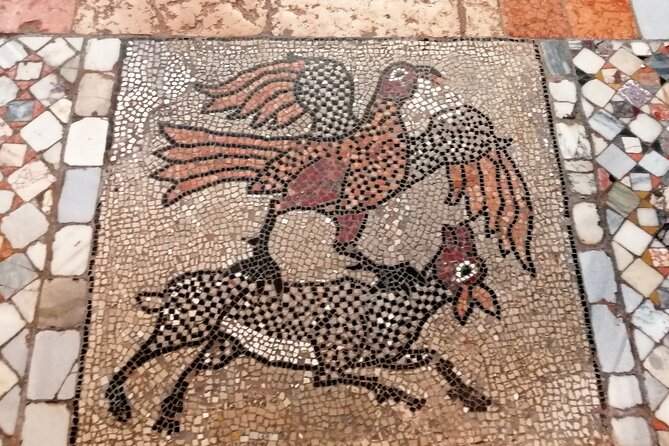
The Duomo visit is a standout for many people because it includes Byzantine-style, 12th-century mosaics. Mosaics are one of those art forms that show you how “small pieces” create a grand image. That is a perfect mental bridge to lampwork, where tiny beads and controlled color build the finished piece. If you slow down here, you will notice the surface texture and how light moves across it.
Practical consideration: churches can vary in how long you can linger depending on opening hours or interior rules. You are on a timed guided route, so focus on what the guide highlights, and only go deeper if your group pace allows it.
More sestieri crossed bridge by bridge:
- Venice: Doge’s Palace and St Mark’s Basilica Walking Tour
★ 4.4 · 6,291 reviews - Venice: San Marco to Rialto Walk & Spritz Like a Local
★ 4.2 · 3,651 reviews - Venice Walking Tour and Gondola Ride
★ 3.5 · 3,630 reviews - Private 3 hrs Venice Tour: St Mark’s, Walking tour & Boat tour
★ 4.0 · 3,372 reviews - Venice: City Center Historical Guided Walking Tour
★ 4.2 · 1,873 reviews
Palazzo da Mula and Santa Maria degli Angeli: Where the Walk Feels Like a Local Day
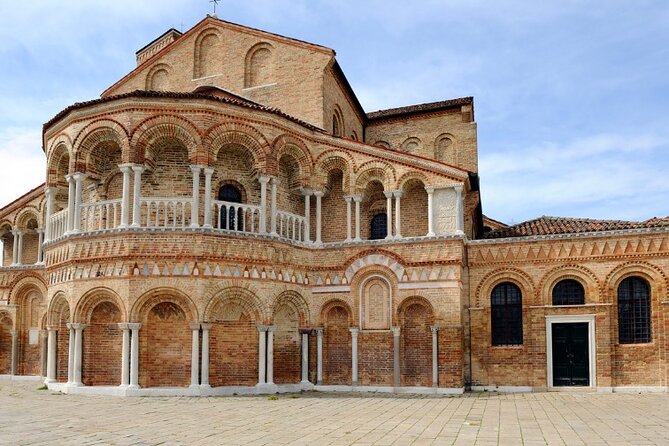
Next come Palazzo da Mula and Chiesa di Santa Maria degli Angeli. These stops help keep the tour from becoming a “factory only” day. Murano’s quieter corners matter because they show you the everyday rhythm of an island that is famous for glass, but still lives a normal life.
What I like about this structure is that it keeps you awake and engaged. You go from glass industry identity at a palace, to history and art inside churches, and then you return to glass culture later with a better mental map. It is a smart rhythm for a 2-hour experience.
If you like walking tours, you will probably enjoy this portion most when you watch details: doorways, small bridges, and the way different streets feel more commercial versus more residential. You are not just collecting “things to see.” You are getting a sense of how Murano’s geography shaped where the glass houses grew.
Glass Showroom Time at a Factory Active Since 1295
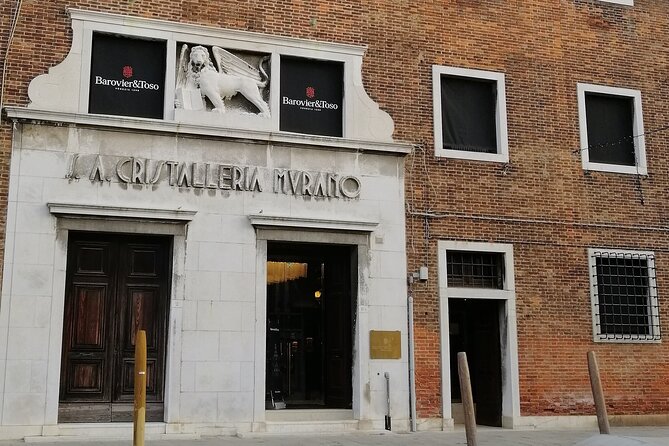
One of the included parts is a visit to the showroom of the oldest glass factory in the world, active since 1295. You might hear the number and think it is just trivia, but the value here is what the long timeline lets you understand.
In an area like Murano, age creates continuity, but it also creates change. Glassmaking techniques stayed alive, yet designs adapted to different tastes, materials, and markets. A showroom visit is not just about seeing pretty objects. It is about seeing how tradition and contemporary creativity coexist in the same working world.
Also, a showroom visit is a practical choice for a short tour. You get access to the story and the visuals without consuming your entire day in a deep industrial walkthrough. If you have limited time in Venice and want one Murano experience that actually justifies the trip, this piece helps the tour feel “worth it.”
Lampwork: Watching the 17th-Century Technique and Making Your Own Bead
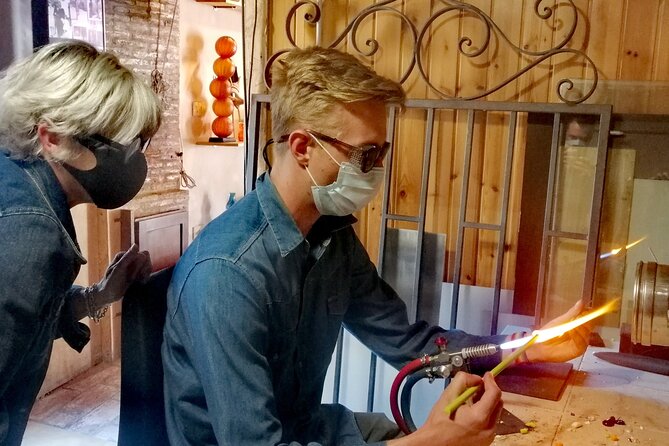
Here is the heart of the experience: lampwork, with a visit to a glass artisan where you learn the tradition and how the process works. The tour includes the artisan visit, and the hands-on part is where you can choose your level of participation.
What is included
You get the lampwork or glass blowing artisan visit as part of the tour. That means you see the craft in action and learn the secrets of the work through guidance from a local artist.
What costs extra
If you want the hands-on souvenir, the lampwork workshop is optional and costs 30 euro, paid on site. This is not hidden. It is clearly positioned as extra, and it is the difference between watching craftsmanship and taking a piece of it home.
Many people highlight that the workshop is taught by Monica, and that she is a great teacher. The practical takeaway for you is this: if you want a memory you can hold, you should plan for the extra 30 euro. Your hands will learn what your eyes cannot fully understand.
The cooling-time tip that actually matters
One very useful real-world tip: after you make your bead, give it time to cool before rushing to lunch. People specifically recommend setting aside a little time nearby so you are not stuck juggling your bead and your appetite at the same time. On a short, 2-hour tour, that means you should avoid making lunch plans that require you to be in two places at once.
Where the Stops Put You, and Why This Mix Works
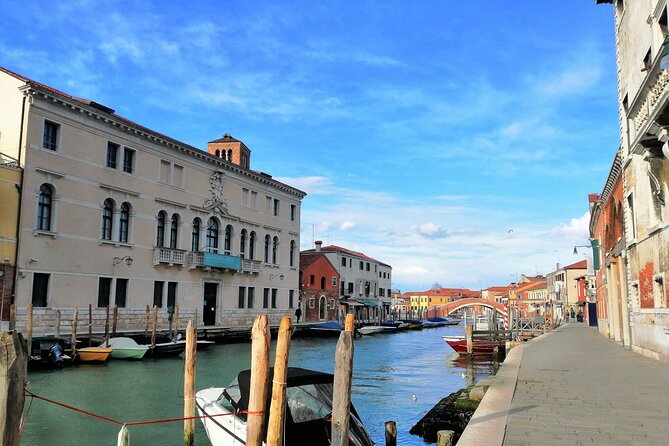
This tour is built around palaces, churches, and glass-world access. The listed stops are:
- Palazzo Barovier&Toso
- Chiesa di San Pietro Martire
- Duomo di Murano Santi Maria e Donato
- Palazzo da Mula
- Chiesa di Santa Maria degli Angeli
Then you also get the included glass parts: a showroom visit at the oldest factory active since 1295 and an artisan visit for lampwork or glass blowing. The optional workshop is what lets you personally create a Venetian bead.
That combination works because it prevents “glass fatigue.” If you only do showrooms, you can end up feeling like glass objects blur together. If you only do a workshop, you might miss the island context. This route gives you both, in a short window, which is exactly what most people need when they are fitting Murano into a Venice trip.
Price, Value, and What You Get for $92.92
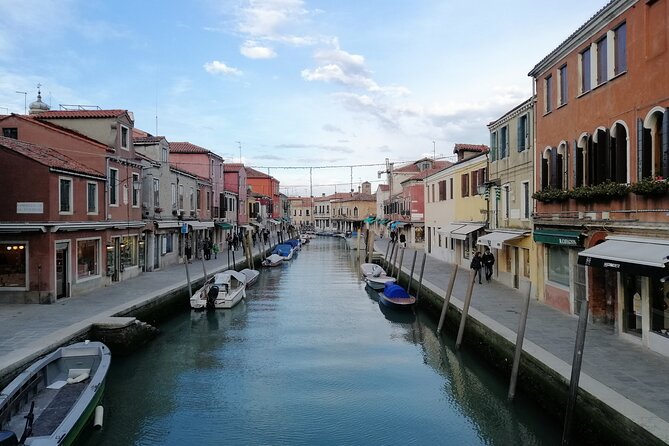
At 92.92 dollars per person, this is not the cheapest way to reach Murano. But it is also not trying to be the bargain bus with a factory stop and a sales push. Based on how this experience is structured, your money goes toward four things:
- A guided walk with interpretation, not just transportation
- Glass artisan time (lampwork or glass blowing included)
- A showroom visit tied to Murano’s deep glass roots
- A small group size, which makes the tour feel personal
Then there is the optional add-on: 30 euro for making your bead. If you choose the workshop, your full cost becomes roughly 122.92 dollars. Even then, you are paying for a tangible, take-home result plus a guided experience that explains what you are seeing.
One more value point: the guide’s local tips. People mention Valerio sharing restaurant suggestions for later in the day, including things like cicheti and quick bites. That is not a “glass thing,” but it absolutely affects your experience. In Venice, your enjoyment often hinges on where you eat, not just what you tour.
So the value question comes down to you:
- If you want explanation plus access and you might make a bead, this price tends to make sense.
- If you only want to browse glass and skip the workshop, you may feel the cost more sharply.
Who This Tour Fits Best (And Who Might Want a Different Plan)
You will probably love this tour if:
- You like hands-on craft even if you are not an artist
- You want a short Murano day that still feels meaningful
- You enjoy walking and want churches and palaces mixed into your island time
- You are traveling with kids and want a guided activity that stays interesting
People also describe it as family-friendly in practice, with children learning and participating in the bead-making moment.
You might want a different option if:
- You are determined to spend zero extra money on-site. The optional bead-making workshop is the main add-on.
- You get cranky if a tour pace is shared. This tour is small, but it is still a group.
Also, if your main goal is a long, slow museum-style glass deep dive, a 2-hour format may feel brief. This is more of a “taste with depth” plan.
Practical Tips: Timing, Food, Weather, and the Day Trip Fee
Murano weather can change fast. A few people specifically mentioned being happy the guide kept things flexible when conditions were not ideal. Still, dress for walking and be ready with a light layer.
For timing, the bead cool-down tip is your friend. After your workshop, plan something nearby rather than committing to a long walk immediately. If you want lunch after, keep it close and simple.
One more Italy-specific detail that can affect your total day cost: on certain dates, some people doing a Venice day trip from outside the city may need to pay a €5 access fee. If this applies to you, it is handled by the city rules, and you can check exemptions and applicable days at the referenced official site.
Should You Book It?
Yes, I would book it if you want Murano that feels alive, not like a rushed checklist. The strongest reason is the combination: a guided island walk with major stops, plus glass access, plus lampwork where the craft is explained in plain language by a local guide.
Make your decision like this:
- If you will likely pay the 30 euro to make a bead, this tour is a great use of time.
- If you only want to watch and skip the workshop, go in with clear expectations. You will still see plenty, but the tour becomes more about the story and the showroom than about creating.
If you like craft, walking, and genuine local perspective, this one is worth your limited Venice time.
FAQ
How long is the Glass Lampwork Workshop and Walking in Murano tour?
It lasts about 2 hours.
Where does the tour start and end?
It starts at Faro di Murano, Fondamenta Piave F. M., 30141 Venezia VE, Italy and ends back at the same meeting point.
Is this tour a small group?
Yes. The tour has a maximum of 15 travelers.
What glassmaking experiences are included?
You get a visit with a glass artisan (glass lampwork or glass blowing) and a visit to the showroom of the oldest glass factory active since 1295.
Do I get to make a Venetian bead?
You can, but it is optional. The hands-on lampwork workshop costs 30 euro paid on site.
What stops are part of the walking tour?
The tour includes Palazzo Barovier&Toso, Chiesa di San Pietro Martire, Duomo di Murano Santi Maria e Donato, Palazzo da Mula, and Chiesa di Santa Maria degli Angeli.
Is there an extra fee for some day-trippers visiting Venice?
On certain dates, some travelers staying outside Venice and visiting for the day may need to pay a €5 access fee. Check the applicable days and exemptions on the official site listed in the tour details.
What is the cancellation policy?
You can cancel for a full refund up to 24 hours before the experience starts.
Glass, Paper and Paint
- Venice: Carnival Mask Workshop
★ 4.5 · 1,925 reviews - Venice: Pasta and Tiramisu Cooking Class with Wine
★ 4.9 · 1,010 reviews - Pasta and Tiramisu Cooking Class with Wine in Venice
★ 5.0 · 945 reviews - Create Your Glass Artwork: Private Lesson With Local Artisan
★ 5.0 · 556 reviews
Lately added around Venice
Murano & Burano Boat Trips, compared.
Boat Trip: Glimpse of Murano, Torcello & Burano Islands
Read our review →
Murano & Burano: Boat Tour with Guide & Glass Factory Visit
Read our review →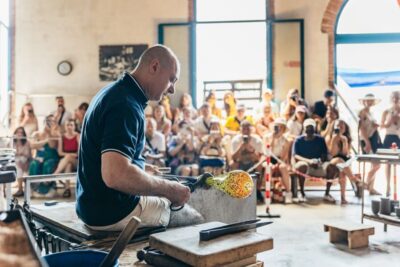
Burano, Torcello & Murano Boat Tour w/Glassblowing
Read our review →
Murano, Burano and Torcello Half-Day Sightseeing Tour
Read our review →
Murano & Burano Islands Guided Small-Group Tour by Private Boat
Read our review →
Murano & Burano Panoramic Boat Tour w/ Glassblowing
Read our review →
Murano, Burano, Torcello: Tour with Guide & Glass Factory
Read our review →
Murano & Burano Guided Tour by Private Boat with Glassmaking
Read our review →Browse the lists this tour appears in