
Reviewed · COOKING CLASSES
Venice: Pasta and Tiramisu Cooking Class with Wine
Want a Venice evening that tastes homemade? This pasta and tiramisu cooking class trades museum time for fresh pasta skills and the kind of tiramisu you can actually explain at dinner. I like that it is hands-on from start to finish, and I also like that you sit down afterward with what you make, with wine, limoncello, and coffee. The main catch is the recipe stays traditional, so gluten, dairy, and eggs are part of the process, and the fine print notes you cannot guarantee zero cross contamination for allergies.
The teaching is in English with live hosts and chefs, and you will hear plenty of local flavor in the way they talk through technique, not just ingredients. Names that come up again and again in this program include Barbara, Serena, Thomas, Eddie, and Lauti, and the big theme is clear guidance at a pace people can keep up with. You are based in the restaurant in the Venice area called Dorsoduro, with optional time afterward to wander those nearby streets.
In This Review
- Key things to know before you go
- Why This Pasta and Tiramisu Class Fits Venice So Well
- What Happens in the 3 Hours, Step by Step
- The Fresh Pasta Lesson: Fettuccine and Ravioli With Real Technique
- Tiramisu Class: The Dessert That Tests Timing, Not Talent
- The Meal Part: Wine, Limoncello, and Coffee After You Cook
- Dorsoduro After Class: How to Use the Extra Time
- Price and Value: Why $78 Can Make Sense Here
- Dietary Options and Allergen Reality Check (Read This Part Carefully)
- Who This Class Is Best For (And Who Should Skip It)
- Should You Book This Venice Pasta and Tiramisu Class?
- FAQ
- How long is the Venice pasta and tiramisu cooking class?
- What dishes will I make during the class?
- Is wine included in the experience?
- Do you offer dietary options for vegetarians or other restrictions?
- Is the tour guide available in English?
- Is this cooking class suitable for young children?
Key things to know before you go
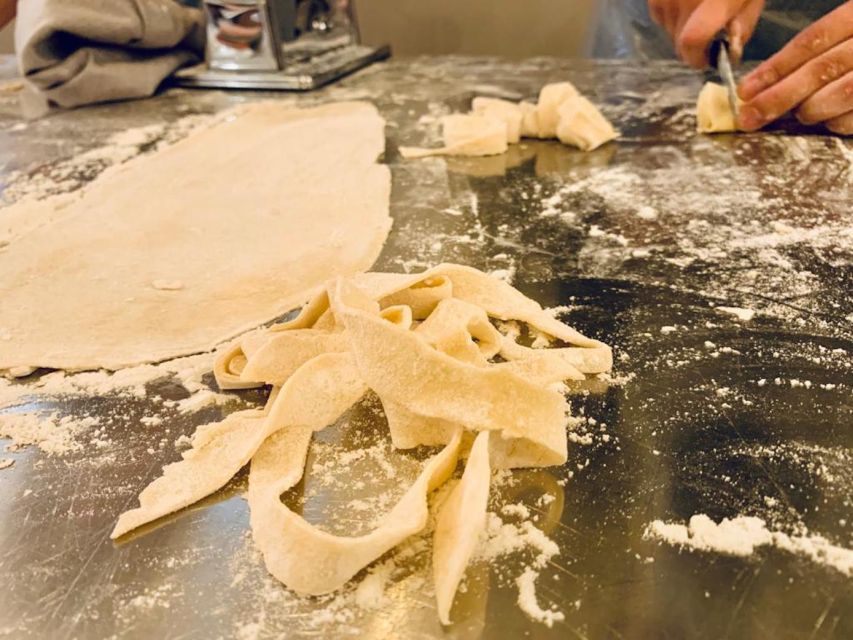
- Hands-on pasta making: you roll and shape fresh pasta, then turn it into two different dishes.
- Dessert you can repeat at home: the tiramisu process is taught step-by-step, not treated like a magic trick.
- Eat what you cook: you finish the class at the table with what you made, paired with wine.
- English-speaking hosts: live guidance, plus plenty of chances to ask questions.
- Dorsoduro location, easy add-on: after the meal, you can either stay chatting or head out on foot.
- Allergens need a reality check: substitutions may happen, but the traditional recipe includes gluten, dairy, and eggs.
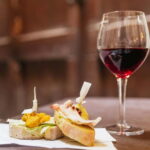
More Veneto wine poured nearby:
Why This Pasta and Tiramisu Class Fits Venice So Well
Venice can be a lot of walking and a lot of looking up. This class is different. It slows everything down and gives you a concrete reason to remember the city: the food you made with your own hands.
I like that the experience is built around two crowd-pleasers that are genuinely Italian comfort food. You get fresh pasta practice and then a dessert that is all about texture, timing, and technique. In other words, it is not just cooking, it is cooking plus payoff.
The other Venice advantage is that your time stays efficient. This is a 3-hour activity centered in a local restaurant in or near Dorsoduro, so you can plan an evening without building a long route. When you are done eating, you can either keep the social energy going or step outside for a short neighborhood walk.
What Happens in the 3 Hours, Step by Step
The rhythm here is simple, and that is part of why it works. You start in the restaurant, get the ingredients in front of you, and then follow your host through fresh pasta technique, then dessert technique.
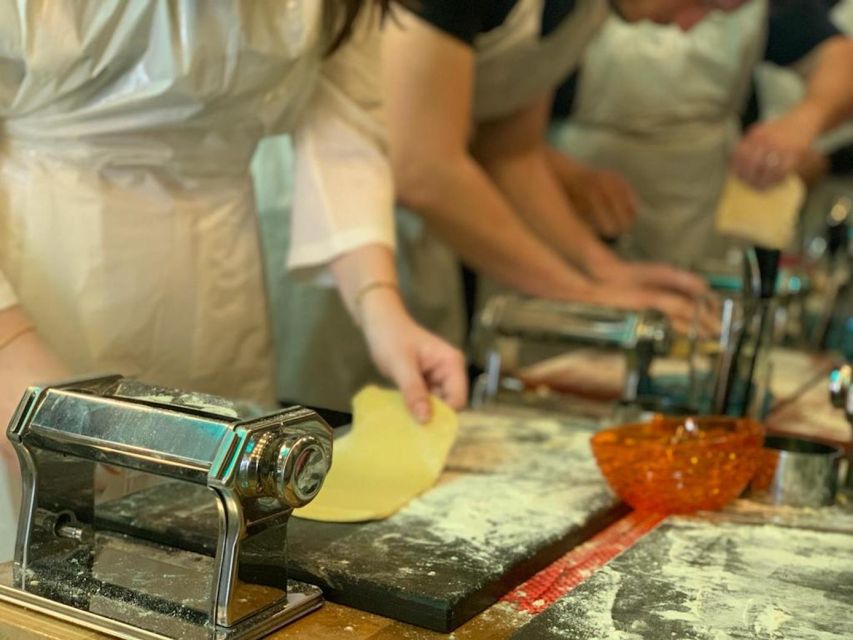
First comes the hands-on pasta session. You will learn how to make fresh pasta the way it is done traditionally, with guidance on what the dough should feel like and how to shape it so it holds up when cooked. You are not just watching and taking notes.
Then the class shifts to tiramisu. You receive ingredients and instruction, and you work through the steps for that signature layered dessert. The teaching style tends to be interactive, with time to ask questions about Italian cuisine as you go.
At the end, you sit down to feast. You sample both pasta dishes and your tiramisu, and the meal comes with fine wine, plus limoncello and coffee. The whole thing lands as a full, satisfying dinner replacement, not a tiny tasting.
The Fresh Pasta Lesson: Fettuccine and Ravioli With Real Technique
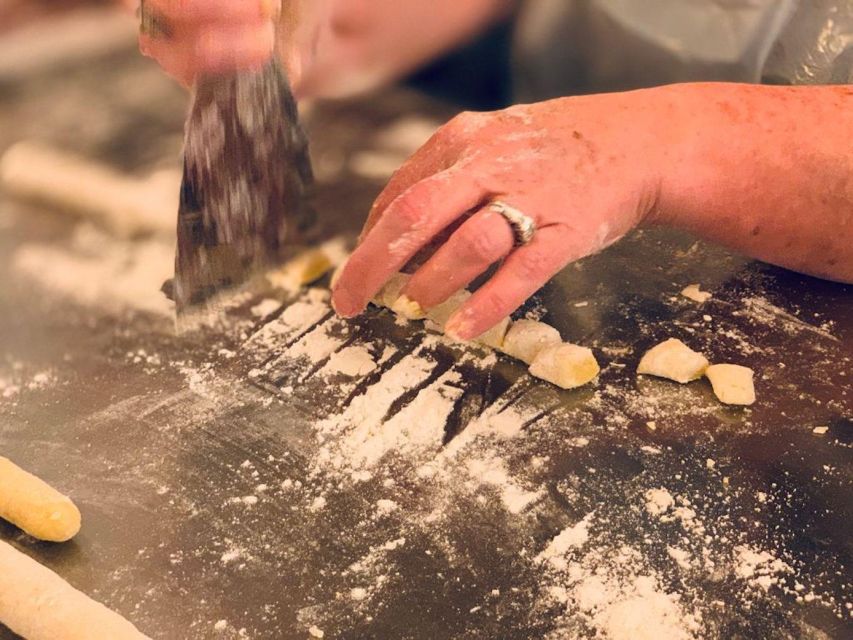
If you have ever tried to make pasta at home and it turned into a sticky mess, this is the kind of class that can reset your expectations. Fresh pasta is doable, but it helps to understand the dough, the thickness, and the shaping sequence. That is what you get here.
You will learn to make fresh fettuccine and ravioli during the class. Fettuccine is the place to get comfortable with rolling and cutting into long ribbons, while ravioli pushes you into shaping, portioning, and sealing so the filling stays where it should.
The hosts often focus on technique cues, the small things that make a difference. That is why so many people highlight the instructors as the make-or-break factor. When someone is lively and clear, you stop worrying and start getting it right.
Also, because the class is based in a restaurant kitchen setup, you are not trying to improvise tools or timing. You are working with the ingredients and the flow that the chef designed for groups, which makes a huge difference for beginners.
More Venetian benches for glass, paper and paint:
- Venice: Carnival Mask Workshop
★ 4.5 · 1,925 reviews - Pasta and Tiramisu Cooking Class with Wine in Venice
★ 5.0 · 945 reviews - Create Your Glass Artwork: Private Lesson With Local Artisan
★ 5.0 · 556 reviews - Venetian Carnival Mask Making Class in Venice, Italy
★ 4.5 · 525 reviews - Murano Glass Factory Experience: A Workshop in Venice
★ 4.0 · 437 reviews
Tiramisu Class: The Dessert That Tests Timing, Not Talent
Tiramisu sounds straightforward, but the details matter. The class is built around traditional method, and you learn the process for assembling the dessert so it tastes right and sets properly.
You receive the needed ingredients and instructions, then you put it together yourself. The best part is that you do not have to guess whether you did it correctly because you will eat it after you finish.
This is also where the host personality shows. Many instructors described in the experience are entertaining and patient, with a teaching pace people can keep up with. If you are the type who learns faster when you can ask questions, this dessert section is where you will likely use that time.
And yes, the payoff is immediate. You are not sending this dessert home and hoping for the best. You taste what you made, with coffee to finish.
The Meal Part: Wine, Limoncello, and Coffee After You Cook
In a cooking class, the meal is where it either becomes memorable or feels like a chore. Here, the dinner element is treated like part of the program, not an afterthought.
You sample the pasta dishes and tiramisu at the table, paired with fine wine that is described as free-flowing. You also get limoncello and coffee with the meal. That means you end with a full tasting dinner, not a quick bite-and-go.
One practical tip: pace yourself during the cooking. It is easy to get excited and snack on the anticipation. Save your appetite for the table, because you truly do eat the results of your work.
Another practical detail: the social side is baked in. People are sitting together during the meal, and the class is set up so you can connect with fellow participants. A lot of people mention meeting others from different places, and that is a real bonus in Venice, where you can go days without a proper conversation unless you plan it.
Dorsoduro After Class: How to Use the Extra Time
Your class ends with an option that I love for Venice. You can stay in the restaurant with your new food friends, or you can head out to explore the nearby streets around Dorsoduro.
This matters because Dorsoduro is one of the more enjoyable Venice neighborhoods to walk through at night. You will not need a major plan. A 20 to 40 minute wander around side streets can be the perfect capstone after a seated meal.
If you are the type who needs momentum, go straight out. If you prefer a slower night, linger and enjoy the wine-soaked conversation. Either way, the timing is flexible because the core experience is already complete.
Price and Value: Why $78 Can Make Sense Here
At $78 per person for a 3-hour cooking class, you might wonder if this is just paying for a meal. I think the better way to look at it is: you are paying for an organized evening with instruction, ingredients, and drinks included.
You get a full meal outcome, meaning you eat pasta plus dessert you prepared. You also get wine, limoncello, and coffee, which is not a typical add-on at many activities. On top of that, you are learning skills you can actually use later, especially for basic pasta dough and assembly habits for ravioli and tiramisu.
This is also value-friendly if you hate the idea of spending your last night searching for an open table. The class gives you a scheduled plan that ends with food served, so you stop thinking and start eating.
If you already have a cooking background, you may want to treat this as a technique refresh. If you are a beginner, it is often a great confidence builder because the teaching tends to be structured and clear, with time for questions.
Dietary Options and Allergen Reality Check (Read This Part Carefully)
This is the section where you should be extra cautious. The class offers dietary options such as vegetarian and other diets supported, and you can inform the provider of your needs when booking.
But the important fine print is this: substitutions are offered for allergies or food preferences, while the instructions always focus on the traditional recipe, which contains gluten, dairy, and eggs. The class also notes it cannot guarantee 100% free of cross contamination.
It also lists certain groups as not suitable, including vegans, people with gluten intolerance, and people with lactose intolerance. So even if a diet is mentioned as supported in one place, the restrictions elsewhere are a strong signal to contact the provider before you book.
My advice: if you have allergies or you avoid gluten, dairy, eggs, or alcohol, message the activity provider clearly before you arrive. Ask what can be substituted, and ask whether the final meal you eat matches your needs or is only adjusted behind the scenes.
Who This Class Is Best For (And Who Should Skip It)
This experience is a good fit if you want a break from classic sightseeing without giving up quality. You get a structured activity, instruction in English, and a real meal at the end, which makes it ideal for couples, friends, and solo travelers who like social settings.
It is also a nice choice if you want something that feels authentically Italian beyond just eating pizza and gelato. Pasta dough and tiramisu technique are Italy in a bowl and on a spoon.
You should consider skipping if you are traveling with someone who cannot eat the traditional ingredients. The not-suitable list includes vegan diets, gluten intolerance, and lactose intolerance. It is also not suited for children under age 3.
If you are traveling with teenagers, this is often the kind of activity that helps the time pass quickly. The class is hands-on and includes a social dinner, so it tends to feel more engaging than a lecture-style food tour.
Should You Book This Venice Pasta and Tiramisu Class?
I would book it if you want one night in Venice that mixes learning, eating, and conversation. It is especially worth it when you want a straightforward plan: arrive, cook, sit down, drink, and leave with recipes and skills you can try again at home.
I would think twice if your diet is very restricted. The class is traditional and includes gluten, dairy, and eggs in the core recipe, and cross contamination cannot be fully ruled out. For anyone with serious allergies or strict dietary needs, confirm details first.
If you are looking for a fun, guided, restaurant-based experience in Venice that ends with a satisfying dinner, this is a strong pick. When the city is full of impressions, it is nice to take home something you can taste again.
FAQ
How long is the Venice pasta and tiramisu cooking class?
The class runs for 3 hours.
What dishes will I make during the class?
You will learn to make fresh fettuccine and ravioli, and you will also make tiramisu.
Is wine included in the experience?
Yes. The class includes wine, and the meal is served with wine, plus limoncello and coffee.
Do you offer dietary options for vegetarians or other restrictions?
Dietary options are listed, including vegetarian and other diets supported. However, the traditional recipe contains gluten, dairy, and eggs, substitutions may be offered for allergies or preferences, and the provider cannot guarantee 100% free of cross contamination. The activity also lists vegans, people with gluten intolerance, and people with lactose intolerance as not suitable, so you should check carefully before booking.
Is the tour guide available in English?
Yes. The live tour guide language is English.
Is this cooking class suitable for young children?
No. It is not suitable for children under 3 years old.
More Pasta in Venice
- Venice: Jewish Ghetto & Cannaregio Area Food Tour: Pasta Wine Gelato and More!
★ 4.5 · 274 reviews - Venice: Cooking Class with Tiramisu and Pasta Making
★ 4.9 · 71 reviews - Cesarine: Private Pasta and Tiramisu Class in a Local Venice Home
★ 5.0 · 37 reviews - Venice Hands-On Bigoli Pasta Class : Cook & Taste Local Recipes
★ 5.0 · 20 reviews
More Cooking Classes in Venice
- Traditional Home Cooking Experience in Venice
★ 5.0 · 377 reviews - Market Tour and Cooking Class with a Local Venetian Chef
★ 5.0 · 313 reviews - Small Group Pasta and Tiramisu Class at Local’s Home in Venice
★ 4.5 · 236 reviews - Venice: Pasta Class with Wine and Gelato
★ 4.9 · 225 reviews
Lately added around Venice


Cooking Classes, compared.
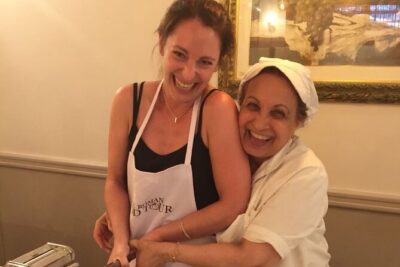
Pasta and Tiramisu Cooking Class with Wine in Venice
Read our review →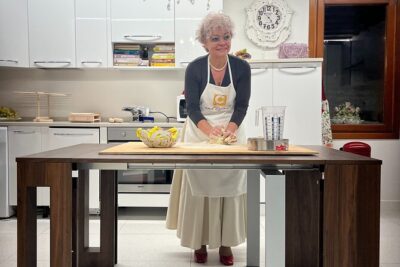
Traditional Home Cooking Experience in Venice
Read our review →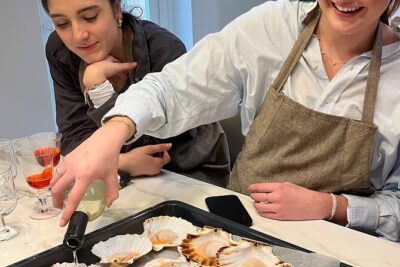
Market Tour and Cooking Class with a Local Venetian Chef
Read our review →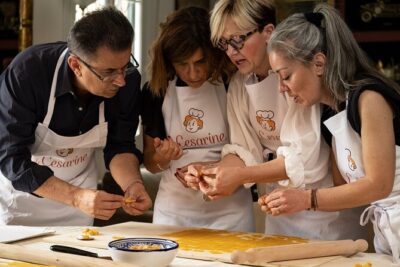
Small Group Pasta and Tiramisu Class at Local’s Home in Venice
Read our review →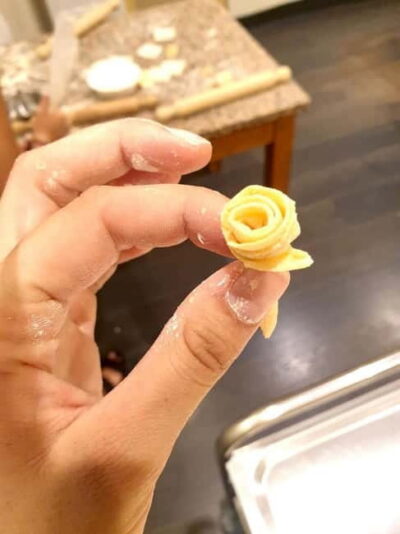
Rialto Market Tour & Private Cooking Class in the Heart of Venice
Read our review →
Venetian Secrets 3 course Cooking Class and Unlimited Prosecco
Read our review →
Yummy Cooking Class in Venice with Professional Chef
Read our review →Browse the lists this tour appears in