
Reviewed · COOKING CLASSES
Venice: Cooking Class with Tiramisu and Pasta Making
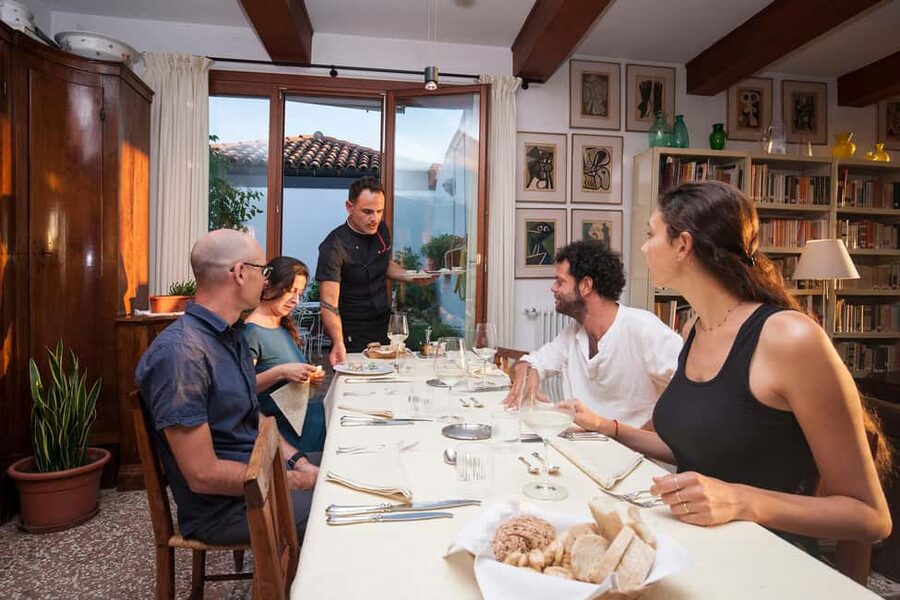
Fresh pasta and tiramisu in a palace kitchen. What makes this Venice class special is the setting, a 16th-century Venetian palace (third and top floor) where the chef grew up, plus the hands-on workflow of a real kitchen brigade. I love the step-by-step pasta technique you practice yourself, and I also love the family-style meal where you eat what you cooked, with limoncello and espresso to finish.
One thing to consider up front is the no elevator reality. You’ll be climbing stairs for access to the top floors and you’ll stand for part of the lesson, so plan for that and wear proper shoes.
In This Review
- Key highlights worth your attention
- Inside a 16th-century Venetian palace kitchen
- The 3.5 hour flow: learn, cook, eat, repeat
- Fresh pasta making: the hands-on skill you take home
- Tiramisu in a real Italian dessert workflow
- Venetian-style sauce and seasonal flavors
- The family-style meal: why it feels more Italian than touristy
- Drinks, espresso, limoncello, and the small farewell gift
- Price and value: what $85 buys you in Venice
- Who this class suits, and who should think twice
- How to prepare: stairs, shoes, and good questions
- Should you book this Venice pasta and tiramisu class?
- FAQ
- How long is the Venice cooking class?
- Is the instruction available in English?
- What recipes will I learn to make?
- What drinks are included?
- Is the class hands-on or mostly watching?
- Where does the class take place?
- What should I bring and wear?
- Are dietary restrictions accommodated?
Key highlights worth your attention
- A palace setting, real kitchen vibe: learn in a 16th-century Venetian home-style kitchen feel.
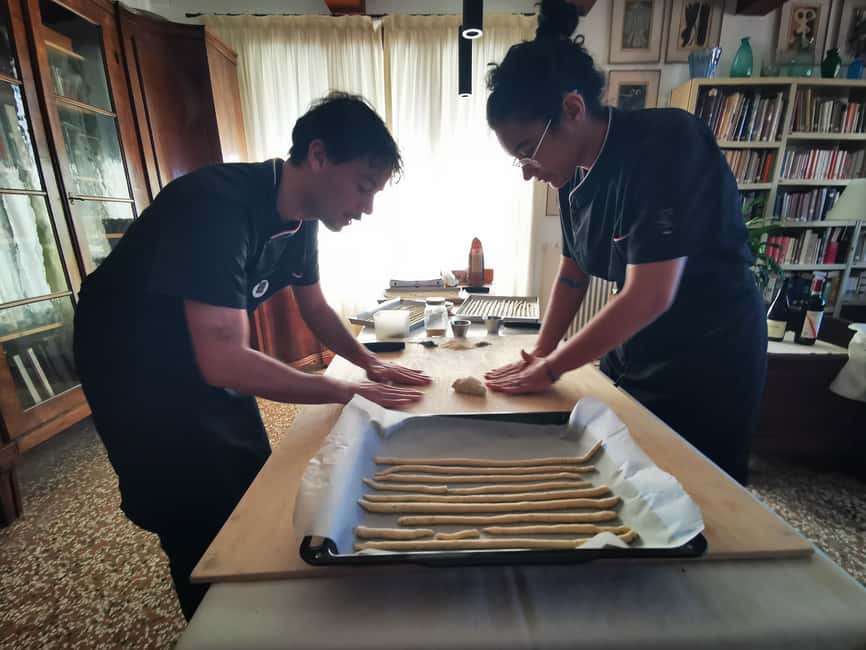
- Hands-on fresh pasta practice: you don’t just watch, you do the work.
- Tiramisu taught as a process: you’ll follow the steps and understand how it comes together.
- Chefs who teach clearly in English: instructors such as Anthea, Mauro, Jackamo, and Marco are described as patient and good at explaining.
- You eat as a group: family-style meal means sharing dishes and time to talk.
- Sweet and bright finish: homemade limoncello plus espresso, with a small farewell gift.
More Venetian benches for glass, paper and paint:

Inside a 16th-century Venetian palace kitchen
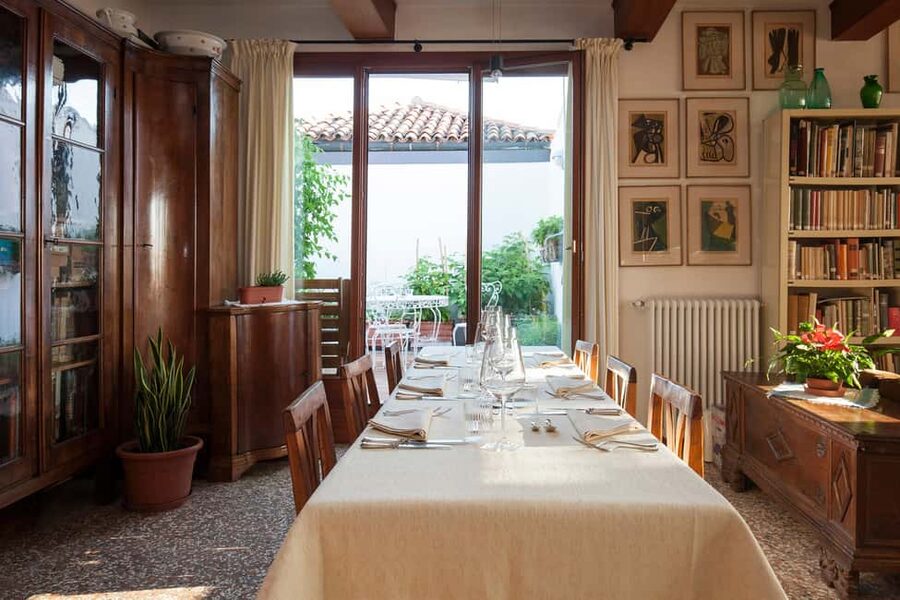
Venice does a lot of things well, but it can also turn into a highlight reel of crowds and photo stops. This experience gives you something calmer and more personal: cooking in a historic building where the kitchen has a sense of belonging, not performance.
The class takes place in a 16th-century Venetian palace, on the third and top floor. That matters. You’re not dealing with a cookie-cutter studio. You’re learning in an older home space, and that tends to make the whole session feel grounded and local, like you’re stepping into someone’s real routine rather than attending a show.
Chef-led teaching is central here. The instruction is in English, and the style described is very practical, with clear step-by-step guidance and time to get your hands doing the right actions. In the reviews, chefs including Anthea and Mauro are singled out for teaching with patience and good humor, while other instructors such as Jackamo and Marco are noted for clear explanations. Even if you’re a total beginner, that kind of coaching is exactly what you want in a hands-on cooking class.
And yes, you’ll get to work like a small brigade. The highlight wording even calls out the team feel, and the best classes are the ones where you’re not waiting forever for one person to finish. You’ll be participating, learning the logic behind the recipes, and then moving toward a shared table.
The 3.5 hour flow: learn, cook, eat, repeat
This is a 3.5 hour experience, and it follows a simple rhythm: a hands-on learning session, then a family-style meal with the dishes you made.
That timing is useful. It’s long enough to actually build skills, but not so long that you lose focus or feel exhausted. Also, it’s structured so you’re not stuck in one single task for the entire evening. You’ll work on different items, which helps if you learn better by doing multiple things rather than repeating one motion for hours.
Here’s what you can expect, in real-world terms:
- You’ll meet the chef and the group, and the start often includes a welcome drink. Some sessions are described with prosecco before cooking begins, which sets a friendly, social mood.
- The cooking begins with fresh pasta making and then moves into the classic tiramisu workflow.
- After cooking, you sit down for a family-style meal. The idea is shared plates, not a formal restaurant pattern.
- The finish includes homemade limoncello, espresso, and a small farewell gift.
If you’re wondering whether you’ll feel rushed, the length and the two-part structure give you a fair chance to learn and still enjoy the meal. The most common “value” complaint with cooking classes tends to be too much waiting, too much watching, or too little time to actually taste. This format is designed to avoid that by keeping you active early and then rewarding you with the shared table afterward.
Fresh pasta making: the hands-on skill you take home
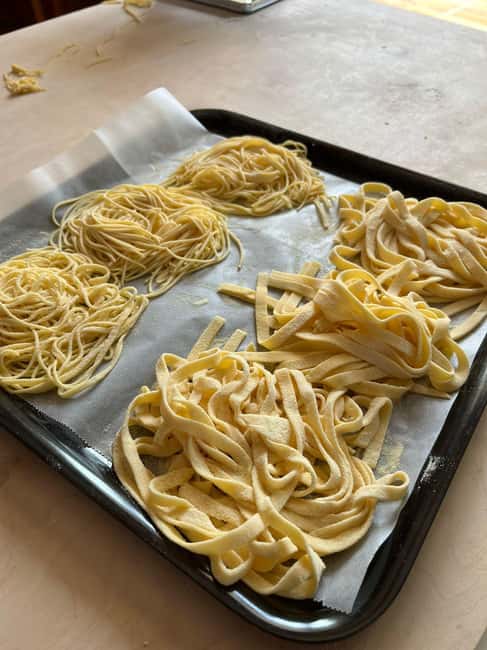
Fresh pasta is the part that most directly changes how you cook at home. Store-bought pasta is fine. But once you’ve handled dough, shaped something, and learned what proper texture looks like, you stop guessing and start trusting your senses.
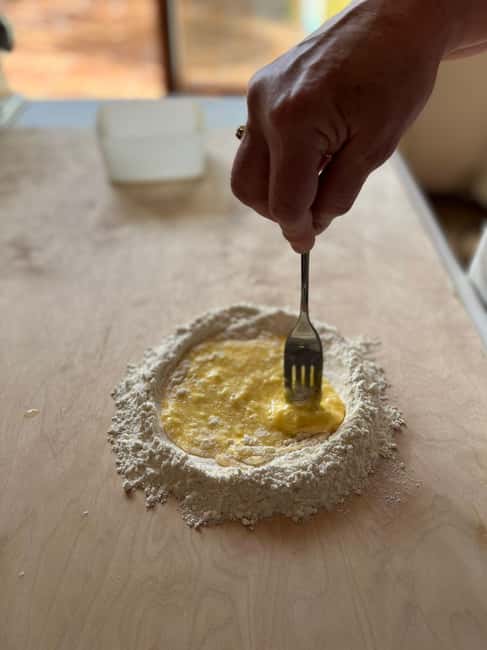
In this class, you learn to master three iconic recipes, including fresh Italian pasta. The key is that you’re not just following one recipe blindly. You’re practicing techniques that explain why Italian cooks are so consistent about dough and timing.
From the experience descriptions and the way the class is taught, you can expect these pasta-focused moments:
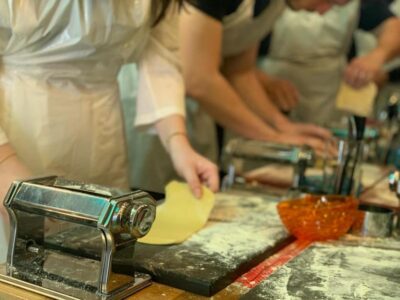
- Preparing and shaping dough using a guided, step-by-step approach
- Learning the basics of timing, so pasta goes from work surface to serving without turning gummy or overcooked
- Getting help while you work, not after you’ve already messed up
What I like about this approach is that it teaches you the method. When you return home, you can still find pasta recipes all day long. The hard part is knowing what the dough should feel like and what the cooking stage should look like. A good teacher makes those invisible signals visible, and multiple instructors (including Mauro and Anthea in the descriptions) are praised for doing exactly that.
Also, the class experience includes a sense of “kitchen brigade” teamwork. In practical terms, that means you’re likely sharing tasks, passing ingredients, and working alongside others rather than waiting for the chef to do everything while you stand by.
A few more Venice outings worth comparing
- Traditional Home Cooking Experience in Venice
★ 5.0 · 377 reviews - Market Tour and Cooking Class with a Local Venetian Chef
★ 5.0 · 313 reviews - Small Group Pasta and Tiramisu Class at Local’s Home in Venice
★ 4.5 · 236 reviews - Venice: Pasta Class with Wine and Gelato
★ 4.9 · 225 reviews - Rialto Market Tour & Private Cooking Class in the Heart of Venice
★ 5.0 · 106 reviews
Tiramisu in a real Italian dessert workflow
Tiramisu can look simple, but it’s actually a rhythm recipe. The balance is in timing and texture, not just ingredients. This class treats it that way, with a hands-on tiramisu portion taught from start to finish.
Why that matters: tiramisu fails when the sponge absorbs too much, or when the layers aren’t built with the right pace. The best teaching method is one where you understand the sequence and what each step accomplishes.
In this experience, the tiramisu section is part of the main hands-on cycle, not a quick demonstration. That gives you a chance to feel how the dessert comes together. Then the tasting happens as part of the family-style meal, so you can compare the outcome against what you did.
A nice touch is the way the class layers the tasting experience. You’re not just eating dessert as a final afterthought. You also get the savory dishes from your cooking, plus the traditional finish drinks. That makes the entire evening feel like a full Italian meal rather than a dessert workshop.
Venetian-style sauce and seasonal flavors
In addition to pasta and tiramisu, you’ll learn about a sauce made with seasonal vegetables and enriched with high-quality proteins, following a Venetian tradition that often includes seafood and more.
Even if you’re not a seafood person, pay attention to what this suggests about the sauce philosophy. Venetian cooking leans into what’s local and in-season, then builds richness with the right proteins and timing. That’s the kind of idea you can carry home, even if you swap ingredients based on what’s available in your local market.
In other words, the sauce isn’t only about a specific recipe. It’s about learning how seasonal produce and protein work together so the sauce tastes layered, not just salty or oily.
If you’re someone who usually skips the sauce step because it feels intimidating, this class is a good place to demystify it. You’ll have direction while you cook, and then you’ll taste what that direction created.
The family-style meal: why it feels more Italian than touristy
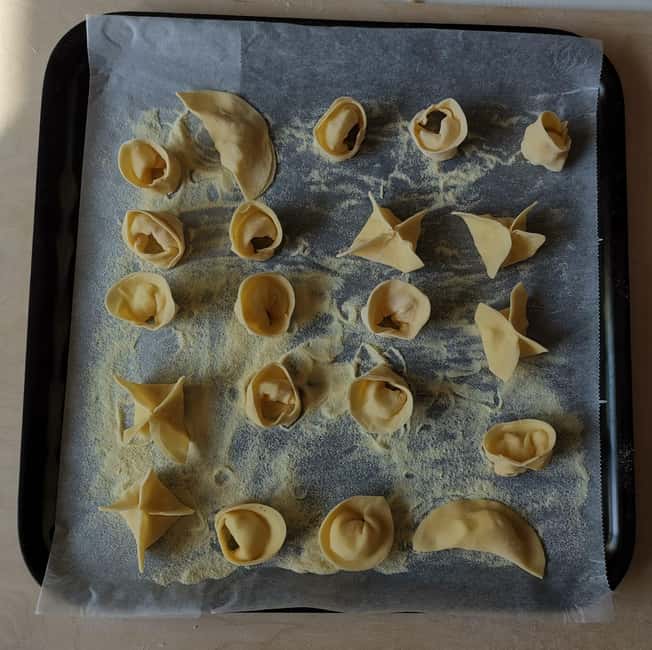
The best part of many cooking classes is also the hardest to design well: the meal. This one leans into family-style eating, meaning you share dishes and enjoy them together.
That structure does two helpful things for you:
- It slows the night down after the work. You’re not rushing from station to station.
- It turns the group into a shared table community, not separate individuals following a checklist.
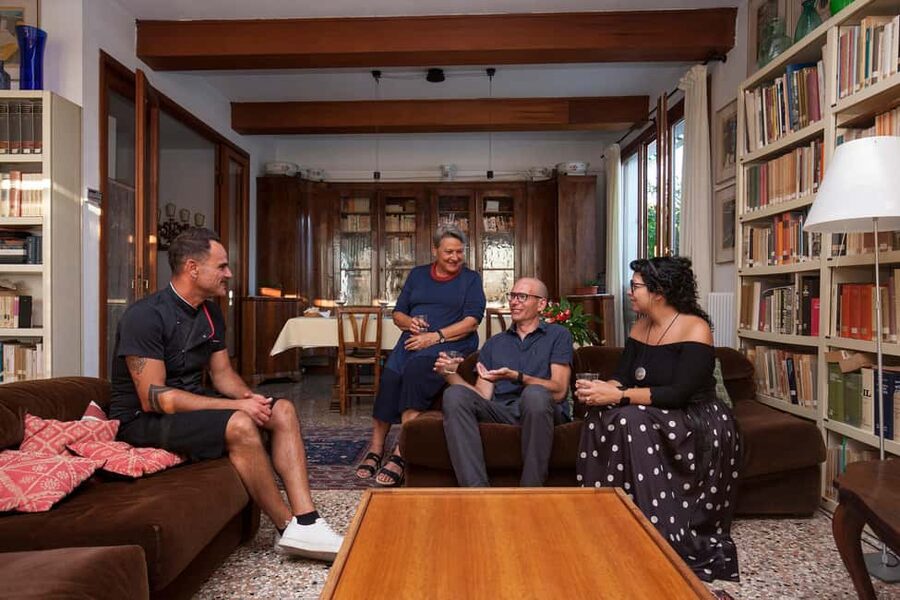
Reviews consistently mention a friendly atmosphere with conversation and interaction. People describe arriving, chatting, and then cooking together at stations. Even when people come as couples or solo, the format seems to encourage mixing, and that matters if you’re traveling alone or looking for a low-effort way to meet others.
And yes, there’s alcohol and coffee. The experience includes homemade limoncello and espresso, plus wine. The included wine detail is specific: one bottle of wine for every three people. That’s a practical detail because it tells you the wine offering is meant to accompany the meal without turning the experience into a party.
The result is an evening that feels like food, conversation, and technique all together, in a setting that still looks and feels Italian after the cooking stops.
Drinks, espresso, limoncello, and the small farewell gift
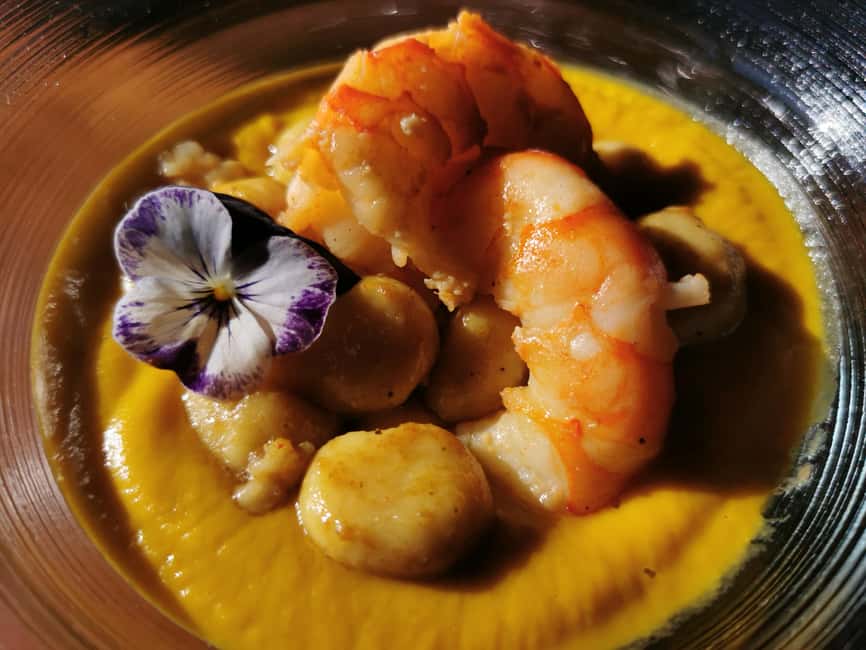
No Italian meal is complete without a final sip and a last bite. Here, you get a homemade limoncello to close things out, then espresso, and a small farewell gift.
The limoncello part is especially satisfying because it reframes the ending from tourist souvenir to something tied to the meal itself. Espresso matters too, because it’s not just a caffeine refill. It signals the end of the course rhythm.
The farewell gift is small, but think of it as a practical memento, not a big marketing item. It’s the kind of item that reminds you, later, that you actually learned and made something, instead of only tasting.
Price and value: what $85 buys you in Venice
At $85 per person for 3.5 hours, this sits in the practical middle of Venice cooking classes. The key is to judge it by what’s included and what you actually do.
Here’s what you get that most strongly supports the price:
- Professional chef instruction in English
- Hands-on cooking (fresh pasta and tiramisu, plus the sauce component)
- All ingredients for the recipes you make
- Family-style meal with the dishes prepared
- Homemade limoncello
- Espresso
- Small farewell gift
- Wine (one bottle for every three people)
When a cooking class includes ingredients, chef time, tasting, and drinks, you’re not paying just for a seat. You’re paying for a whole evening of supervised cooking, plus the meal you would otherwise pay for in a restaurant.
Also, this class is in a historic palace setting. That’s not just marketing. A unique location often translates into better atmosphere and a more memorable evening, especially in Venice where many indoor activities feel like plain venues.
If you’re comparing options, focus on two value questions:
- Do you cook, or do you watch?
- Does the night end with a real shared meal, or just a couple of bites?
From the structure and included items here, the experience is clearly built around doing the cooking yourself, then eating together.
Who this class suits, and who should think twice
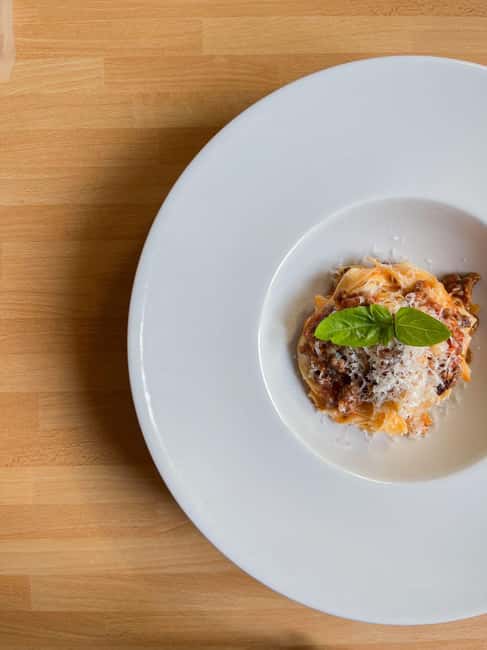
This is a good fit if you:
- Want a hands-on Venice activity that feels local rather than staged
- Enjoy learning techniques you can repeat at home, especially for pasta and tiramisu
- Like a group environment with conversation, since the welcome and kitchen workflow encourage interaction
- Prefer a guided class where you can ask questions while cooking
It might not be ideal if:
- You’re sensitive to stairs. The class is on third and top floor levels with no elevator, and you’ll stand for a portion.
- You need wheelchair access, because it’s not suitable for wheelchair users per the provided details.
- You have dietary restrictions or allergies and you haven’t informed the organizers in advance. The experience asks you to notify them ahead of time, so don’t wait until the last minute.
There are also age and weight limitations listed in the details (including children under 2, and multiple weight thresholds). If you’re within those limits, it’s straightforward. If you’re near the edge, check the specifics to avoid an unpleasant surprise.
How to prepare: stairs, shoes, and good questions
This is a practical experience. Show up ready, and you’ll enjoy the learning part instead of focusing on discomfort.
Bring:
- Comfortable shoes (you’ll stand for part of the class)
- Water
- A camera if you like to capture the palace setting and the hands-on moments
Also, be ready for the social element. The highlight wording suggests a moment where the group shares about themselves, which is part of the kitchen-brigade feel. If you’re shy, you can still participate. A simple answer about where you’re from or what kind of food you love goes a long way.
Before you go, if you have dietary needs, plan ahead and notify the team in advance. The class requires knowing about restrictions and allergies ahead of time, and that’s for good reason: it affects what ingredients you can use without changing the whole recipe.
During the class, ask questions. The instructors mentioned in the experience descriptions, including Anthea, Mauro, Jackamo, and Marco, are praised for explaining steps clearly. That means your questions won’t be treated as interruptions, they’ll be treated as part of learning.
Should you book this Venice pasta and tiramisu class?
I’d book it if you want a Venice evening that’s hands-on, food-centered, and not just a look-at-something moment. The combination of fresh pasta making, a properly taught tiramisu, and a family-style meal with limoncello and espresso is a strong package for $85, especially since ingredients and instruction are included.
I’d skip it if stairs or standing time are an issue for you, because the location is on upper floors with no elevator. In Venice, that’s not a minor detail, it’s the whole access challenge.
If you like learning techniques you can repeat at home, and you enjoy cooking with other people, this is one of those experiences that leaves you with more than photos. You’ll go home with skills, plus the memory of eating what you made in a historic Venetian palace kitchen.
FAQ
How long is the Venice cooking class?
The class lasts 3.5 hours.
Is the instruction available in English?
Yes, the instructor teaches in English.
What recipes will I learn to make?
You’ll learn to make fresh Italian pasta and tiramisu, plus a seasonal-vegetable sauce enriched with high-quality proteins.
What drinks are included?
The experience includes homemade limoncello and espresso, and it also includes wine (one bottle for every three people).
Is the class hands-on or mostly watching?
It’s hands-on. You participate in making the dishes with guidance from the professional chef.
Where does the class take place?
It’s held in a 16th-century Venetian palace, on the third and top floor.
What should I bring and wear?
Bring comfortable shoes, water, and a camera. You should wear shoes suitable for standing during part of the class.
Are dietary restrictions accommodated?
You should notify the organizers in advance if you have dietary restrictions or allergies.
More Pasta in Venice
- Venice: Jewish Ghetto & Cannaregio Area Food Tour: Pasta Wine Gelato and More!
★ 4.5 · 274 reviews - Cesarine: Private Pasta and Tiramisu Class in a Local Venice Home
★ 5.0 · 37 reviews - Venice: Share Your Pasta Love in a Local’s Home
★ 4.8 · 20 reviews - Venice Hands-On Bigoli Pasta Class : Cook & Taste Local Recipes
★ 5.0 · 20 reviews
Lately added around Venice


Cooking Classes, compared.
Pasta and Tiramisu Cooking Class with Wine in Venice
Read our review →
Traditional Home Cooking Experience in Venice
Read our review →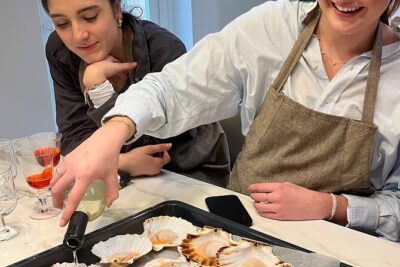
Market Tour and Cooking Class with a Local Venetian Chef
Read our review →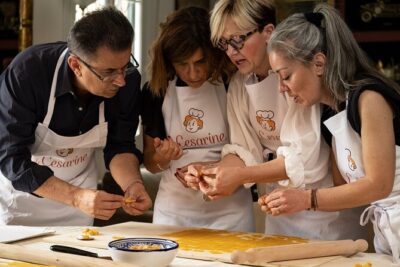
Small Group Pasta and Tiramisu Class at Local’s Home in Venice
Read our review →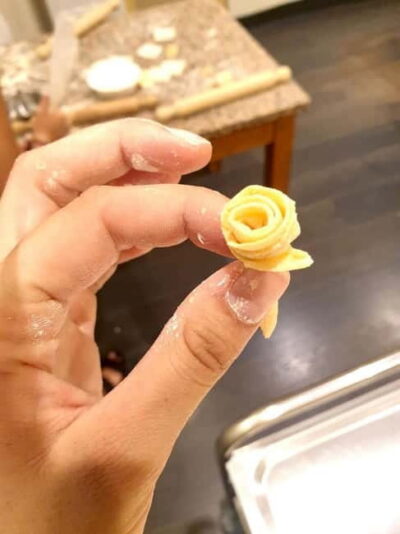
Rialto Market Tour & Private Cooking Class in the Heart of Venice
Read our review →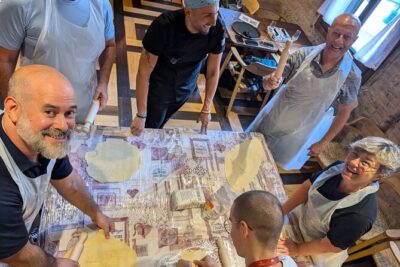
Venetian Secrets 3 course Cooking Class and Unlimited Prosecco
Read our review →Browse the lists this tour appears in