
Reviewed · HIDDEN GEMS & BACKSTREET TOURS
Venetian Secrets 3 course Cooking Class and Unlimited Prosecco
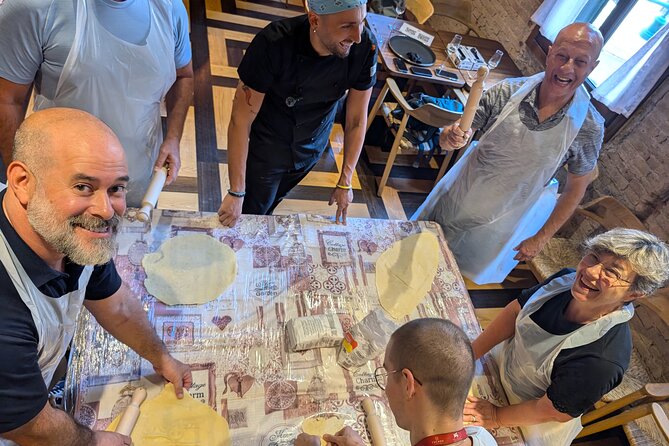
Venice tastes better when you make it. This three-course cooking class has you rolling dough, learning Venetian flavor tricks, and then sitting down to eat what you cooked, paired with unlimited Prosecco during the class. It is set up for English speakers and capped at a small group size, so you are not just watching from the sidelines.
I especially like the combination of skills and payoff: you learn how to build a typical Venetian sauce and make tiramisù from scratch, then you get to enjoy it right away with your group. One drawback to consider is that, while Prosecco is sold as unlimited during the experience, there is one complaint about slow refills and a perceived limit, so manage expectations and keep an eye on service timing.
In This Review
- Key points before you go
- Venetian kitchen secrets, done in a real hands-on way
- Where you meet in Venice, and what to expect in the space
- The 2.5 hour cooking flow: starter, fresh pasta, tiramisù
- Starter: seasonal Venetian style, often like bruschetta
- Main course: fresh pasta plus a typical Venetian sauce
- Dessert: tiramisù made in the class kitchen
- Prosecco in the room, and how to think about the word unlimited
- Instructors and small-group attention: what max 15 really changes
- What you take home, beyond recipes
- Price and value in Venice: what $95.54 really buys
- Who should book this class, and who might rethink it
- Should you book this Venetian Secrets 3 course class?
Key points before you go
- Small group size (max 15) means more hands-on time and easier help at the counter
- Fresh pasta plus tiramisù covers the two classic Venetian strengths, dough work and dessert technique
- Prosecco during the experience is part of the pacing, not a post-dinner bonus
- Story-driven instruction shows how these dishes fit Venetian everyday life, not just recipes
- Multiple instructor styles you might meet chefs like Paolo/Paulo, Giorgia, or Francesca, all described as fun and patient
More prosecco poured up in the hills:



Venetian kitchen secrets, done in a real hands-on way
If you want Venice without the museum shuffle, this kind of class hits a sweet spot. You get a kitchen rhythm you can understand fast: make, taste, adjust, and then eat. The menu is designed to teach you different skill types in one sitting: a seasonal starter to get your palate warmed up, a main course built around fresh pasta and a typical Venetian sauce, and a tiramisù that teaches you dessert layering and timing.
The best part is how the learning and the meal stay connected. You are not cooking for an invisible future. You cook, you sit down, and you eat your own food. That is why it feels like more than a cooking demo and why people rate it so highly for the overall experience.
The class also leans into the culture piece, with stories about how the dishes became part of Venetian society today. That matters because it turns recipes into context. You start to understand why certain textures, flavors, and steps exist, instead of treating the method like a random checklist.
Where you meet in Venice, and what to expect in the space
You start at Campo San Gallo, Sotoportego del Cavalletto, 1117, 30124 Venezia VE, Italy. The activity ends back at the meeting point, so you do not get dropped into a maze with no plan.
Venice logistics can be tricky, so I like that this is near public transportation. Also, the experience is hosted in a space described as an upstairs dining or bar area, which usually means two practical things: you avoid the feeling of being in someone’s cramped back room, and you can hear the instructor better while staying close to your station.
You should also be prepared for the basic Venice reality of getting to a specific calle and portego. Bring a map in your phone, give yourself a few extra minutes, and aim to arrive on time. When you are starting a hands-on session, late arrivals can throw off the pacing.
The 2.5 hour cooking flow: starter, fresh pasta, tiramisù
This is built as a three-course, do-it-yourself session, roughly 2 hours 30 minutes. Exact timing can vary by group, but the structure stays consistent: prep and cook your starter, make and shape your pasta, then finish with tiramisù. When you do it this way, you end up learning each recipe step-by-step while ingredients are fresh and the room is still in kitchen mode.
Other walks through the quieter calli:
- Tour of The Real Hidden Venice
★ 5.0 · 2,006 reviews - Venice: Off the Beaten Path Private Gondola Ride
★ 4.3 · 703 reviews - Secret Venice & Gondola Tour
★ 4.3 · 458 reviews - Venice Private Gondola Ride: Explore Hidden Canals and Sights
★ 4.0 · 334 reviews - Venice:Theatrical Walking Carnival Show & Casanova’s Secrets
★ 4.5 · 319 reviews
Starter: seasonal Venetian style, often like bruschetta
Your first course is listed as a Seasonal Venetian Starter. In the feedback, many people connect it with bruschetta, which is a good sign because bruschetta is a smart starter for a class. It gives you quick wins, teaches flavor balancing, and keeps you from waiting too long before tasting real results.
Expect the starter portion to be practical rather than fussy. You likely get direction on prep and seasoning, and you see how it fits with what comes next, especially the way the main sauce complements the starter flavors.
Main course: fresh pasta plus a typical Venetian sauce
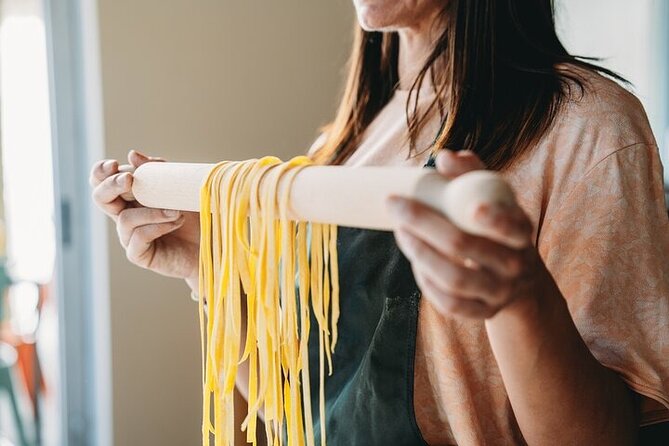
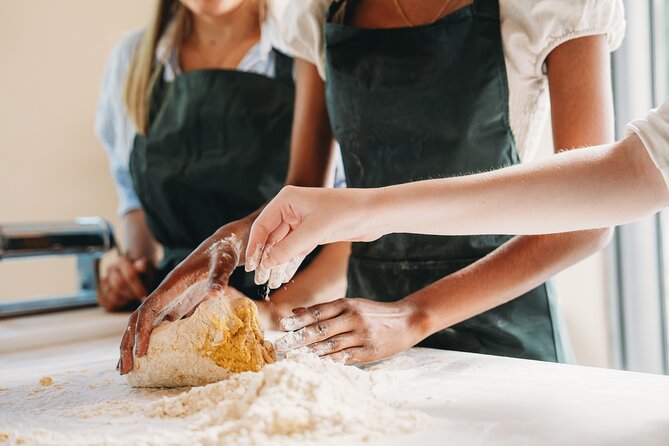
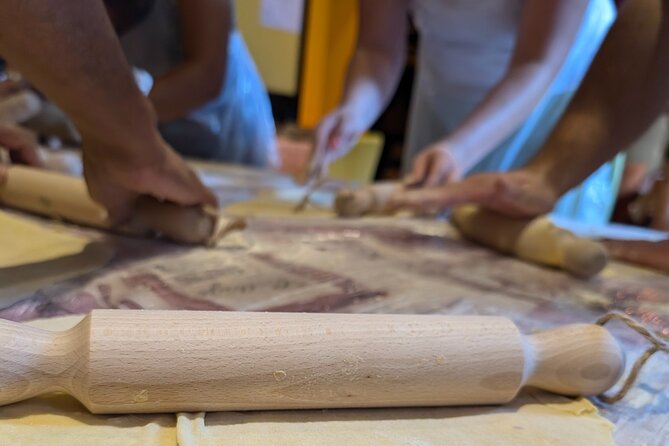
This is the headline skill. You roll dough and learn how to shape pasta while the instructor explains what matters in texture and handling. Several people specifically call out rolling pasta and getting advice on what to look for while working dough.
One useful technique mentioned is checking the pasta against light to spot imperfections. That kind of tip is exactly the sort of thing that helps at home too, because you stop guessing and start visually correcting.
You also learn about the sauce. The menu describes pasta with a typical Venetian sauce, and feedback mentions options like tagliatelle-style pasta. If the class gives you pasta choices, you can end up with a meal that feels a bit tailored, not standardized.
A big value point here is that you are not just learning how to cook one thing. You are learning how dough behaves and how sauce ties into the final bite.
Dessert: tiramisù made in the class kitchen
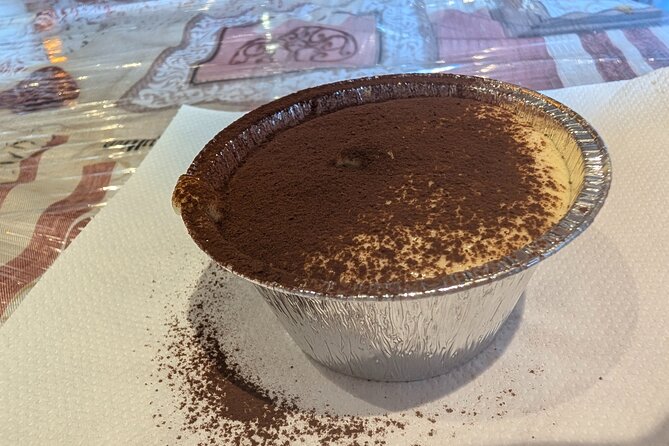
For many people, tiramisù is the emotional close. It is also a smart teaching tool because it forces you to handle delicate steps carefully. People mention that the class includes guidance on making tiramisù, including key points that make the texture work.
There is one small practical consideration you should know about. In at least one case, the tiramisù ended up prepared together and then served portions afterward, rather than tagging each dessert as your specific one. That does not ruin the experience, but it is a reminder that the class is still a group operation.
Even so, tiramisù benefits you as a take-home recipe. It is forgiving once you understand the method, and it gives you an impressive dessert skill without needing an advanced kitchen setup.
Prosecco in the room, and how to think about the word unlimited
Prosecco is included as part of the experience, with an important detail: it is offered during the class, not after. That means it is part of the pacing while you cook and eat together.
Most of the reviews praise it as a perfect match for the work and the social mood of the kitchen. People also describe the instructor as fun and the atmosphere as relaxed, which likely helps the Prosecco feel natural rather than forced.
Still, there is one notable negative. One person complained that Prosecco refills were delayed and that later there appeared to be a limit, despite the unlimited wording. That is not how you want your experience to feel, especially when you picked the class partly for the included drinks.
So here is the practical take: show up ready to enjoy it, but do not plan your entire night around a specific refill schedule. If you notice you are waiting, politely flag it early. Clear communication works better than trying to power through an issue at the very end.
Instructors and small-group attention: what max 15 really changes
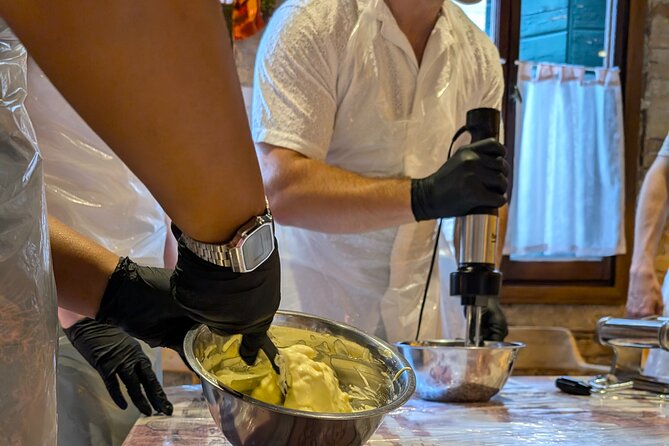
The experience limits the class to a maximum of 15 travelers. In a cooking class, that number matters. With a smaller group, you get more chances to ask questions, more help when your dough sticks, and fewer long pauses waiting for the instructor to circle back.
The names you might meet based on feedback include Paolo/Paulo, and also instructors like Giorgia and Francesca. Across the comments, the most consistent theme is patient, friendly instruction with an emphasis on making sure everyone feels included. People also mention humor and an easygoing tone, which helps when you are learning a new skill with your hands instead of your phone.
Another practical point: one review highlighted that the team gave everyone jobs and spread the work out. That is a good sign. In kitchens, the difference between a great class and an awkward one is whether you actually get to participate. When tasks are distributed, you stop feeling like an observer and start feeling like a teammate.
If you are traveling solo, the small group size can also be an advantage. You get conversation time while everyone is focused on cooking rather than just standing around.
What you take home, beyond recipes
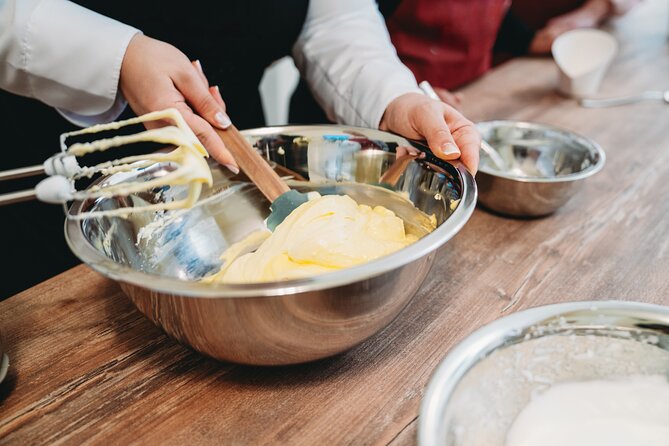
This class is not only about eating pasta in Venice. It is about learning the mechanics behind three iconic dishes: fresh pasta, a typical Venetian sauce, and tiramisù.
You can expect to leave with more than a vague sense of what to do next time. The instruction is aimed at helping you reproduce the skills at home. That usually means you learn:
- how to handle dough and roll it properly
- how to make pasta that actually feels right to work with
- how to approach sauce as a finished flavor, not just a topping
- how tiramisù layering works so it sets the way you want
You will also come away with practical ideas for improving at home. Tips like checking dough by holding it up to light, or knowing what to look for visually, are the kind of guidance that turns one successful attempt into repeatable success.
One more thing: because you eat what you make, you get immediate feedback. If something tastes off, you remember what you did, not just what the recipe said.
Price and value in Venice: what $95.54 really buys
At $95.54 per person for about 2 hours 30 minutes, you are paying for a three-course meal, ingredients, instruction, and Prosecco during the experience. In Venice, that bundle is often the difference between a cheap meal and a full evening memory.
Here is how I think about value for this class:
- You get hands-on instruction for multiple dishes, not just one recipe
- You eat a full meal you helped create, which feels more substantial than a tasting-only activity
- Prosecco is included during the class, which boosts the social and comfort factor in a city where evening plans add up
Where value can dip is the Prosecco controversy mentioned earlier. If that issue affects service quality for your session, it would change how you feel about the price. But with the overwhelmingly positive feedback, the bigger picture is that most people see it as a satisfying, good-price way to do something more personal than sightseeing.
Who should book this class, and who might rethink it
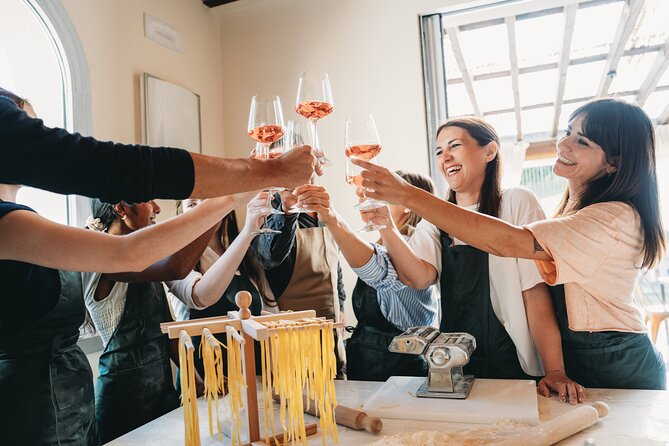
I think this fits best for people who want a break from wandering and want a structured, enjoyable way to learn Italian cooking in Venice. It is especially good if you:
- like interactive activities where you actually cook
- want to try fresh pasta and tiramisù without guessing
- enjoy social dining moments, where conversation happens naturally at the table
- appreciate cultural context, like stories about how these dishes show up in everyday Venetian life
It might be less ideal if you are strict about the Prosecco label. Even with the unlimited wording, the one reported service failure is a reminder that drink logistics can vary in any shared setting. If you mostly want soft drinks or you prefer to control timing tightly, you might still have fun, but do not treat the Prosecco as guaranteed in the exact way you might imagine.
Also, if you dislike group work or hands-on cooking, you might find it stressful. This class is built around participation and doing the work yourself.
Should you book this Venetian Secrets 3 course class?
I would book it if you want a practical Venice experience that trades photos for skills and a real meal. The best reasons are the hands-on fresh pasta work, the included three-course payoff, and the small-group format that keeps you involved. The Prosecco also adds a fun, festive edge during the cooking and meal.
My only hesitation is that Prosecco service complaint. If that matters a lot to you, go in with a flexible mindset, and if you are short on drinks, flag it early instead of waiting until the end.
If you want one high-impact evening in Venice that feels both authentic and useful, this is a strong choice.
More Cooking Classes in Venice
- Traditional Home Cooking Experience in Venice
★ 5.0 · 377 reviews - Market Tour and Cooking Class with a Local Venetian Chef
★ 5.0 · 313 reviews - Small Group Pasta and Tiramisu Class at Local’s Home in Venice
★ 4.5 · 236 reviews - Venice: Pasta Class with Wine and Gelato
★ 4.9 · 225 reviews
Glass, Paper and Paint
- Venice: Carnival Mask Workshop
★ 4.5 · 1,925 reviews - Venice: Pasta and Tiramisu Cooking Class with Wine
★ 4.9 · 1,010 reviews - Pasta and Tiramisu Cooking Class with Wine in Venice
★ 5.0 · 945 reviews - Create Your Glass Artwork: Private Lesson With Local Artisan
★ 5.0 · 556 reviews
Lately added around Venice


Hidden Gems & Backstreet Tours, compared.



Venice Private Gondola Ride: Explore Hidden Canals and Sights
Read our review →

Venice 3,5 hrs tour: Doge’s Palace, St Mark’s and Hidden Gems
Read our review →
Private Secret Venice Tour; Rialto Market, San Polo & Food and Wine tasting
Read our review →Browse the lists this tour appears in