
Reviewed · CYCLING TOURS
Lido Bike Tour: With a Local on the Island of Cinema
Lido feels like a side door to Venice. This 4.5-hour Lido bike tour with local guide Valerio Coppo connects film-festival landmarks to quiet lagoon corners, with lots of riding away from main roads. I love that the route includes both big-name icons and calm stops like the old cemetery and dune beaches, plus you get a shortcut to the island’s best sights without guessing your way around.
Two things I especially like: first, you get bikes sorted in advance (you choose the type, then ride right away), and second, the tour mix is real, not just pretty viewpoints. One drawback to consider: parts of the ride can feel a little rough or sandy, so wider tires can make the trip more comfortable if your bike choice allows it.
In This Review
- Key things that make this Lido tour worth it
- Why Lido by bike beats trying to do it alone
- Meeting at Santa Maria Elisabetta, then picking your bike type
- Cimitero Ebraico: a calm stop that changes how you read the island
- Chiesa di San Nicolo al Lido and the Marriage of the Sea link
- Faro di San Nicolò: where the coastline and old hotel outlines come into view
- Grand Hotel des Bains and the Film Festival glamour, without the crowd pressure
- Murazzi Free beach and the sea wall engineering you can ride beside
- Alberoni dunes: the beach side that feels quiet even in Venice season
- Malamocco: the fisherman village feel and the less-overwhelming lagoon town vibe
- Poveglia and the Lazzaretto sites: quarantine, mental health, and the stories people repeat
- Grande Albergo Ausonia Hungaria: early 1900s luxury seen up close
- Price and value: what you’re paying for at $203.50 per person
- Pace and bike comfort: what you should consider before you commit
- Who this tour suits best (and who might want something else)
- Should you book the Lido Bike Tour with Valerio?
- FAQ
- How long is the Lido bike tour?
- Where does the tour start?
- Is the tour in English?
- What is the group size?
- What bike options are available, and is the bike included?
- What does the tour include?
- What level of fitness is required?
- Does the tour require good weather?
- What’s the cancellation window?
Key things that make this Lido tour worth it
- A local-guided shortcut across the island’s highlights, with interpretation as you go
- Film-festival linked stops and references to Grand Hotel des Bains and Hotel Excelsior
- Car-free feeling stretches, including forest reserves, canals, and scenic sea-wall riding
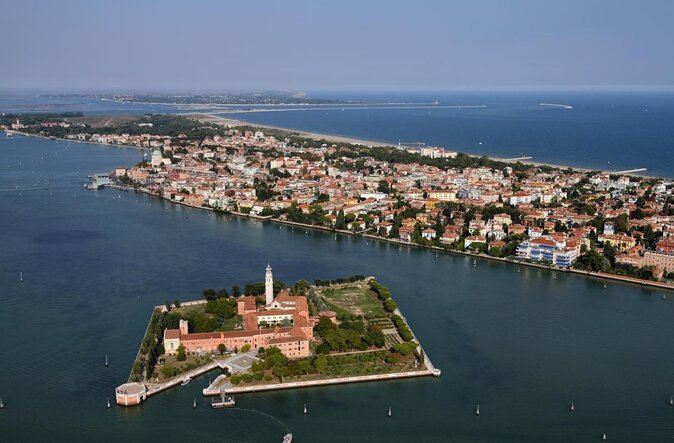
- Lagoon islands with big backstories, like Poveglia and the Lazzaretto sites
- Beach time without the crush, especially along Alberoni dunes and the Murazzi area
- Small group size (max 10) so you can actually ask questions and keep your pace
Weighing this against the rest? These sit a few bridges away:
Why Lido by bike beats trying to do it alone
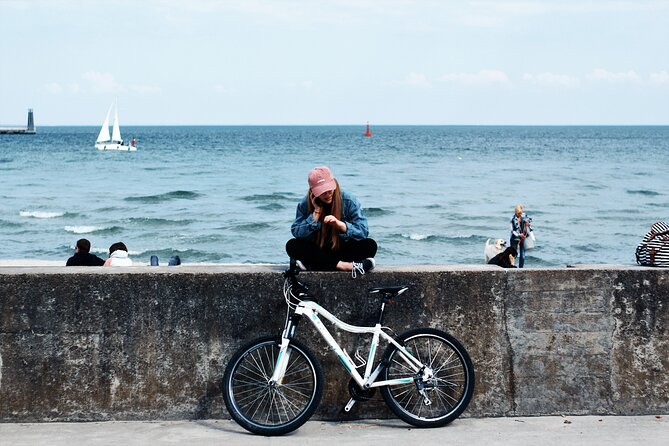
Venice can be loud, slow, and crowded all at once. Lido is different. It’s a long, stretched-out island where you can shift from film-festival glamour to dunes, canals, and fishing villages in a single afternoon, and biking makes that shift easy.
What I like about this tour is that you’re not just ticking off sights. You’re moving through the island the way locals experience it, with a guide pointing out why specific places matter. That turns Lido from a vague day trip into a map you understand by the end.
Also, the timing works. At about 4 hours 30 minutes, you get a full loop of the island and nearby lagoon stops without feeling like you need an entire day to make it worth the ferry or water transport.
Meeting at Santa Maria Elisabetta, then picking your bike type
You start at Santa Maria Elisabetta on Lido (30126). It’s also the point where you begin the riding portion after bike setup. Past groups have found the meeting point easy to reach, especially because it’s near the water taxi area.
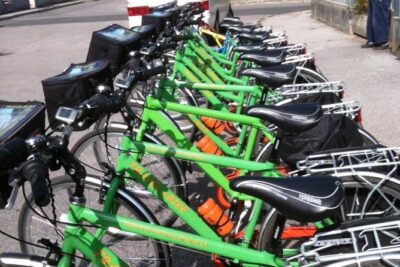
You then choose your bike style, and the rental is handled for you. Options listed include:
- City bike (10 €)
- Tandem (20 €)
- E-bike (20 €)
- Fat bike (18 €)
- E-fat bike (30 €)
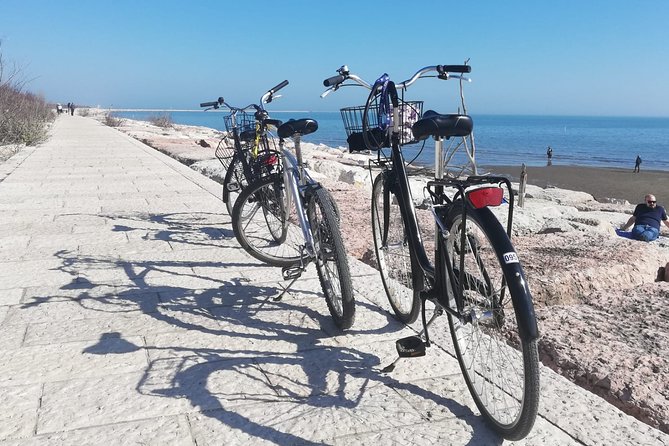
Here’s the practical angle: Lido is very rideable, but some paths can be sandy or uneven. One reviewer specifically suggested asking for wider tires for this route, because the ride can include rough spots and softer ground. If you’re not sure which bike to pick, lean toward the fat bike styles, especially if you want extra comfort.
You don’t need to be an athlete for this. The tour indicates moderate physical fitness is the right level for most people, and the ride options help different comfort levels.
Cimitero Ebraico: a calm stop that changes how you read the island
The first heritage stop is the Cimitero Ebraico (Jewish Cemetery). It’s quiet now, but it served as Venice’s main Jewish cemetery from 1386 until the 18th century. From the gate, you can see tombs with design styles that range from Venetian Gothic to Ottoman influences.
This is one of those stops where biking actually helps. You arrive without the stress of crossing busy roads, and the pace gives you a moment to look, then roll on. Also, it’s a reminder that Lido is not only beaches and hotels. It holds layered Venice stories.
The visit window is short (about 15 minutes), so keep your expectations right. This isn’t a full cemetery tour with long lectures. It’s more like a guided orientation, with enough context to make the place meaningful before you move on.
The same hours, spent on the water instead:
- Boat Trip: Glimpse of Murano, Torcello & Burano Islands
★ 4.3 · 15,699 reviews - Venice: La Fenice Opera House Entry Ticket with Audio Guide
★ 4.6 · 11,742 reviews - Murano & Burano: Boat Tour with Guide & Glass Factory Visit
★ 4.3 · 10,716 reviews - Venice: Burano, Torcello & Murano Boat Tour w/Glassblowing
★ 4.4 · 10,245 reviews - Murano, Burano and Torcello Half-Day Sightseeing Tour
★ 3.5 · 7,928 reviews
Chiesa di San Nicolo al Lido and the Marriage of the Sea link
Next up is the Chiesa di San Nicolo al Lido, tied to a centuries-old maritime ceremony. This is where the traditional thanksgiving mass of the Sposalizio del Mare (the Marriage of the Sea) is performed.
If you only know Venice as canals and architecture, the ceremony connection helps you understand the island’s role in maritime Venice. Lido is part of how Venice projected power at sea, and this church stop makes that idea concrete without turning it into a lecture marathon.
It’s another about 15 minutes stop, so it pairs well with the bike rhythm. Look at the church, absorb the “why,” then keep moving.
Faro di San Nicolò: where the coastline and old hotel outlines come into view
After biking through a protected natural zone, you continue along an old pier between the sea and the harbor mouth until you reach Faro di San Nicolò, the lighthouse.
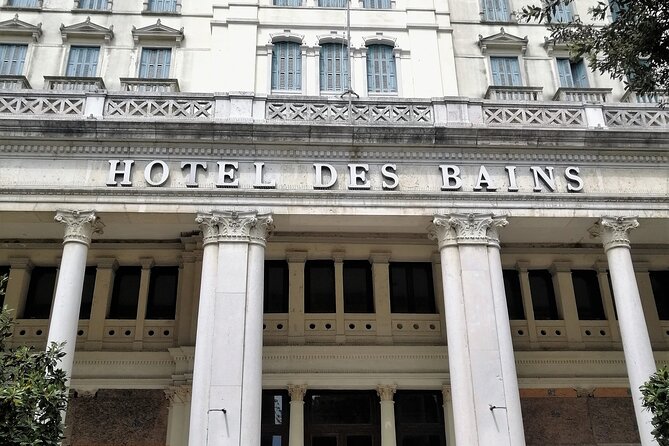
This is a great moment in the tour because your senses shift. You get open sightlines for the Lido coastline, and you also see the outlines of the iconic Grand Hotel des Bains and Hotel Excelsior. Even if those names mean little to you at first, you’ll connect them quickly to the film references later.
At about 15 minutes, the lighthouse stop is brief, but it’s paced perfectly. You get a landing point for photos and a guided explanation for why this stretch matters.
Grand Hotel des Bains and the Film Festival glamour, without the crowd pressure
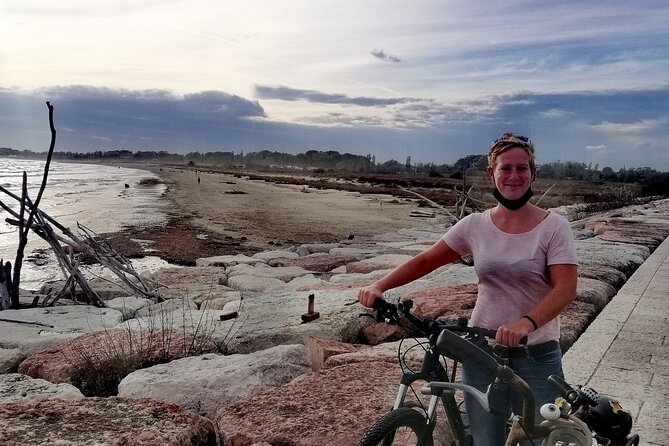
The tour then brings you to Grand Hotel des Bains, a former luxury hotel built in 1900. It’s remembered for Thomas Mann’s stay in 1911, plus it’s part of the film-festival imagination thanks to movies connected to Lido’s cinematic aura, including references to Death in Venice and The English Patient.
In practical terms, this stop matters because it gives you the “wow” context before you reach the festival sites. You’ll understand why the island feels like a movie set when you start seeing festival-linked details in the next section.
Right after, you visit Ristorante Mostra del Cinema. The link here is direct: this is where the oldest film festival in the world is held in late August or early September, with screenings in the historic Palazzo del Cinema. The nearby Hotel Excelsior (listed as still running and dated to 1908) is also known for hosting producers and actors during the Festival season.
This combination is strong: hotel glamour plus film-festival specifics. It makes Lido’s famous names feel like part of a system, not random monuments.
Murazzi Free beach and the sea wall engineering you can ride beside
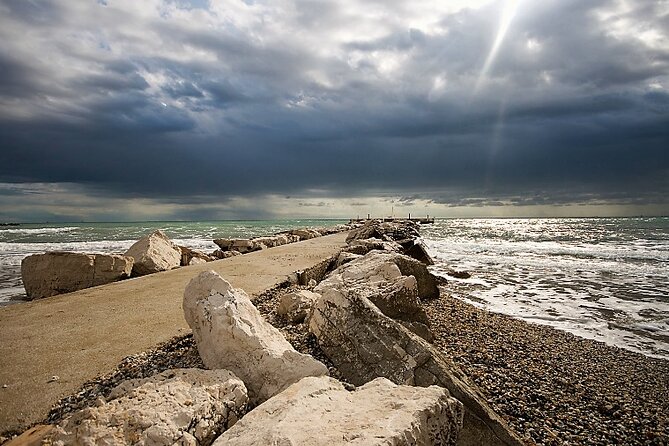
Then the route gets more wild. You bike along Murazzi, a scenic stretch that follows the Adriatic sea and functions like a breakwater. Murazzi is described as a remarkable 18th-century engineering work designed to keep high seas from crashing into the lagoon, and it still works today.
What I like here is that you’re learning something physical. Engineering can be abstract on paper, but on a bike ride you can feel how the structure shapes the shoreline. It’s also a breather between the more “institutional” stops and the lagoon-island storytelling that comes later.
Expect around 15 minutes here. Don’t treat it as a long beach lounge stop. Treat it as a moving viewpoint with context, where the ride itself is the experience.
Alberoni dunes: the beach side that feels quiet even in Venice season
Next comes L’Oasi delle Dune Alberoni, with a natural beach backed by a maritime pine forest. The dunes slope down to what the tour describes as Lido’s wildest and most scenic beach.
This is the section where you get that quieter Lido feeling. It’s often virtually deserted except for birds and, on windy days, a few kite surfers or windsurfers. That mix of solitude plus occasional action makes it feel less touristy than the main beach areas.
Plan for about 15 minutes. You’ll want shoes that can handle sand and uneven footing, and if you picked a bike with wider tires, this part tends to feel easier under you. You might not have hours here, but you’ll get the sense of why people go early or stay out longer.
And yes, the poetic associations are real: Byron and Shelley get mentioned in the tour framing for the dune vibe. You don’t need to memorize literary trivia. Just know that the place is meant to feel like a different world from central Venice.
Malamocco: the fisherman village feel and the less-overwhelming lagoon town vibe
After the dune beach section, you enter Malamocco, described as a small fisherman village. You cross Ponte di Borgo, then move through canals and calli.
This is the “human scale” part of the route. You get the sense of a working lagoon community, not a curated resort island. It’s also a different kind of Venice resemblance: smaller, calmer, and easier to digest than what you see on crowded Venice streets.
The stop is about 15 minutes, so you’re not shopping or lingering all day. You’re gathering impressions and learning how Lido’s communities connect to the lagoon network.
Poveglia and the Lazzaretto sites: quarantine, mental health, and the stories people repeat
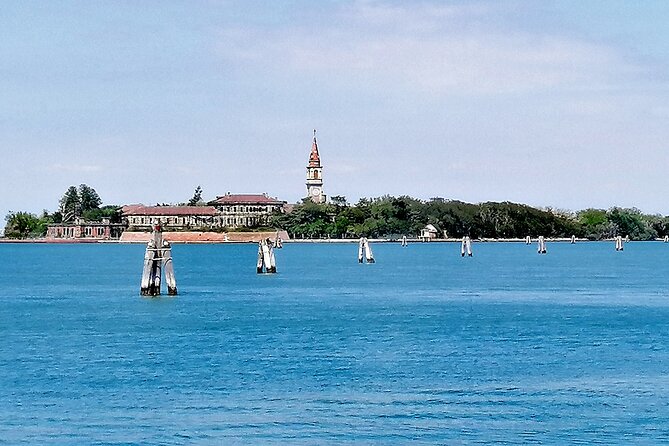
Then the tour shifts to islands most visitors only hear about from legends. First is Poveglia. The route includes views of Lazzaretto Vecchio from the lagoon side of the island.
Poveglia is described as a quarantine station starting in 1776 for plague and other diseases. Later, it became a mental hospital, closed in 1968. Because of that, the island is frequently featured on paranormal shows.
Even if you’re skeptical about ghost stories, the guided framing is useful. It helps you understand why the island became a magnet for rumor and how its role in public health changed over time. It’s not presented like a scary movie. It’s presented like a place with a documented function, followed by the modern cultural echo.
Next is Lazzaretto Vecchio itself. It housed a hospital from 1403 to 1630, caring for people during plague epidemics and functioning as a leprosarium. Later it became a military post.
Then you move to San Lazzaro degli Armeni, an Armenian Catholic monastery area on its own island. The tour says the Mekhitarists have been there since 1717.
A key practical point: these are shorter stops (about 15 minutes each), so you get a “guided orientation,” not a full historical lecture. That’s actually good. You’ll leave with clear names and a story arc, then you can decide if you want to go deeper on your own later.
Grande Albergo Ausonia Hungaria: early 1900s luxury seen up close
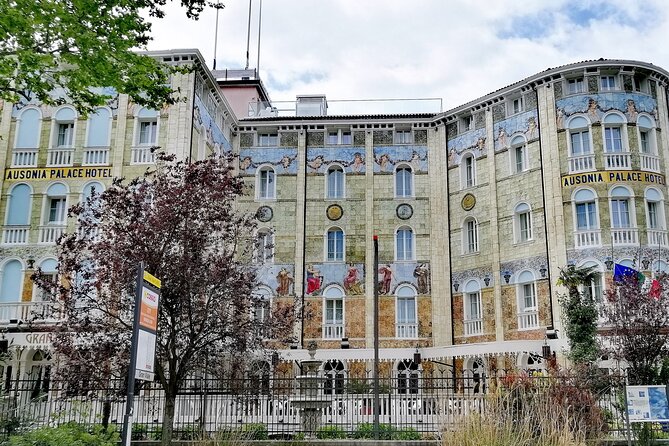
Near the end, you visit Grande Albergo Ausonia Hungaria (Hotel Ausonia & Hungaria), dated 1913. It’s described as another example of luxury tourism from a century ago, and it stands out for the ceramic tiles on the main facade, recently renovated.
This stop works because it ties the island’s past into the present. After learning about cemeteries, maritime ceremonies, engineering, quarantine islands, and film links, the hotel stop becomes a final “Venice in miniature” reminder. Lido has layers. It can be quiet and it can be glamorous, often in the same line of sight.
The stop is short (about 15 minutes), so keep your attention on details you can actually see: the facade materials, the style, and why a hotel like this fit the island’s evolution into a visitor destination.
Price and value: what you’re paying for at $203.50 per person
At $203.50 per person, this is not a budget bike rental with a map. You’re paying for the tour leader and interpretive guide, plus the fact that bike rental organization happens for you, meaning you’re not wasting vacation time on logistics.
The value really comes from three places:
- Efficiency: in a single half-day you cover both beach and lagoon-island viewpoints, plus multiple heritage and film-linked stops.
- Guided meaning: you don’t just see the names, you understand why they connect, like how film-era hotels relate to festival filming and why certain lagoon sites became the public health story people still reference.
- Small-group feel: max 10 travelers, which makes it easier to ask questions and adjust pace without feeling like a moving cattle line.
You also get booking support and a mobile ticket, and it’s offered in English.
One more factor: this tour is booked on average 244 days in advance. That’s a strong signal it sells through in peak planning season. If your dates are fixed, I’d plan ahead rather than hoping.
Pace and bike comfort: what you should consider before you commit
The ride is described as involving shortcuts through forest reserves and by canals, plus coastal stretches and a breakwater-style route. That mix is the point, but it also means conditions can vary.
A couple of practical tips from past experience with this route:
- If you’re sensitive to rough ground, consider choosing the fat bike or another wider-tire option.
- If the route includes sandy patches, expect to occasionally slow down or hop off briefly if needed. One group specifically noted they walked bikes over sandier sections.
The good news is that the tour is designed for moderate physical fitness. This is not an all-day endurance event. It’s a guided ride that keeps you moving while still giving enough time at key stops.
Who this tour suits best (and who might want something else)
I think this is a great match if you want:
- A way to see Lido without fighting Venice crowds
- Film-festival sights plus quiet heritage and lagoon-island stories
- A half-day bike tour that feels like a guided walk, just with wheels
It may not be the best fit if:
- You want long beach time without stops
- You hate uneven surfaces and don’t want to consider a wider-tire bike option
- You expect detailed interior access at every stop. Many stops are viewpoint-and-context style, with shorter time windows.
Should you book the Lido Bike Tour with Valerio?
If you want Lido to feel like a real, navigable place rather than a collection of scattered landmarks, I’d book it. The best part is the balance: cinema-linked Venice glamour sits next to quieter stops like the Jewish cemetery and the Armenian monastery island, and then you get beach and engineering along the way.
Book this tour if you value interpretation and efficiency, and if you’re open to a few slightly rough or sandy sections. If that’s your concern, you can manage it by choosing a fat bike or e-fat bike option for extra comfort.
Just plan ahead, pick the bike type that matches your comfort, and bring a curious mindset. Lido rewards that combination fast.
FAQ
How long is the Lido bike tour?
It runs about 4 hours 30 minutes (approx.). The itinerary is paced with short stops for each viewpoint or site.
Where does the tour start?
The tour meets at Santa Maria Elisabetta, 30126 Venice on Lido. It ends back at the same meeting point.
Is the tour in English?
Yes. The tour is offered in English.
What is the group size?
The tour has a maximum of 10 travelers.
What bike options are available, and is the bike included?
You choose the bike type. The bike use itself is not included in the tour price, but bike rental is organized for you. Listed bike options and prices include city bike (10 €), tandem (20 €), e-bike (20 €), fat bike (18 €), and e-fat bike (30 €).
What does the tour include?
It includes a nature and interpretive guide, plus a tour leader. It also includes organization and booking of rental bikes if needed.
What level of fitness is required?
The tour calls for moderate physical fitness.
Does the tour require good weather?
Yes. The experience requires good weather, and if it’s canceled due to poor weather, you’ll be offered a different date or a full refund.
What’s the cancellation window?
There is free cancellation, with full refund if you cancel at least 24 hours before the start time.
Lately added around Venice

Cycling Tours, compared.

Sant’Erasmo Bike Tour in Venice’s Green Island
Read our review →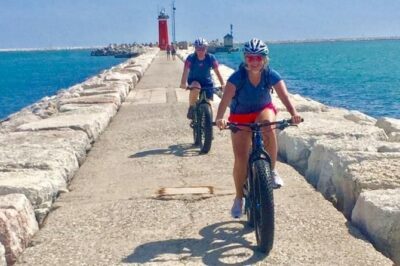
Lio Piccolo: Flamingos & Birdwatching Bike Tour in the Lagoon
Read our review →
Bike & Palladian Villas: Scenic Ride Along the Brenta from Venice
Read our review →Browse the lists this tour appears in