
Reviewed · HIDDEN GEMS & BACKSTREET TOURS
Venice: Secret City Gardens Walking Tour
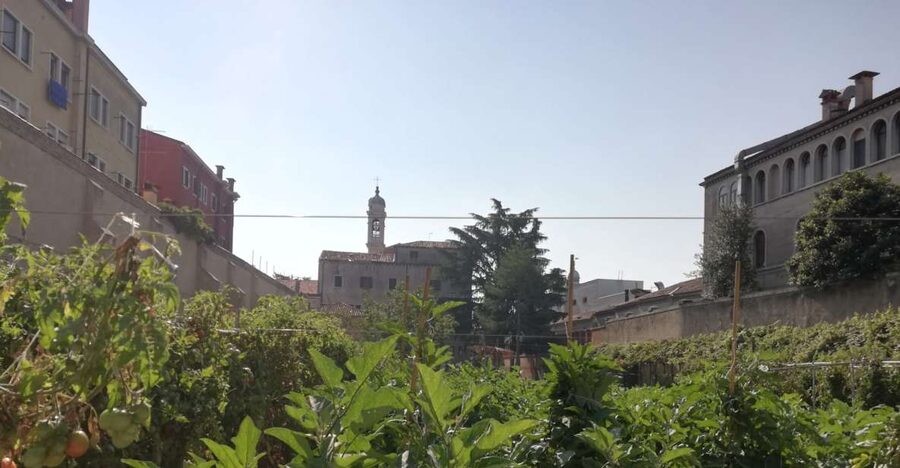
Venice is all canals and crowds, until it isn’t. This secret gardens walking tour turns the spotlight on the city’s green spaces hidden behind walls, terraces, and elegant palazzos. You walk a quieter side of Venice where plants do the talking.
I especially love the sensory part. You get hit with the scent of flowers, fruit trees, and medicinal plants, and it changes how you experience the city. I also like how the gardens vary, from private villa grounds to a public park stop, so you see different kinds of Venetian “green” in one morning or afternoon.
One drawback to weigh is pacing and footing. This is a walking tour that runs rain or shine, and it is not suitable for wheelchair users or people with mobility impairments, so you need to be comfortable with uneven garden paths and tight routes.
In This Review
- Key highlights you will feel right away
- A different Venice, measured in plants not bridges
- Price and value for a $93, 2-hour garden ticket
- Where you meet and how the tour flows
- Cannareggio energy, quieter streets, and family hangouts
- Renaissance villa vibes and an in-nature theatre moment
- A terrace garden run by a nunnery, plus a lagoon view
- The nursery stop: where balcony color starts
- Medicinal plants, fruit trees, and sensory garden storytelling
- Shade, summer comfort, and what to bring
- What kind of group and guide experience you should expect
- Should you book the Venice Secret City Gardens Walking Tour?
Key highlights you will feel right away
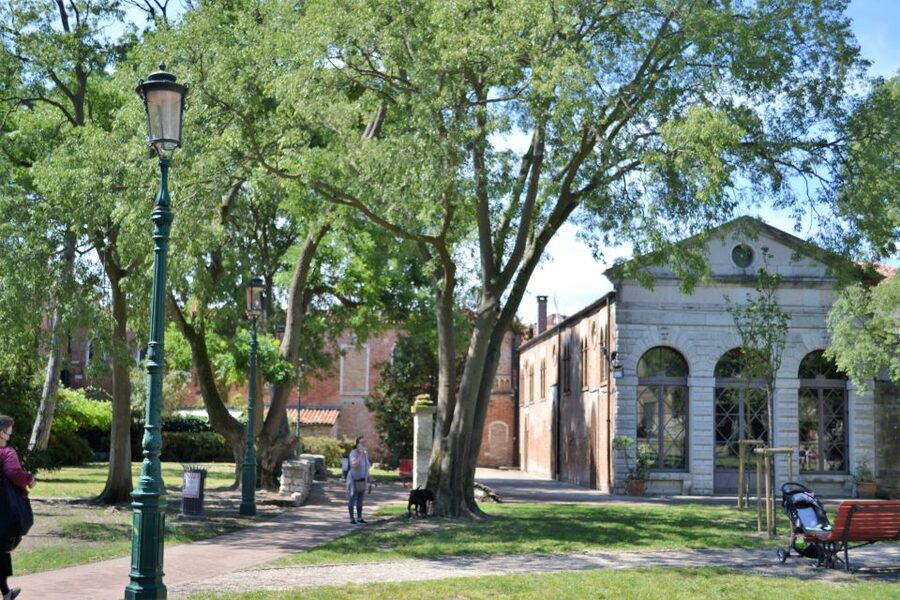
- Behind-the-wall garden access that most people never see from the street
- Lagoon views from a terrace garden connected to a nunnery
- A local flower nursery where Venetians buy plants like cyclamens and geraniums for balcony color
- Medicinal plants and fruit trees for a Venice that smells like a pharmacy and a fruit stand
- An in-nature theatre and other lesser-known spaces that add surprise
- Shade for much of the walk, which helps in warmer months
Other walks through the quieter calli:



A different Venice, measured in plants not bridges
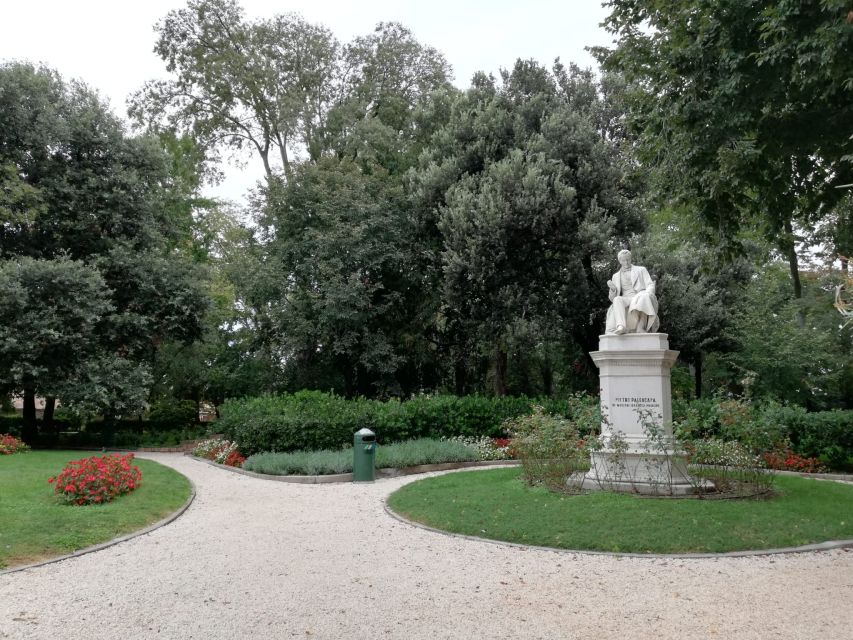
Venice is famous for water, but it is also famous for green. One fun way to think about it is that the city’s gardens and green spaces add up to something like a second city, one that’s easier to miss than a bridge. This tour leans hard into that reality by taking you behind facades and high walls, then letting you experience the calm that happens once you step through.
You will spend about two hours walking at a neighborhood pace, with a guide who focuses on stories you can’t pick up from a quick photo stop. The result is simple: you stop seeing Venice as just lanes and landmarks, and you start noticing courtyards, terraces, planting beds, and the way plants shape everyday life.
And the atmosphere matters. Even the walk itself feels different when you are constantly smelling flowers and herbs instead of only salt air and canal water. The tour is built around that feeling, and it makes the city feel less scripted.
Price and value for a $93, 2-hour garden ticket
At $93 per person for a two-hour walking tour, the price is not a bargain deal. It is more like paying for access plus guidance. Here is what you are actually buying.
You get a licensed tour guide, entrance fees to the gardens, and a curated path through multiple garden settings. Entrance fees matter in Venice, because private villa gardens and monastery-like grounds often come with restrictions. This tour also keeps the visit time concentrated, which is ideal when you only have a short window before or after the heavier tourist areas.
Where the value shows most is the guide work. You are not only going from gate to gate. You are getting context on why Venice’s green spaces exist, how they function for residents, and what to look for once you are inside. One visitor especially praised the guide’s selection, noting that several of the gardens are not normally visible to the average tourist, while one stop is a public park.
Possible tradeoff: this is not a long, sit-down garden day. You are walking, and you will see a lot in a short time. If you want slow, solo wandering with no structure, you might prefer a self-guided approach. If you want curated access and an efficient route, this price starts to make sense.
Where you meet and how the tour flows
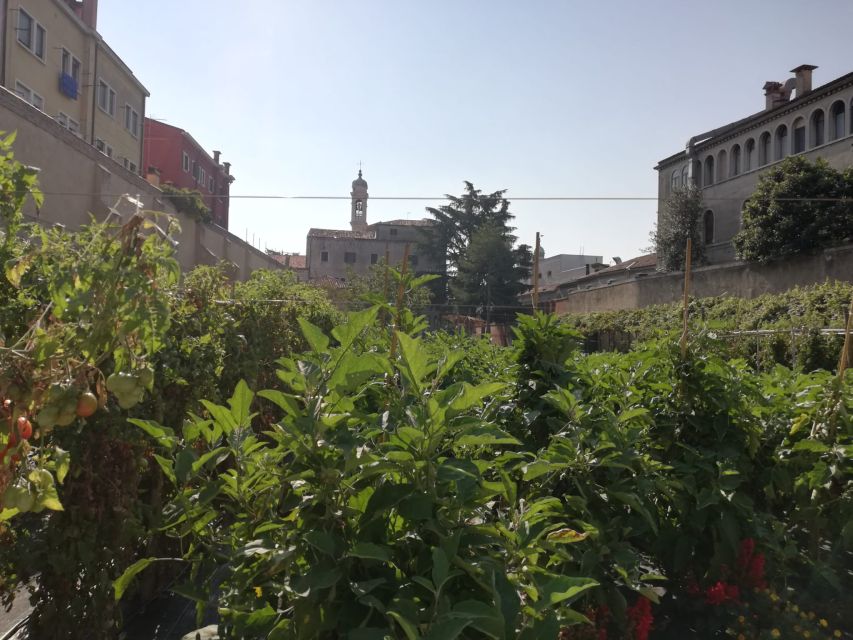
You meet your guide at Fondamenta Gasparo Contarini, near the bridge. That location is useful because it puts you on the water-edge walkway rhythm Venice does best. It also helps you avoid wasting time fighting for a start point inside the maze of streets.
From there, the route typically moves through neighborhoods and green pockets that feel less like a checklist and more like a sequence of “how did I not know this was here?” moments. You’ll pass through areas such as Cannareggio, and you will use those street sections as transitions between garden settings.
The tour generally includes multiple garden spaces in one outing. Based on what you will experience, think of it like four garden stops plus time in public and monastery-style grounds. The exact mix can vary, but the theme stays the same: a secret-city walk that ends with you understanding why Venice’s gardens matter.
Practical note: this is a walking tour, and it takes place rain or shine. Bring shoes you can trust on garden paths and slick stones.
More sestieri crossed bridge by bridge:
- Venice: Doge’s Palace and St Mark’s Basilica Walking Tour
★ 4.4 · 6,291 reviews - Venice: San Marco to Rialto Walk & Spritz Like a Local
★ 4.2 · 3,651 reviews - Venice Walking Tour and Gondola Ride
★ 3.5 · 3,630 reviews - Private 3 hrs Venice Tour: St Mark’s, Walking tour & Boat tour
★ 4.0 · 3,372 reviews - Venice: City Center Historical Guided Walking Tour
★ 4.2 · 1,873 reviews
Cannareggio energy, quieter streets, and family hangouts
Before you reach the garden entrances, you get useful street context. One of the best parts is moving through everyday Venice instead of only tourism corridors. The tour passes through Cannareggio, where you can catch the feel of locals out with their families, not just visitors lining up for the next photo.
That street time is not filler. It helps you understand the gardens as part of how Venetians live. Gardens here are not just scenic decorations. They are spaces for comfort, shade, scent, and privacy, tucked into a city built on water and stone.
You also learn to pay attention to what you see outside the garden walls. Even when you are walking past facades, the guide points out details that connect to what you later experience inside: terrace layouts, planting styles, and how private spaces are protected.
Renaissance villa vibes and an in-nature theatre moment
One of the surprises on this tour is that the green side of Venice includes history with a pulse. You will pass by a Renaissance villa, and the garden setting connected to it gives you a different frame than the usual Venice narrative.
Then comes the more unusual setting: an in-nature theatre. It is the kind of place you’d miss if you only chase canals and major squares. On a guided tour, it works because you are not just staring at greenery. You get help reading the space, noticing how the natural layout supports quiet viewing and seating.
This stop also shows why the tour earns its secret-city label. Venice isn’t only a backdrop for art and architecture. It is also a stage built into gardens, where nature is part of the design.
If you dislike unexpected transitions, you might find these varied settings a bit jolting. But if you enjoy variety, this section is a highlight because it changes what “a garden tour” can be.
A terrace garden run by a nunnery, plus a lagoon view
Some tours give you plants. This one gives you perspective.
One of the standout experiences is a terrace garden run by a nunnery, where you get a view over the lagoon. That matters, because it connects the calm of the garden to Venice’s main character, the water. You feel the scale of the city differently once your garden includes an open horizon.
This is also where the tour’s mood shifts from “quiet curiosity” to “wow, this is Venice.” The terrace setting tends to slow people down, and it gives your eyes a place to rest between garden scenes.
If you are photo-minded, plan to spend a few extra seconds looking, not only shooting. The best views here are the ones you notice with your head up, then you return to the flowers and herbs once the skyline settles back into the background.
The nursery stop: where balcony color starts
If you care about details, this tour has one you’ll remember. You visit a nursery where locals buy plants for their balconies, including cyclamens and geraniums. It is practical, colorful information you can carry home.
This stop makes the gardens feel real. Balcony plants are not a trend here. They are a Venetian rhythm. By the time you reach this part of the tour, you already smelled fruit trees and medicinal plants, so the nursery feels like the “source” behind the beauty.
Even if you do not plan to garden at home, you will learn what kinds of plants thrive in this environment and why residents choose the colors they choose. It is the difference between seeing ornament and understanding function.
Also, it helps that the nursery is not just a quick look. It is integrated into the route, so it lands right when your garden curiosity is at its peak.
Medicinal plants, fruit trees, and sensory garden storytelling
One of the most praised aspects is the way the guide builds stories around what you can smell and see. Expect the aroma of flowers, fruit trees, and medicinal plants. That smell is doing more than impressing you. It makes the tour educational in a way that photos can’t.
Venice’s gardens are often planted for layered reasons. You can experience them as beauty, privacy, and calm, but you can also read them as a practical resource. Medicinal plants bring an unexpected angle to the day, and fruit trees add a sense of seasonal living.
You might also notice that the gardens sometimes include contemporary art placed in a garden atmosphere. That contrast sounds strange until you see it, because it highlights how Venetian gardens can be both old and alive, traditional and current.
If you prefer strict facts and dates only, this sensory storytelling might feel more emotional than academic. But if you like tours that change how you perceive a place, this is a strong match.
Shade, summer comfort, and what to bring
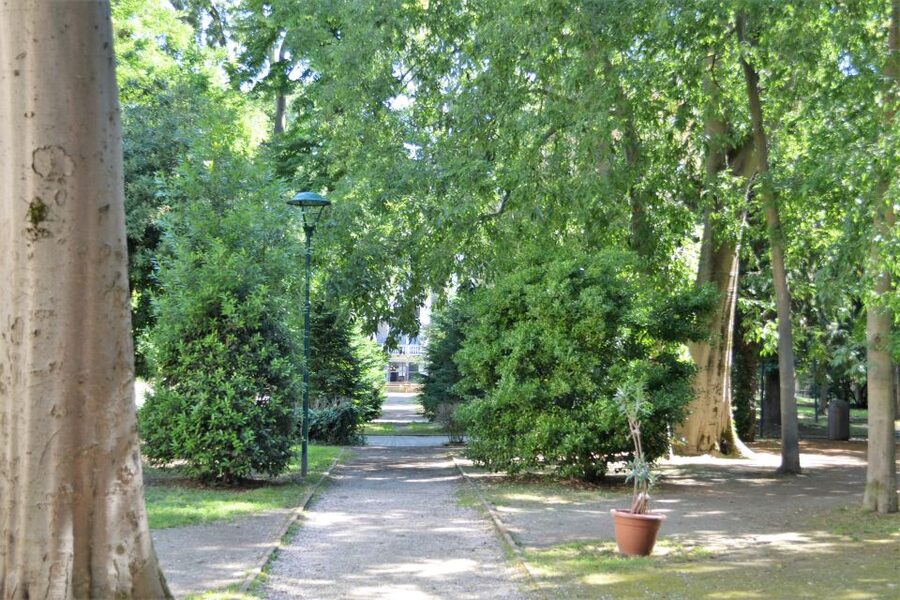
One reason this tour works in warmer months is that a lot of the garden time is shaded. You can expect shade for the majority of the walk, with a few stretches between stops where the sun can hit.
That affects your packing choices. Bring water, a hat, and something light for your shoulders if you burn easily. If you visit in shoulder season, also plan for wet conditions since it runs rain or shine.
Because you are walking through gardens and courtyards, comfortable shoes matter more than you think. You will be on your feet for two hours, and garden routes can involve steps or uneven surfaces.
What kind of group and guide experience you should expect
This tour supports private or small groups, which is a big deal if you want more back-and-forth instead of only one-way storytelling. A smaller group also tends to make it easier to pace yourself between entrances.
The guide for this experience is connected with deTourist, and in the real world you may meet Valerio Coppo. Multiple people praised the guide’s enthusiasm and garden knowledge, with one visitor specifically calling out the guide’s ability to connect each garden to a clear story.
One caution: in any guided walk, pace depends on the group and the guide’s attention. One account mentioned the guide walking ahead and using a phone, which can feel disrespectful if you are moving slower. You can reduce that risk by setting expectations early, especially if you prefer a steady rhythm or if you need extra time near entrances.
Should you book the Venice Secret City Gardens Walking Tour?
Book it if you want Venice without the usual crowd pressure. This is an excellent choice for first-timers who already know the basics and want a second, calmer Venice, one you can smell and see up close.
Also book if you like gardens as more than decoration. You will get terrace views, nunnery-run calm, a nursery stop tied to real daily life, and sensory stories around medicinal plants and fruit trees.
Skip it if you want full mobility access or lots of free time to wander slowly on your own. This is a structured walking tour, and it runs on a schedule that includes transfers between gardens.
If you fall into the first category, the $93 ticket starts to feel fair because you are paying for entrance access plus a guide who makes the city’s green side make sense fast.
Lately added around Venice




Hidden Gems & Backstreet Tours, compared.




Venice Private Gondola Ride: Explore Hidden Canals and Sights
Read our review →


Venice 3,5 hrs tour: Doge’s Palace, St Mark’s and Hidden Gems
Read our review →
Private Secret Venice Tour; Rialto Market, San Polo & Food and Wine tasting
Read our review →Browse the lists this tour appears in